
The Story
Why it exists.
The beginning
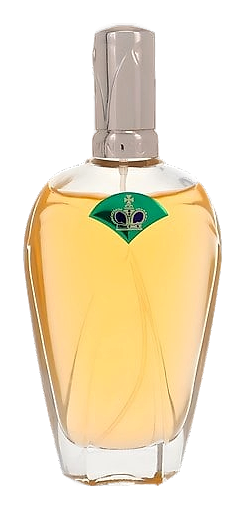
Wind Song arrived in 1953, created by Ernest Shiftan of IFF and Léon Hardy. The top notes, tarragon, coriander, citrus oils, arrive with an aromatic, almost green quality that feels both herbal and alive. The coriander brings a warm, slightly citrusy edge while the tarragon adds something almost anise-like, giving the opening its distinctive character. Then the citrus recedes and the florals begin their slow work: rose, jasmine, ylang-ylang. The ylang-ylang in particular contributes a rich, almost tropical sweetness that balances the cooler opening notes. It's a composition built for someone who wanted elegance without announcement, warmth without sweetness, something that felt like it had been around for a while and would stay around.
The top notes bring an aromatic, almost green quality to the opening, less straightforward citrus, more herb. It's what gives the fragrance its initial character and makes the transition into the heart feel earned. The heart unfolds with carnation and clove for warmth, rose and jasmine for richness, Brazilian rosewood and orris root adding a powdery depth that keeps everything from tipping into sweetness.
The evolution
The opening hits with tarragon and coriander, green, herbal, a little unexpected. Coriander has that warm, slightly citrusy edge while tarragon brings something almost anise-like. The citrus oils follow: bergamot, mandarin, the neroli and orange leaf pushing through. That initial phase is the fragrance showing its hand, bold in the way it announces itself before settling. The heart builds slowly. Carnation and clove warm the composition, and the florals arrive gradually, rose first, then jasmine, then ylang-ylang with its rich, almost tropical sweetness. The Brazilian rosewood adds a creamy woody quality beneath. This is the longest phase, a sustained period of warm florals that feel neither dated nor particularly modern, simply timeless in their balance. The drydown arrives quietly. Sandalwood and amber, benzoin adding a faint vanillic warmth.
Cultural impact
Wind Song has spent over seven decades in continuous production, unusual for any fragrance. Its aromatic top notes, warm floral heart, and powdery drydown have aged into something that reads as timeless rather than dated, provided you come to it without expecting something loud. It's the fragrance people describe when they talk about scent memories: a grandmother's vanity, a specific afternoon in spring, something that smelled like home. That staying power isn't marketing. It's just longevity in the truest sense. The composition works because it doesn't try to be everything at once. It opens, it evolves, it settles, and it stays.