The Story
Why it exists.
The beginning
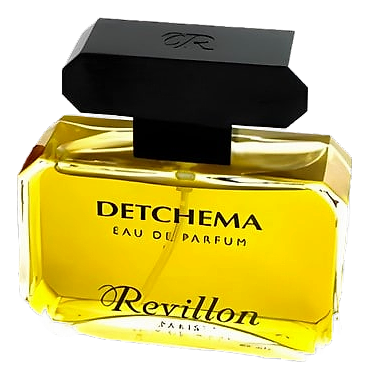
In 1953, IFF composed Detchema for Revillon, a French house built on fur craftsmanship and rare materials. The name itself suggests refinement without excess, the kind of luxury that wraps rather than announces. This was an era when aldehydic florals defined Parisian elegance, and Detchema found its place among them: sophisticated, structured, unmistakably French. The brief was clear: quality ingredients, classical construction, no compromise. What emerged was a fragrance that smelled like inheritance, not a trend, but a tradition.
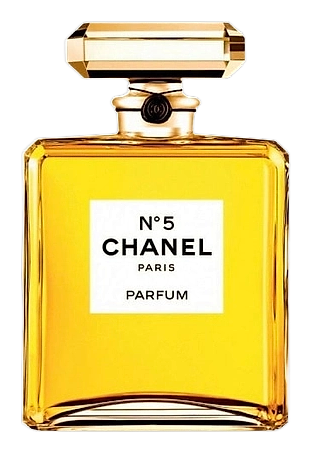
What sets Detchema apart is its balance. The aldehydic structure echoes No. 5, but the execution diverges meaningfully. Less orris, less musk. More hyacinth, more green. The Bulgarian rose and Grasse jasmine don't overwhelm, they layer into a cool, powdery floral that gains intimacy as it develops. Tibetan musk and Peruvian ambrette seed add depth without weight, while Sumatran benzoin and tonka bean provide warmth that stays close to the skin. It's a composition that rewards patience, the kind that reveals itself gradually, never announcing, always present.
The evolution
The opening is immediate: aldehydes at their most characteristic, bright and waxy with a citrus lift from bergamot and neroli. Hyacinth arrives within minutes, green, watery, almost stemmy. The transition to the heart is gradual, Bulgarian rose and Grasse jasmine emerging to create a powdery cool floral that doesn't project so much as settle. By the third hour, the base takes over: orris root and sandalwood providing creamy, slightly woody warmth that lingers for 8-10 hours on most skin. The drydown is intimate, almost skin-like, a soft powdery warmth that whispers rather than shouts.
Cultural impact
Detchema has earned a quiet cult following among aldehydic floral enthusiasts. Reviews consistently compare it to No. 5 but note its lighter, more floral character, less orris, more hyacinth. The discontinued status has only deepened its appeal among vintage fragrance collectors. Wearers describe it as the scent of someone who inherited taste, not trends.