



Heritage
A house, in its own words
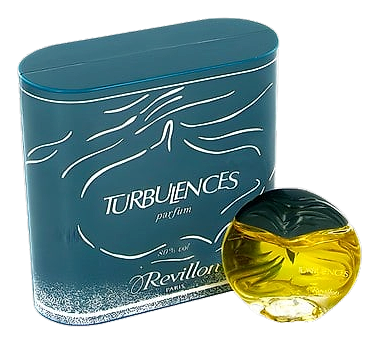
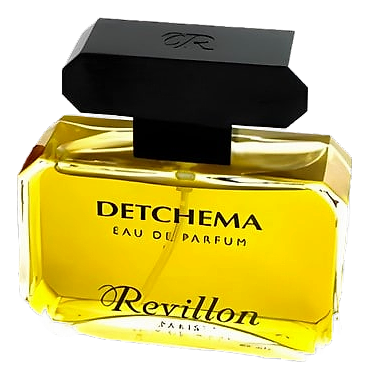
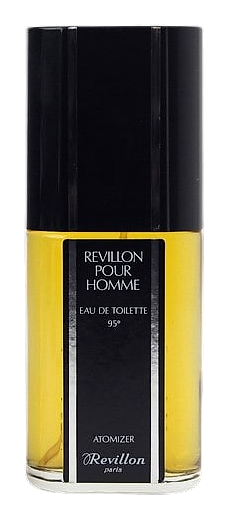
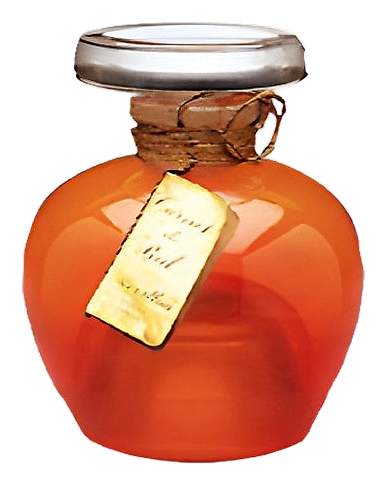
The Revillon fragrance house emerged from a distinguished lineage of Parisian artisans. The company originated as a furrier establishment, a profession that commanded tremendous respect and wealth in early twentieth-century France. Furriers during this era occupied a unique position in the luxury goods sector, dealing in rare materials like sable, ermine, and chinchilla that only the wealthiest clients could afford. This business model required exceptional craftsmanship, meticulous attention to detail, and relationships with elite clientele. Revillon translated these qualities into its fragrance division when it launched its first perfumes. The house's name, Revillon Freres, indicated its origins as a family enterprise, with brothers establishing the business in Paris during a period when the city served as the undisputed capital of luxury and fashion. The timing of the company's expansion into perfumery coincided with a broader trend among established luxury houses diversifying beyond their original crafts. Fashion designers, furriers, jewelers, and silk merchants all recognized that fragrance represented a natural extension of their brand identity. Revillon entered this market with perfumes like Carnet de Bal in 1937, a year when Europe stood on the precipice of dramatic change. The house continued producing fragrances through subsequent decades, releasing notable compositions including Detchema in 1953, Partner in 1960, and Revillon pour Homme in 1977. Each release demonstrated the house's evolving interpretation of luxury and its response to changing tastes in perfumery. Revillon approached perfumery with the same philosophy that governed its work as a furrier: absolute commitment to materials of the highest quality and craftsmanship that permitted no compromise. Where other houses might prioritize innovation or novelty, Revillon consistently emphasized the timeless qualities of well-constructed fragrances built on classical principles. The house believed that exceptional perfume required exceptional ingredients, understanding that the nuanced differences between material grades could mean the distinction between a merely pleasant fragrance and one that truly moved its wearer. This perspective shaped every aspect of the fragrance development process, from initial concept through final formulation. Revillon fragrances tended toward elegance and refinement rather than dramatic statements or attention-grabbing effects. The house preferred compositions that revealed their complexity gradually, rewarding sustained wear with layers of nuance that less carefully constructed perfumes could not achieve. This approach attracted a particular type of customer: someone who valued substance over flash, who understood that true luxury operated through restraint rather than excess. The brand's feminine fragrances explored floral territories with sophistication, while masculine offerings demonstrated that restraint and masculinity could coexist with elegance. Throughout its history, Revillon resisted the temptation to chase passing trends, preferring instead to develop fragrances that would remain relevant and appealing across decades.
