
The Story
Why it exists.
The beginning
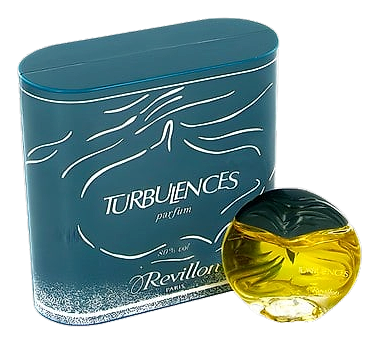
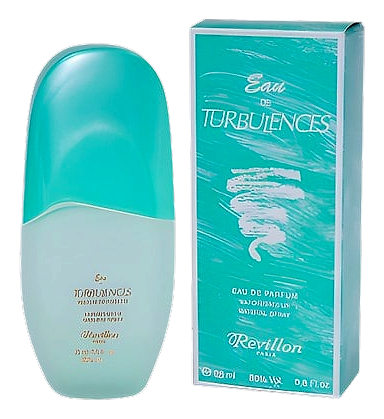
Revillon released Eau de Turbulences in 2003, a year when aquatic notes dominated but rarely ventured into complexity. The name itself, Turbulences, suggests movement, disruption, something breaking the surface. That tension runs through the whole composition. Where other houses reached for the ocean, Revillon reached for a pool at dawn: still, cool, and entirely still.
The key move is the watermelon and violet pairing in the heart. Watermelon is rarely the hero in fine fragrance, it's a fleeting top note at best, gone in minutes. Here, Revillon gave it space, let it breathe alongside water jasmine and a cool green rose. The oakmoss in the base isn't decorative either. It's a statement: we know what came before, and we're not pretending otherwise. This is French perfume thinking at its most deliberate, old materials, new structure.
The evolution
The opening hits bright and immediate, four citruses, loud and brisk. Mandarin orange cuts through first, then lemon, then bergamot's slight bitterness. Within five minutes, the watermelon arrives. Not sweet. Cold. Like water drawn from a deep well. The violet follows, wrapping around it in a soft, powdery embrace that makes the cool note feel deliberate rather than accidental. Blackcurrant adds a faint tartness, keeping the heart from going flat. The transition to drydown takes about two hours, and this is where it gets interesting: the oakmoss wakes up. Green, slightly earthy, it pushes through the floral heart and anchors everything that came before. Vetiver follows. Then sandalwood, soft and warm. Patchouli lingers last, a quiet hum on skin, close and personal. On fabric, the citrus opening stains for an hour. The oakmoss stays for a full day if you're lucky.
Cultural impact
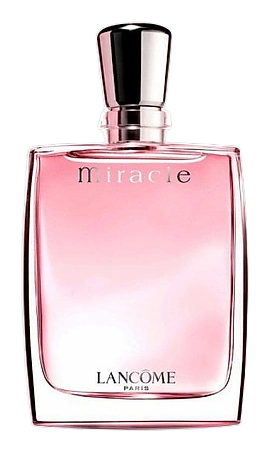
Eau de Turbulences sits in the lineage of French aquatic florals alongside contemporaries like Chanel Coco Mademoiselle and Lancôme Miracle, fragrances that balanced freshness with formality for everyday luxury. What sets it apart is the watermelon-vetiver pairing, an unusual combination that gives it a cooler, greener register than its sweeter peers. It's been discontinued, which tells its own story: the fragrance house that made it for the woman who knew exactly what she wanted.