The Story
Why it exists.
The beginning
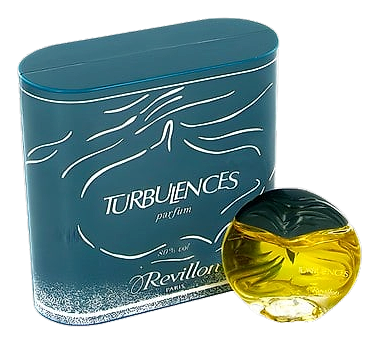
Turbulence suggests instability, motion, the moment before everything shifts. Dragoco, working in 1981, designed this fragrance for a moment in perfumery when the old certainties were giving way. That year sat between the disco excess of the late 1970s and the minimalist early 1980s. A transitional year, in other words. The perfumer built Turbulences around that tension: traditional materials handled in a way that felt urgent and alive. Caraway and mint cut through bergamot in the opening, cold, aromatic, immediately arresting. Then the florals arrive, as if the fragrance remembered where it came from. Tuberose, carnation, rose. Ylang-ylang. The whole vocabulary of classical French perfumery, complicated by black pepper, sage, and nutmeg. Revillon believed exceptional perfume required exceptional ingredients, nothing substituted, nothing minimized. Turbulences was that philosophy pushed toward its edge.
What makes Turbulences unusual is the way it refuses to settle. Most fragrances of this era leaned toward either cool aldehydic florals or warm orientals. Turbulences does both, and the transition is where the interest lives. The green aromatic opening, caraway, mint, green notes, is sharp enough to read as almost masculine. Then the nine-heart notes complicate it: tuberose and rose add sweetness, but nutmeg and black pepper add heat. Carnation contributes a clove-like warmth. Orris root brings powdery violet. Ylang-ylang makes everything creamier. Sage keeps it grounded with an herbal bitterness that refuses to let the florals take over. The base doesn't rescue you from the complexity, it extends it.
The evolution
The opening announces itself immediately. Caraway and mint arrive together, a cold, herbal sensation that feels nothing like the aldehydic softness people expected from 1981 launches. Bergamot flashes bright before the green takes over. For the first thirty minutes, this is an aromatic fragrance: cool, sharp, assertive. The heart materializes slowly, the florals pushing through like flowers in a garden that didn't get the memo about winter. Tuberose leads, creamy and lush, but the other heart notes complicate it. Carnation adds warmth. Black pepper adds bite. Sage and nutmeg arrive together, herbal and spiced. Orris root settles behind everything with a powdery violet presence that prevents the florals from becoming too sweet. This is where the fragrance earns its name, the different elements push against each other, creating tension. The drydown transforms the composition entirely. What remains is the base: sandalwood and cedar, warm and woody. Amber adds softness without sweetness. Vetiver keeps everything slightly earthy, slightly green.
Cultural impact
Turbulences occupies an unusual position: a 1981 release that feels neither like the end of the aldehydic 1970s nor the beginning of the minimalist 1980s. It occupies a middle ground, borrowing from both eras while belonging fully to neither. The green-chypre structure places it in a classical tradition, but the aromatic intensity, the caraway, the mint, the sage, gives it an urgency that feels distinctly of its moment. Wearers who seek it out tend to be those who want something that asks questions rather than providing easy answers. The discontinued status has only intensified its appeal among those who appreciate being slightly off the expected path.