
The Story
Why it exists.
The beginning
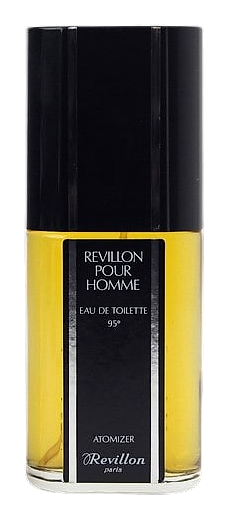
In 1977, Revillon brought the same philosophy to masculine perfumery that had guided its work as a Parisian furrier: no shortcuts, no trend-chasing. Where other houses were pivoting toward synthetics, Revillon pour Homme doubled down on the classical aromatic-fougère structure, herbal top, floral heart, mossy base. The result is a fragrance built on principles, not fashion. It arrived without fanfare and let its construction speak.
The unusual pairing here is warm spice against conifer, carnation and cinnamon softening what could have been an austere pine and rosemary opening. Most 1970s masculine fragrances leaned either green and sharp or warm and resinous. Revillon pour Homme holds both. The oakmoss in the base isn't an afterthought, it's the third act the entire composition is building toward, the reason an 8-10 hour longevity matters. This is fougère as architecture.
The evolution
On skin, Revillon pour Homme opens with a clear, clean herbal burst, rosemary and lavender setting a tone that's medicinal in the best way, the kind of sharpness that focuses the mind. Petitgrain adds a brief citrus-bright flicker before the heart begins its slow arrival. The transition takes twenty minutes: pine needle green deepens, carnation brings its waxy floral warmth, and the cinnamon surfaces as a dry heat rather than a spice spike. The geranium keeps everything grounded in something slightly floral, slightly green. By the third hour, the oakmoss emerges, not the bright kind, the old-earth kind, the one that smells like damp bark and forest floor. Cedar and fir dry out the base, tonka bean adding a whisper of sweetness that keeps the moss from going austere. On fabric, this fragrance will outlast most modern releases. The drydown on skin reaches into evening without drama. Moderate sillage throughout means it stays close, intimate rather than announced.
Cultural impact
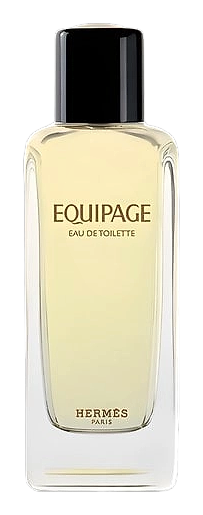
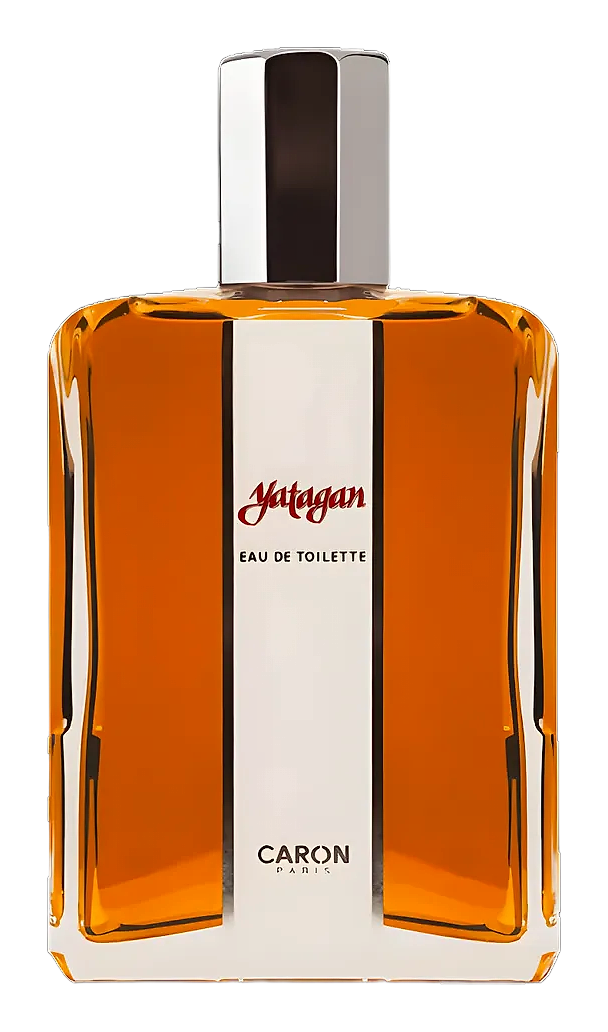
Revillon pour Homme occupies a specific corner of masculine perfumery: the classical fougère that prioritizes construction over trend. It doesn't shout. It holds. Wearers describe it as the scent of someone who walks into a room and doesn't need to announce themselves, the fragrance equivalent of a well-worn leather chair. Comparisons to Hermès Equipage and Caron Yatagan are frequent, placing it squarely in the lineage of French masculine aromatics that reward patience over spectacle. Discontinued, it persists through community loyalty, sought by those who encountered it decades ago and by newer arrivals who appreciate its old-world restraint.