The Story
Why it exists.
The beginning
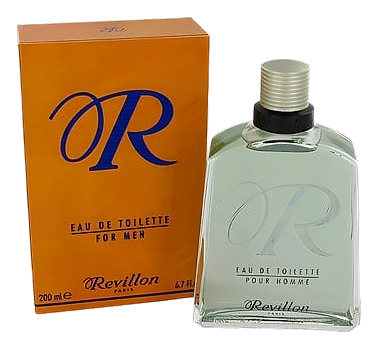
Maurice Roucel designed R in 1995 as a counter-argument to the decade's louder fragrances. Where the 90s were reaching for attention, big Orientalists, aggressive aquatics, Roucel stripped things back. R is one letter. One scent. Built on restraint. Revillon gave him a house that understood the value of understatement, and Roucel gave the house something it hadn't had before: a composition that whispered where everything else was shouting. The name itself says nothing except the brand. No mythology, no story, no concept. Just scent.
What makes R unusual isn't any single note, it's the structural logic. Most aromatic fougères open and stay open, announcing their lavender and cedar in a steady, uniform voice. Roucel built R differently. The opening reads cool and ozonic through violet leaf, almost aqueous, before the herbal core of rosemary and geranium takes over. That's the hand-off: the cool phase yields to something warmer, earthier, without losing the thread of green. It's a composition that changes its mind mid-stream, and most wearers don't notice the switch, they just know it keeps smelling interesting.
The evolution
First hour: violet leaf dominates. Cool, translucent, with a faint mineral edge that reads almost ozonic, the smell of water running over smooth stone. Lavender is present but subordinate, keeping the opening from going soapy. This is not a typical 90s aromatic. It opens like a modern aquatic, except it's not, it's green. By hour two, the rosemary and geranium have arrived. The heart is herbal and slightly warm, with carnation adding a quiet spiced floral note that prevents the whole composition from going flat. Pine needles appear if you lean close. Cinnamon whispers from underneath, not spicy in the way of an Oriental, but a subtle warmth threaded through the green. Hour four onward: cedar takes over. Dry, slightly pencil-shaving in its precision, with moss keeping it grounded. The tonka bean softens the edges just enough to keep it from being austere. Musk stays close to skin. The projection has dropped from moderate to intimate. On fabric, you can find traces the next morning, faint cedar, cool and clean. The drydown is the whole point of wearing this.
Cultural impact
R by Revillon arrived in 1995 as a quiet argument against the sensory overload of its era. The mid-nineties fragrance market was defined by power: blockbuster projections, aquatic mega-hits, and orientals that announced themselves from across a room. Roucel's composition refused that logic entirely. By stripping back to restraint, using violet leaf to inject an almost ozonic coolness into the classic fougère structure, R carved out a space for a different kind of confidence in men's fragrance. It was not a statement piece; it was a position. The fragrance found an audience among wearers who wanted sophistication to be a private matter, and that audience has kept it alive long past its initial commercial cycle.
The House
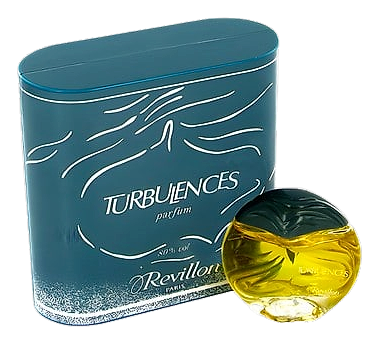
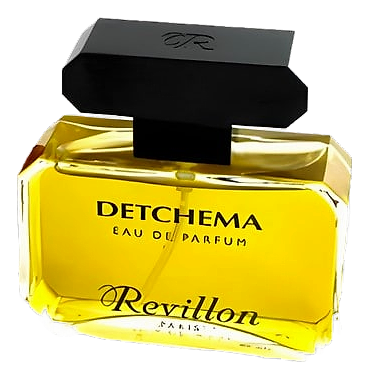
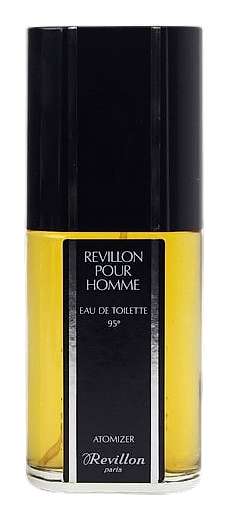
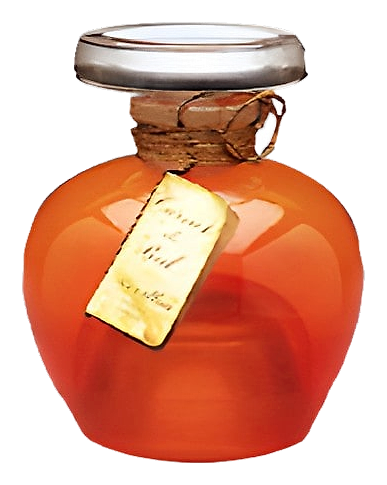
RevillonRevillon stands as one of France's oldest continuously operating fragrance houses, with roots in the Parisian fur trade that stretch back to the early twentieth century. Originally established as a luxury furrier, the house leveraged its expertise in working with rare and precious materials to create perfumes that embodied the same spirit of refinement and craftsmanship. The brand developed a distinctive olfactory identity characterized by sophisticated floral compositions and rich, opulent blends that captured the elegance of Parisian high society. Revillon fragrances such as Carnet de Bal from 1937 and Detchema from 1953 demonstrated the house's ability to translate fashion sensibilities into memorable scent experiences. The brand maintained its position in the French fragrance landscape throughout the latter half of the twentieth century, producing masculine and feminine fragrances that appealed to discerning consumers seeking understated luxury. Today, Revillon represents a heritage house whose perfumes offer a window into the golden age of Parisian perfumery, preserving techniques and aesthetic sensibilities that have largely disappeared from contemporary fragrance production.
The Creator
Maurice RoucelRoucel's style is often described as opulent and sensual. He has a penchant for white flowers, particularly tuberose, which he often uses in rich, heady compositions.