
The Story
Why it exists.
The beginning
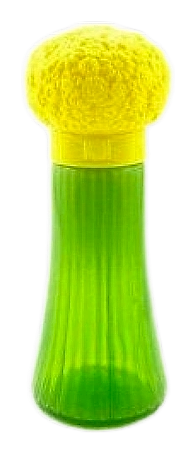
Field Flowers arrived in 1971 as part of Avon's effort to bring fragrance into everyday American life. The brand had built its reputation on accessibility, selling perfume through a network of representatives who brought scent directly to homes. The 1971 launch reflected the era's preference for clean, approachable fragrances, floral notes that felt natural rather than heady, supported by powdery talc and warm solar undertones that gave the scent its subtle depth. It was designed not as an occasion fragrance but as a companion for daily routines, embodying the fresh optimism of early-70s fashion where simplicity signaled sophistication.
Field Flowers was conceived to offer approachable beauty without pretension. The floral opening provides immediate freshness, the talc heart adds that characteristic powdery comfort that the era loved, and the solar notes bring just enough warmth to prevent the scent from feeling clinical. The musk drydown ensures longevity without force, each element chosen for its ability to contribute to an overall feeling of easy, everyday elegance.
The evolution
The fragrance follows a gentle arc from bright florals through talc softness into a clean musk conclusion. Opening with uncomplicated floral notes that feel fresh and immediate, the scent transitions to a heart of powdery talc softened by solar warmth, creating a tender, close quality that feels like morning light on clean sheets. The drydown strips away any remaining brightness, settling into a skin-like musk that lingers with quiet persistence. Each phase builds on the one before it, layering cleanliness upon cleanliness until the fragrance feels less like a perfume and more like a state of being well-groomed.
Cultural impact
When Field Flowers debuted in 1971, it arrived at a moment when the perfume industry was embracing synthetic aldehydes and powdery florals, reflecting the era’s fascination with modern laboratory aromas. Its clean, talc‑soft heart resonated with the youthful optimism of the early 70s, becoming a staple in suburban households and influencing a wave of similarly styled fragrances. Over the decades, the scent has been referenced in vintage fashion spreads and remains a nostalgic touchstone for collectors who appreciate its understated elegance, illustrating how a single Avon launch can echo through cultural memory and inspire contemporary reinterpretations of classic powdery accords.