The Story
Why it exists.
The beginning
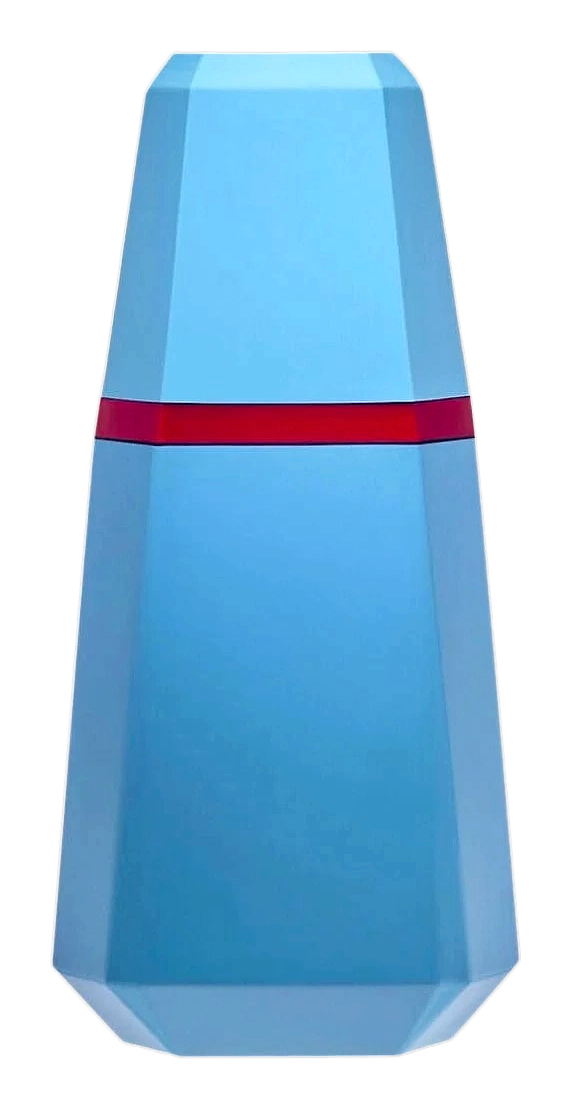
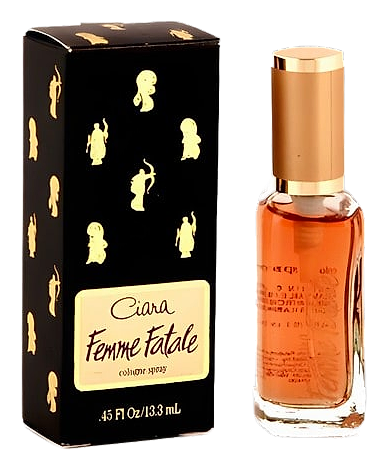
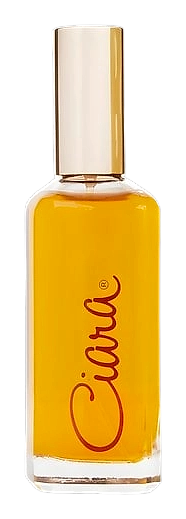
Ciara arrived in 1973, a bold oriental parfum with a full-bodied amber, incense, and balsam composition. The name itself signals intent, a declaration of presence. Built as a fragrance that announces itself, Ciara delivers depth and longevity through its layered structure. The amber notes provide warmth and richness, while incense adds an aromatic, smoky quality that brings complexity. Balsam contributes a resinous sweetness that rounds out the composition, creating a scent with a strong, assertive character.
The pyramid structure is unusual. Bright citrus and fruity notes open the composition, but the heart, iris, jasmine, ylang-ylang, carries unexpected weight. And the base is where it gets serious: frankincense, opoponax, leather, and vanilla create a drydown that feels less like perfume and more like a second skin. The contrast between the bright opening and the resinous foundation is what defines it. It moves from cheerful to contemplative while maintaining its character throughout.
The evolution
The opening hits bright and cheerful, bergamot, neroli, and lemon arrive together, raspberry adding a fruity whisper. Within the first hour, citrus begins to fade as jasmine takes prominence, growing heavier and warmer. The drydown is where Ciara earns its reputation: leather, vanilla, frankincense, and cedar settle close to the skin and stay there. Community ratings put longevity at eight to ten hours on most skin types. The sillage begins strong but becomes intimate, the kind of presence that people notice when you're already gone.
Cultural impact
Ciara appeals to those seeking a fragrance with a distinct character. Its projection and lasting power set it apart from lighter options. The warm amber, incense, and vanilla combination creates a substantial presence. Those who encountered it in the 1970s remember it as a standout of that era. Now discontinued, it has attracted collectors of vintage fragrances drawn to its particular boldness.
The House
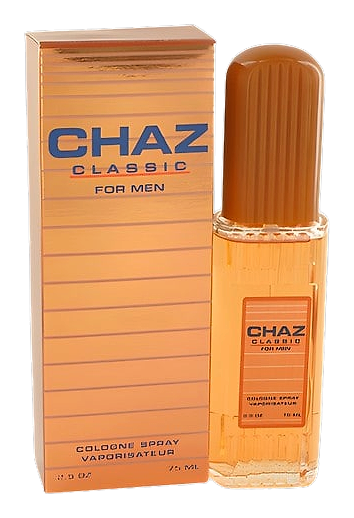
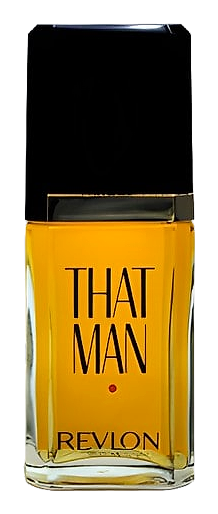
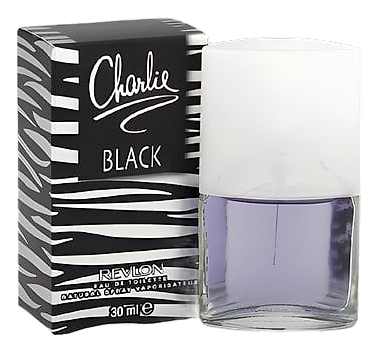
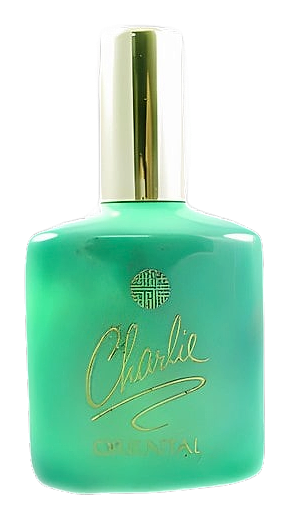
RevlonRevlon entered the fragrance market with a philosophy rooted in demographic intuition. While the brand built its empire on color cosmetics, it approached scent as an extension of its identity: accessible, bold, and responsive to shifting social moments. Fragrances like Charlie Oriental (1988) and Charlie Naturals Fresh Flowers (1986) brought Western consumers into conversation with East Asian olfactory traditions at a time when cross-cultural beauty exchanges had barely begun. The revlon fragrance catalog spans five decades, from That Man (1958) to Ciara Femme Fatale (1995), and includes oriented options like Xia Xiang (1987) and the musk-forward Charlie Naturals Rare Musk (1986). The breadth of this catalog suggests a company that treated fragrance not as prestige theater but as ongoing cultural dialogue. Revlon's fragrance division operated within a global beauty enterprise headquartered in New York, leveraging mass-market distribution to reach consumers far beyond the boutique counters. This accessibility shaped both the brand's limitations and its cultural reach.
The Creator
Harry CutlerCutler's documented style centers on Chypre architecture, particularly the darker woodland materials that define the genre. His work with labdanum, oakmoss, and the resinous triad common to 1970s American perfumery suggests predilection for warm, grounding accords over bright,…