
The Story
Why it exists.
The beginning
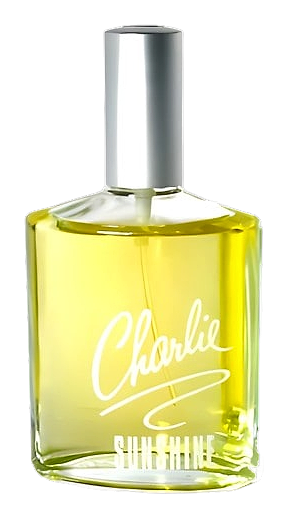
Charlie Sunshine arrived in 1997 as part of Revlon's longest-running fragrance lineage, the Charlie series, which had been redefining what women's scent could be. The earlier Charlie flankers explored various directions, but Charlie Sunshine stripped everything back to something elemental: a bright, clean citrus character that reads as pure sunshine. The fragrance seems to ask: what does optimism smell like when you stop trying so hard? Revlon's approach asked what women wanted rather than telling them what they should smell like. Charlie Sunshine answered with brightness itself, a fragrance that smelled like heading out the door on a clear morning.
The structure is deliberate in its directness. Six top notes, mandarin, bergamot, grapefruit, lemon, pear, green notes, suggest chaos, but they resolve into something clean rather than cluttered. The green notes are the quiet genius here: they keep the citrus from becoming saccharine and give the opening a vegetal edge that reads as freshness rather than sweetness. The heart of freesia, rose, and violet is light enough not to compete, and the sandalwood-amber-musk base grounds everything without weighing it down.
The evolution
The opening is all speed. Mandarin, bergamot, grapefruit, lemon, six notes arriving at once, and somehow it reads as one bright chord rather than a pileup. The pear sneaks in to soften the citrus edges, and the green notes keep everything tethered to something real. By the time you hit the first hour, the freesia and violet have started to rise through the citrus, adding a powdery floral layer that shifts the fragrance from energetic to approachable. The sandalwood doesn't announce itself, it settles underneath like a foundation, adding warmth without weight. As the hours pass, the musk and amber have taken over, and what started as pure sunshine has become something skin-close and quiet.
Cultural impact
Charlie Sunshine exists in a specific cultural moment, late-90s optimism before the internet changed how fragrance got discovered and discussed. It wasn't trying to compete with niche or luxury; it was designed for the woman who wanted to smell good without ceremony. The Charlie line had already proven that mass-market could have personality, and Charlie Sunshine leaned into that identity rather than apologizing for it. It's the kind of fragrance people remember wearing on summer vacations or first jobs, scents that don't announce themselves but get noticed anyway.