The Story
Why it exists.
The beginning
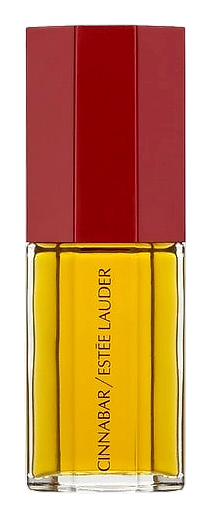
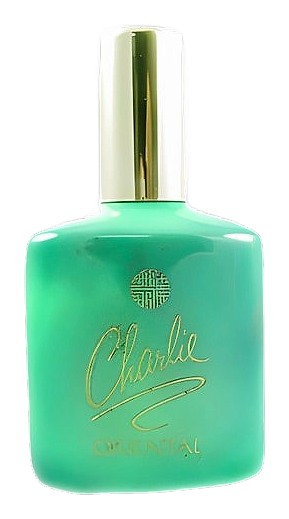
Charlie Oriental arrived in 1988 as Revlon extended the Charlie franchise, a line built on confident, self-assertive femininity, into the world of bold Oriental fragrance. By then, YSL Opium and Estée Lauder Cinnabar had already staked out the territory of spicy, statement-making Orientals. Revlon's move was strategic and culturally attuned: the Western fascination with East Asian aesthetics was peaking, and Charlie Oriental brought that conversation to a mass-market audience. It wasn't subtle. It wasn't trying to be. The name said it all.
What sets Charlie Oriental apart from its contemporaries is its refusal to soften the spice. While some Orientals treated clove and cinnamon as accent notes, here they dominate the opening and hold through much of the wear. The floral heart, hyacinth, violet, lily, arrives like a concession, but it doesn't apologize for the richness that came before. Patchouli anchors the base, giving the florals something to settle into. The result is a fragrance with a clear arc and a distinct point of view.
The evolution
The opening hits with real force. Cinnamon and clove dominate, sharp, warm, almost aggressive. This phase lasts longer than expected, easily 20-30 minutes before the florals begin their slow emergence. Hyacinth and violet arrive quietly at first, then assert themselves alongside the lingering spice. The woody patchouli enters around the hour mark, tempering the sweetness and adding depth. By the second hour, the composition settles into something warmer and more intimate, the drydown that stays close to skin, present but no longer announcing itself. Patchouli and Oriental notes carry the final hours, leaving a faint warmth on fabric the next morning.
Cultural impact
Charlie Oriental landed in 1988, late in the spicy oriental moment that YSL Opium (1977) and Estée Lauder Cinnabar (1977) had defined. By then, the trend was cooling, but for those who wanted that bold, unapologetic presence, the timing barely mattered. The fragrance brought the vocabulary of luxury Orientals to a wider audience, answering a question Revlon had been asking since 1932: what do women want? They wanted options. Charlie Oriental was one.