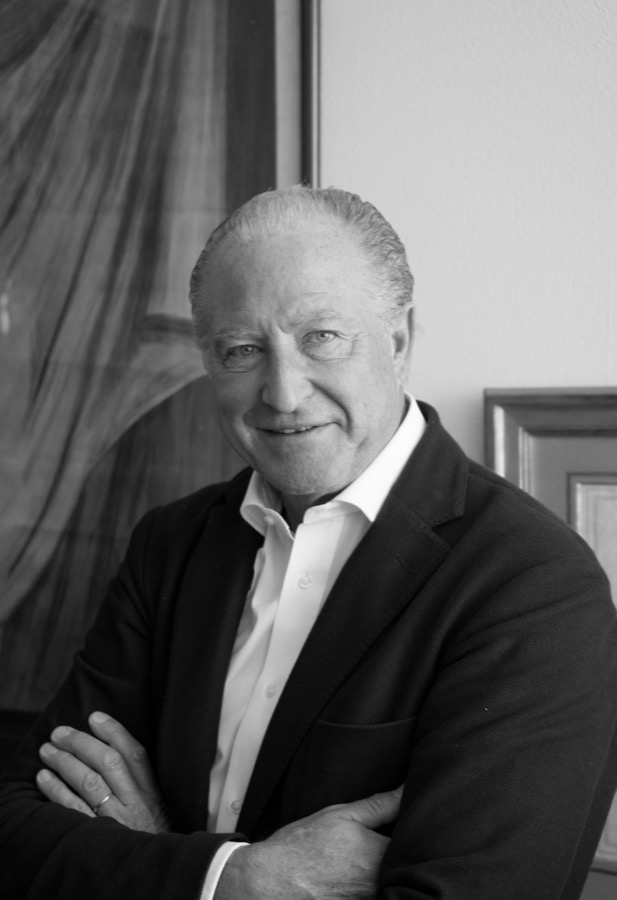
Harry Cutler
Harry Cutler pursued a career in fragrance creation during a pivotal era in American beauty and cosmetics. He developed Ciara for Revlon in 1973, a perfume that arrived during a period when American fragrance houses competed directly with their French counterparts. Cutler's path into perfumery remains partially obscured in available records, though Ciara suggests a formal grounding in classical fragrance construction. The Chypre-style scent, with its prominent orientation toward oakmoss and labdanum, indicates training that respected traditional European accord-building even as American designers began experimenting with bolder cultural expressions. Cutler found his primary creative home at Revlon, working within a commercial framework that valued both sophistication and accessibility. The creation of Ciara demonstrated his ability to translate market sensibilities into something more artistic than typical mass-market offerings.
The hits
Notable creations
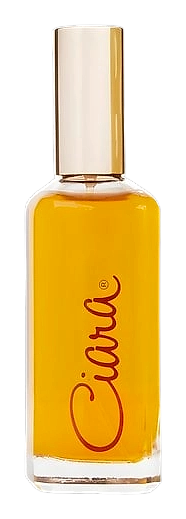
The signature
How Harry composes
Cutler's documented style centers on Chypre architecture, particularly the darker woodland materials that define the genre. His work with labdanum, oakmoss, and the resinous triad common to 1970s American perfumery suggests predilection for warm, grounding accords over bright, ephemeral openings. Ciara'sConstruction demonstrates his comfort with mossy, slightly medicinal undercurrents and the kinds of subdued animalic touches that require confident restraint to execute well. He favored finished scents that rewarded lingering wear rather than projecting loudly in the opening minutes. Rather than chasing novelty, Cutler sought depth andIntegration of materials, suggesting a perfumer who valued longevity and skin-compatibility over immediately impressive but fleeting impressions.
Philosophy
What drives Harry
Cutler appears to have operated within a philosophy grounded in craft rather than spectacle. His singular recorded work, Ciara, prioritizes structural integrity over novelty, building from earthy, resinous foundations rather than chasing trend-driven florals. He seemed to believe香水应该首先在皮肤上和谐运作,然后再考虑任何单一成分的惊艳感。His approach suggests an engineer-like respect forComposition: a scent operates as a whole, not merely as an assemblage of notable ingredients. This measured sensibility likely served him well within Revlon's commercial environment, where mass appeal required balancing artistry with broader accessibility.
The houses