
The Story
Why it exists.
The beginning
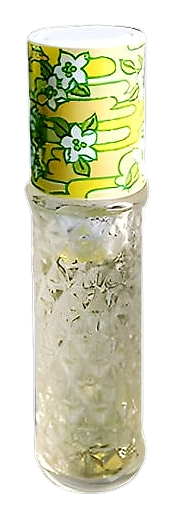
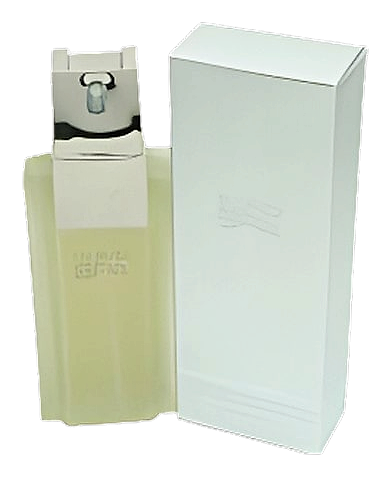
Jean Nate launched in 1935, originally under the Jean Nate Company before Revlon acquired and continued producing it. A classic floral built on citrus, lavender, florals, and powder, the kind of scent that announces a woman has left the room without saying a word. The name carried its own confidence. Jean Nate. As if it belonged to someone who didn't need to explain herself. Revlon acquired Jean Nate and kept it in production, a rare move for a mass-market brand. Most flankers and limited editions fade. Jean Nate stayed. That speaks to something: either the formula was too good to abandon or the name held too much recognition. Probably both.
The structure reflects 1930s perfumery values: clear articulation of each layer, no muddying, no hidden surprises. Citrus opens bright and direct. Florals follow without apology. Powder base anchors everything so it lingers without overwhelming. What makes it endure isn't complexity but clarity. Jean Nate smells like it knows exactly what it is.
The evolution
Opens bright. Lemon and bergamot arrive together, that immediate citrus lift that announces the day is starting whether you're ready or not. Then the lavender slides in, clean, not medicinal, the kind of fresh that feels like air in an open window. For the next few hours, the florals do their work. Geranium adds a green bite, rose and jasmine soften everything, and the whole composition warms without getting heavy. Around hour three, the sandalwood and tonka bean emerge. The citrus has faded. The florals are settling. And the drydown takes over, powdery, warm, skin-close. The sillage is moderate throughout. This isn't a fragrance that fills a room. It's one that leaves a trace. What stays is the powder and the warmth underneath. It lasts through a full workday and into evening, getting quieter but never quite disappearing.
Cultural impact
Jean Nate occupies a particular niche: not groundbreaking, not controversial, just present. It's the kind of fragrance people mention in passing, 'my mother wore that' or 'I remember that from when I was young.' Its cultural impact isn't loud. It's the staying power of a powder note that defined a category. Jean Nate doesn't start conversations. It completes them.