The Story
Why it exists.
The beginning
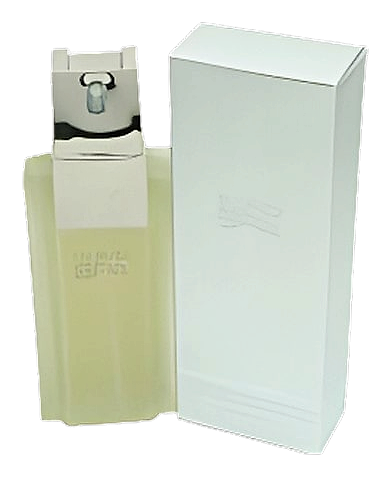
By 1992, Alfred Sung had built something quietly durable in Canadian fashion, clothing for women who had settled into their own taste, polished without performance. Sung Spa arrived as the name promised: a fragrance built around the moment after swimming. Not the workout. The stillness. The towel-wrapped exhale. It was wellness culture before the wellness industry existed, designed for a woman who wanted to smell like she had somewhere calm to be.
What makes this composition unusual is the calone in the heart. That ozonic, almost green-water note appears in aquatic fragrances but sits differently here, less sea-spray, more grass-after-rain. Rather than drowning the florals, it sharpens them. The geranium and hyacinth gain an edge. The jasmine and rose stay present but arrive with unexpected clarity. It's a white floral that won't let you forget it's wearing something green. The name pulls from spa culture, yes, but the structure is more interesting than the label suggests.
The evolution
The citrus top arrives crisp and immediate, bergamot, lemon, mandarin, all three firing at once. No hesitation. No softness. For the first twenty minutes, this is pure morning brightness. Then the florals begin to push through as the citrus thins. The calone announces itself here, a green, almost ozonic current running through the jasmine and rose, keeping everything sharper than expected. Geranium and hyacinth add body without sweetness. By hour three, the sandalwood and musk arrive. The green fades but doesn't vanish. What lingers is warm, clean, and close to the skin. Moderate sillage means it stays with you, not the room. Six to eight hours on most skin, fading quietly rather than disappearing all at once.
Cultural impact
Released in 1992, Sung Spa captures the pre-wellness-industry moment when spa culture was about stillness, not branding. It belongs to a generation of fragrances that treated freshness not as a trend but as a lifestyle. The calone note divides wearers even now, some find it medicinal, others find it clarifying. That controversy is the most interesting thing about it.