The Story
Why it exists.
The beginning
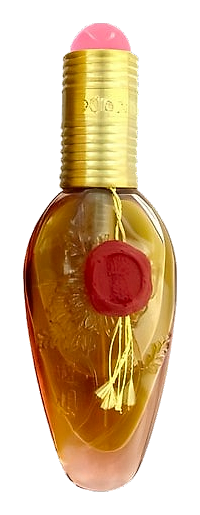
Xia Xiang, pronounced see-AH see-AHNG, meaning 'summer fragrance' in Mandarin, arrived in 1987 as part of Revlon's late-80s engagement with East Asian olfactory traditions. While Charlie Oriental would follow a year later, Xia Xiang took a more direct approach: a Chinese name, a composition that borrowed from Chinese perfumery, and a confidence that didn't ask permission. Revlon's philosophy was always reactive, what do women want right now, and in 1987, what women wanted was to wear the world on their terms. Xia Xiang gave them a way to do exactly that, one spray at a time.
The structure here is unusually generous for a cologne. Six heart notes, ylang-ylang, rose, African orange flower, gardenia, jasmine, lily of the valley, create a white floral pyramid that most fragrances would kill for. The chamomile in the base is the unusual move: herbal, slightly medicinal, it keeps the vanilla and tonka bean from going fully sweet. Oakmoss does what oakmoss does, pulls everything toward earth, toward the ground, toward something that lasts. The composition rewards patience. It's not trying to impress in the first five minutes.
The evolution
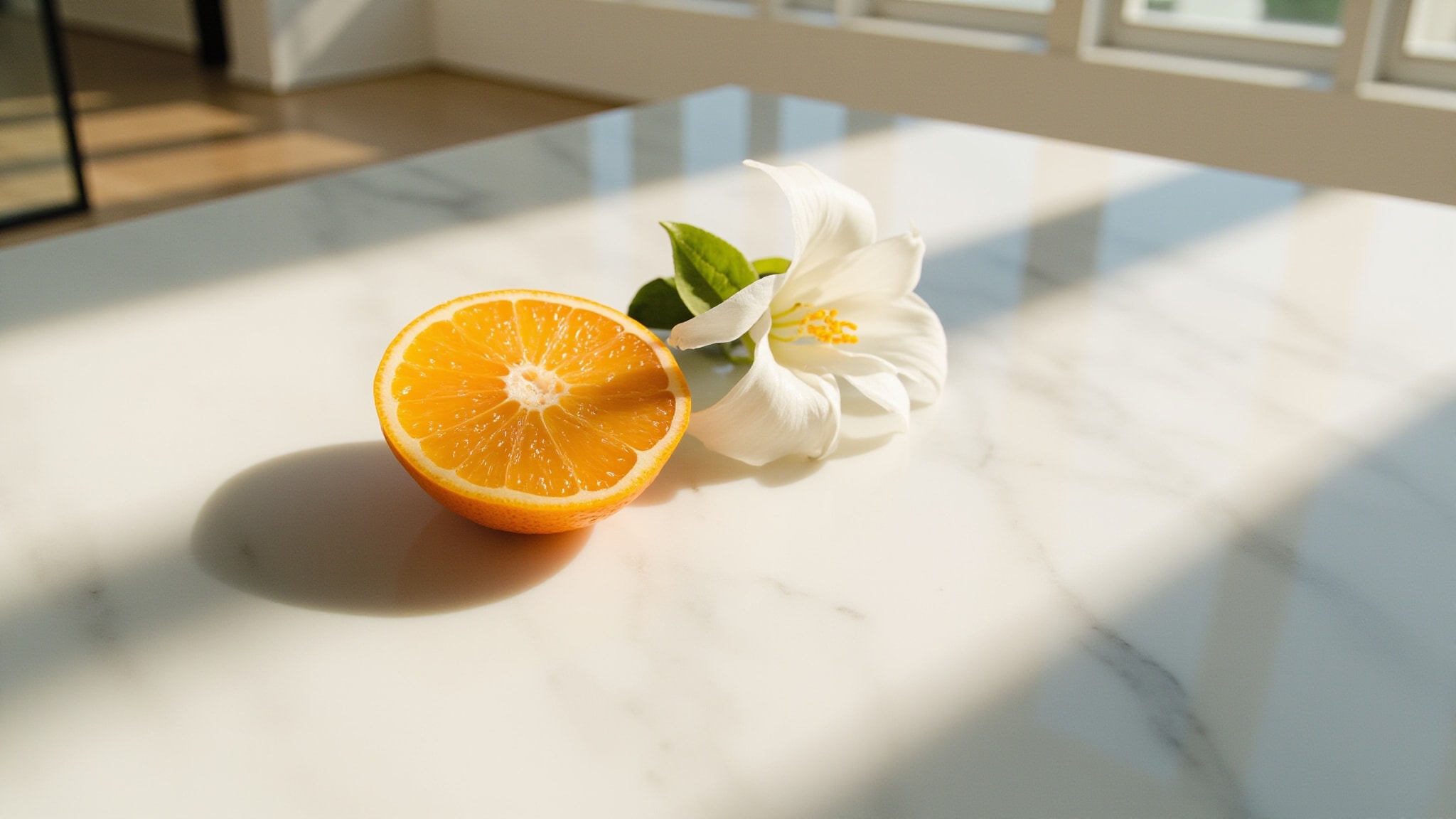
The citrus opening, tangerine, bergamot, Amalfi lemon, arrives bright and clean, almost translucent. The bergamot leads, sharp and green, the kind of opening that reads as 'morning.' Within twenty minutes the florals begin to push through: gardenia first, then ylang-ylang with its banana-cream sweetness, jasmine taking its time. The citrus doesn't disappear, it softens, becomes a background warmth rather than the main event. By hour three, the oakmoss has arrived in full. The white florals deepen into something powdery and warm. The drydown, hours five through ten, is sandalwood and tonka bean and peach, intimate, skin-close, the kind of scent that someone standing next to you will notice before you do.
Cultural impact
Xia Xiang never reached the iconic status of Charlie, but it found its audience. Wearers describe it as a nostalgic marker, something associated with a particular aunt, a particular era, a particular kind of confidence that felt possible in 1987. It's the fragrance people remember finding in their mother's or grandmother's bathroom, the one that smelled like a specific kind of warmth. For collectors, it's a piece of late-80s fragrance history, a mainstream brand engaging with East Asian olfactory traditions at a moment when such references were still relatively uncommon in Western perfume. The white floral oriental chypre structure reads as dated to some, charmingly retro to others. Both responses are correct.