The Story
Why it exists.
The beginning
Jérôme Di Marino built Intimate around a single idea: what if a fragrance felt like the space between you and someone else? Not a statement. Not a hello. A closeness. Launched in 2020 by Women Secret, the Spanish fashion-and-fragrance house that has spent decades treating scent as a personal pleasure rather than a public signal. The name says it all, this is a fragrance designed to be discovered at arm's length, not announced across a room.
The note architecture reflects that intent. Pink pepper and mandarin orange open bright but never shout, a quick flash of citrus spice that softens within minutes. The heart of almond blossom and jasmine sambac is where Intimate earns its name: creamy, heady, almost edible florals that sit close to the skin like warm breath. The base is deliberately intimate: tonka bean adds a vanilla-powder softness, musk keeps everything grounded and human, sandalwood provides just enough warmth to keep it from disappearing entirely. The composition isn't trying to impress. It's trying to be lived in.
The evolution
The opening lasts maybe ten minutes, pink pepper's spice warming the skin, mandarin's brightness fading faster than expected. Then almond blossom takes over, bridging into jasmine sambac's creamy white floral warmth. This is the heart of Intimate: soft, round, undeniably sweet without being sugary. It holds for two to three hours. The drydown belongs to tonka and sandalwood, a powdery-vanilla warmth that lingers on skin and fabric for another three to four hours. On clothes, it lasts until the next wash. On skin, it stays intimate, never projecting far, always present.
Cultural impact
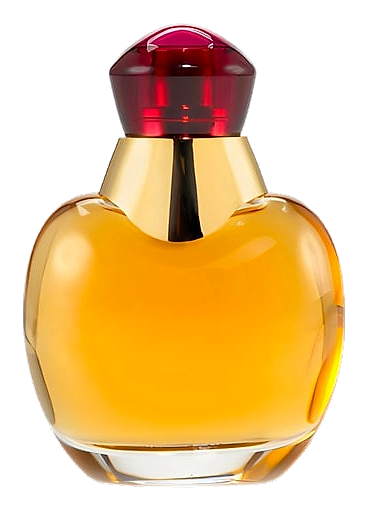
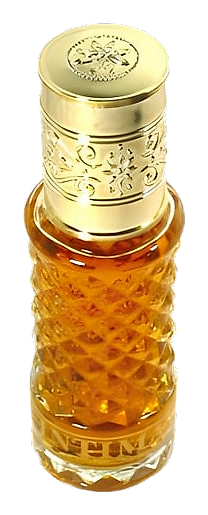
Intimate arrived in 1990 during a pivotal era when mass-market brands began investing heavily in designer-quality fragrances. Revlon positioned it as an accessible entry point into the world of sophisticated feminine scents, targeting women who admired high-end classics but needed budget-friendly alternatives. The fragrance captured the democratization of luxury in beauty culture, where prestigious bottle designs and complex note compositions became available to mainstream consumers. Its floral chypre structure reflected the era's preference for elegant, timeless scents over fleeting trends. The choice of a cut glass bottle with gold cap echoed the visual language of premium fragrances, signaling quality without the premium price.