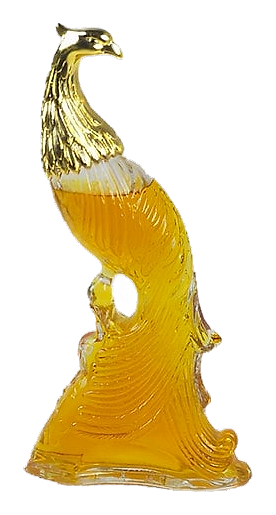

The Story
Why it exists.
The beginning
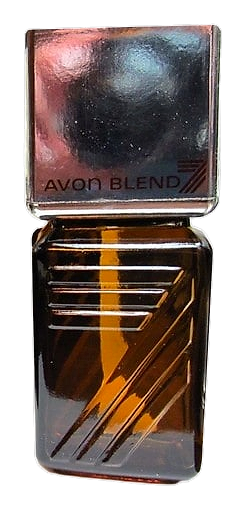
The strelitzia, Bird of Paradise, is native to South America, a tropical bloom with a fresh, lively scent that doesn't announce itself but catches you when you lean in. That quality is exactly what this fragrance was after: green and alive, not green and aggressive. Avon released it in 1969, creating a scent that balanced bright botanical notes with deeper, more grounded elements. The fragrance opens with crisp green accords that feel vibrant and immediate, then settles into a richer heart where the florals emerge with subtle warmth. There's an interplay between the brightness of the top notes and the depth that develops as the scent unfolds, giving it complexity without becoming overwhelming.
What makes Bird of Paradise work is the way the green notes carry something almost smoky underneath them. The oakmoss and burnt-grass quality in the composition doesn't feel accidental, it gives the floral heart something to stand against, keeps the whole thing from floating into generic sweetness. The woody base of sandalwood and dark cedar anchors the lift of the florals, so the fragrance doesn't just evaporate. It's a 1969 interpretation of tropical freshness that relies on contrast rather than sweetness to stay interesting.
The evolution
The opening hits with green oakmoss and that distinctive burnt-grass note, unmistakably alive. Within twenty minutes the floral heart opens up, softening the green edge into something more rounded and wearable. The smoke doesn't disappear; it deepens, settling into the composition like a background hum. The woody base of sandalwood and dark cedar takes over by the second hour, and that's where this fragrance earns its staying power. The sandalwood adds creamy warmth while the dark cedar contributes a drier, more structured element that gives the base depth. Together they work to extend the life of the florals, preventing them from fading too quickly. The transition from top to heart to base feels smooth, with each layer building on the previous one rather than replacing it entirely.
Cultural impact
Bird of Paradise occupies an interesting space in Avon's history: a 1969 release that performs well enough to still be discussed decades later. It's a fragrance that rewards close attention, with a scent profile that offers more than might be expected at first encounter. The green and smoky accord creates something distinctive, while the woody base provides enough depth to keep the composition interesting over time. Those who have worn it describe a fragrance that stays with you, evolving from bright opening notes into a richer, more complex heart before settling into its final form.