The Story
Why it exists.
The beginning
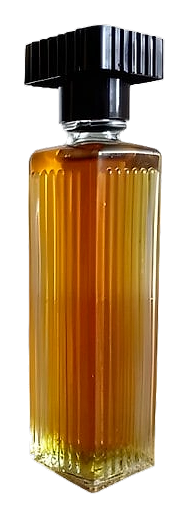
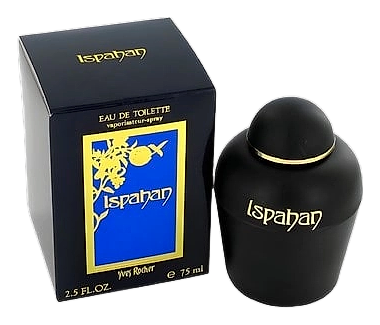
Ispahan takes its name from the historic Persian city, famed since the medieval era for its rose gardens and ancient aromatic traditions. When Maurice Roucel created this fragrance in 1977, he built it around yellow florals, ylang-ylang and mimosa at the heart, giving the composition a warm, sun-drenched quality that feels both luxurious and grounded in the earth. The name itself connects the fragrance to a place where roses have been cultivated for centuries, and the composition honors that heritage with a botanical richness that is unmistakably French.
What makes Ispahan distinctive is the interplay between aldehydes and yellow florals. The aldehydes give the opening a classic, almost vintage quality, that lifted, sparkling elegance associated with the great French compositions of the mid-20th century. But the yellow florals keep it warm rather than cold, grounded rather than austere. Ylang-ylang brings a tropical sweetness; mimosa adds a soft, powdery warmth. Together they create a heart that feels sunlit, not shadowed. The warm spice in the base, clove and cinnamon, keeps the florals from being too delicate, adding depth and presence that extends the fragrance's arc well into the drydown.
The evolution
The opening announces itself with aldehydes and citrus, bergamot and mandarin cutting bright and clean for the first thirty minutes. Then the yellow florals take over. Ylang-ylang and mimosa lead, with rose and jasmine adding richness, while lily of the valley keeps the transition grounded. By hour three, the base begins to emerge: amber and vanilla arrive with benzoin and tonka bean, creating a warm, powdery cushion that wraps around the lingering florals. Clove and cinnamon drift through as the hours pass. Sandalwood and patchouli settle into the base, with frankincense adding a quiet resinous depth. The drydown is soft and close, intimate, not announced. Musk and tolu balsam anchor everything, leaving a quiet trail that lingers on fabric long after the skin has gone quiet.
Cultural impact
Ispahan represents a particular moment in French perfumery, when vintage Oriental structures met the warmth of yellow florals in a composition that felt both classic and personal. The aldehydes give it a quality associated with the great mid-century compositions, while the yellow florals keep it grounded in warmth rather than cold elegance. Though discontinued, it maintains a reference point for those who appreciate what Yves Rocher can do when the brand's botanical heritage meets serious craft.