The Story
Why it exists.
The beginning
Bolero opens with a tension that feels deliberate, the restraint at the start, the heat that builds, the surrender at the end. What begins as something controlled deepens into warmth and intimacy, the kind that arrives without announcement. The composition moves through stages, each one pulling the wearer further into its world, the kind of pull that feels inevitable rather than chosen.
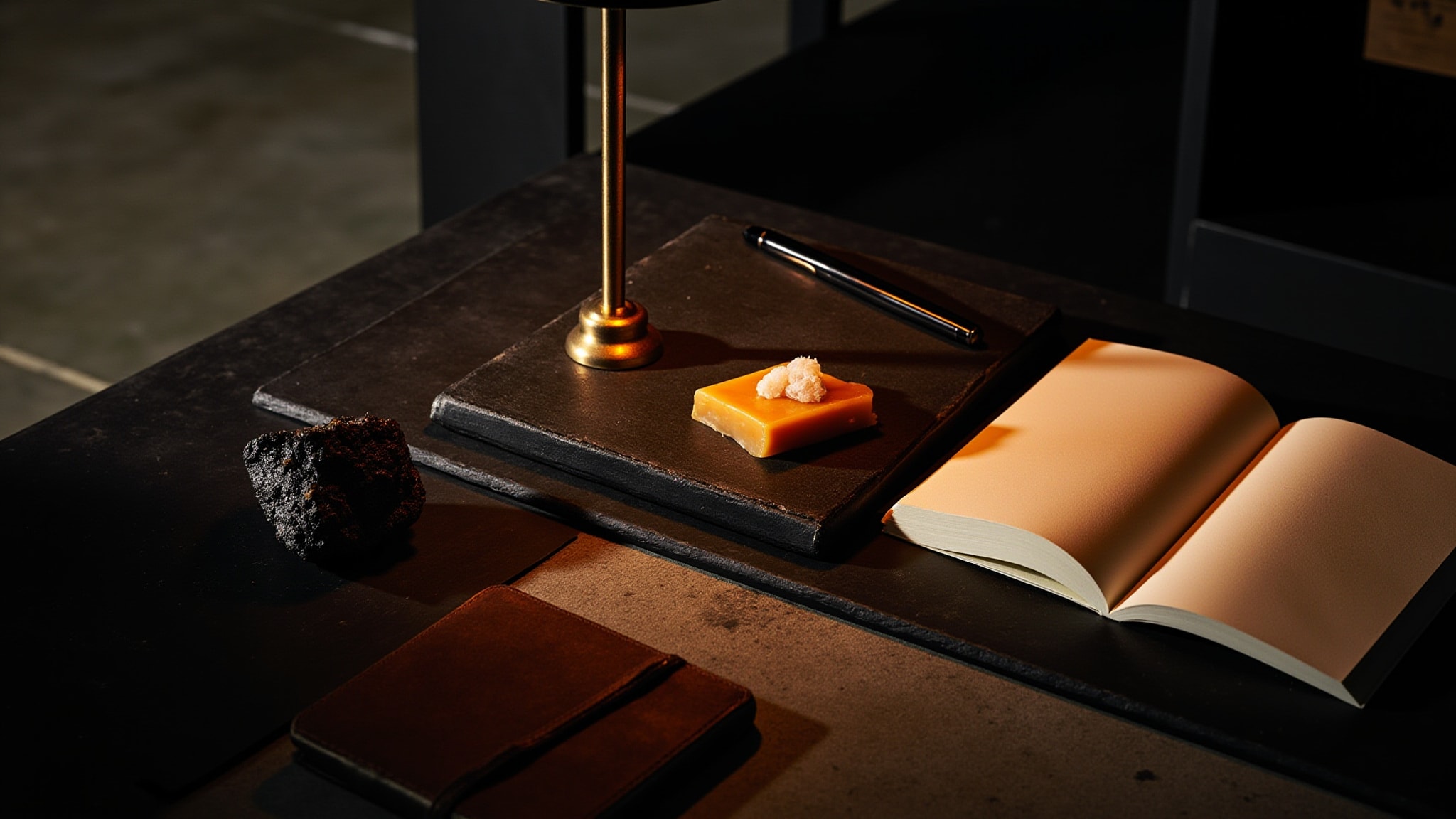
The structure mirrors the form. A bright, trembling opening, rose petals and sweet orange. Then the middle deepens into something more deliberate: oud and cypriol bringing resinous weight, davana adding an herbal complexity that grounds the composition. Salted caramel threads through as edible warmth, softening what could be austere. The drydown is cedar and patchouli, with labdanum adding a dusty, almost animalic amber that lingers close to skin. What makes it work is that the sweetness never dilutes the complexity, it makes it approachable.
The evolution
The first hour belongs to rose and salted caramel, a combination that reads almost confectionery, sweet but with enough floral sharpness to keep it interesting. Then the oud announces itself. Not loudly. It seeps in like humidity, turning the air heavier, the warmth deeper. Cypriol follows, adding a peppery, Nag Champa-adjacent earthiness that some people either love or find confrontational. By the time the florals have retreated, what remains is a resinous, woody core: cedar and patchouli wrapped in vanilla, with labdanum lending a sticky, animalic undertone that lingers close to skin. The longevity is above average, the warmth persistent, the presence unmistakable.
Cultural impact
Bolero is a composition from Mutis Nueva Granada, an Oriental fragrance that sits in a collection alongside Merengue and Mambo, all musical references rooted in Colombian and Latin tradition. It offers real weight, the kind that announces presence without apology, the kind that stays with you long after you've stopped paying attention.