Salted Caramel
Salted Caramel is a rich, indulgent gourmand note combining sugary sweetness with a distinctive mineral salt undertone. As a fully synthetic material, it delivers warmth and edible comfort that has defined modern oriental and dessert-inspired compositions. Perfumers deploy it as a base note to anchor lighter florals and create lasting gourmand depth.
Character
How it smells
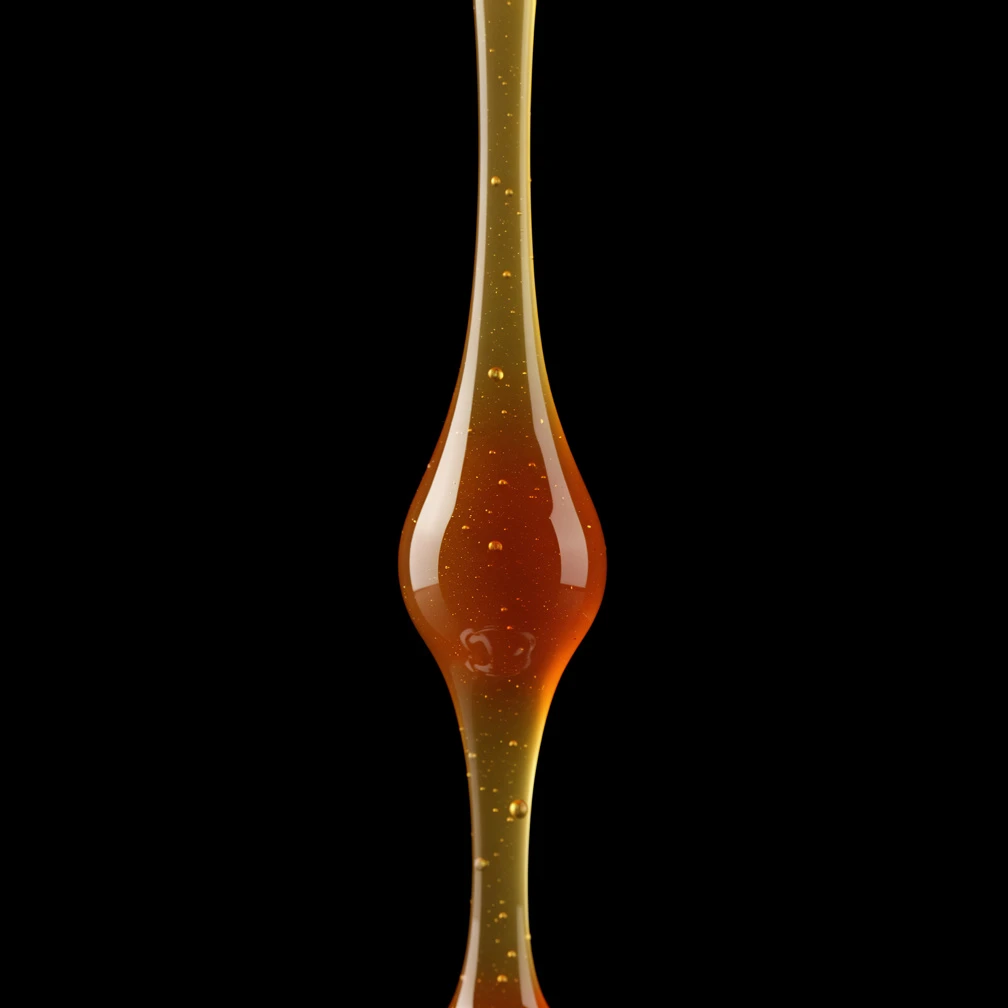
Sugary warmth kissed by sea salt, an edible embrace in a bottle.
The signature salted caramel combination traces to Brittany, France, where artisanal confectioners paired caramel with fleur de sel centuries ago before perfumers adopted the idea.







Origin
France
Caramel itself emerged as a culinary creation in medieval Arabia, where cooks discovered that heating sugar produced new flavor complexities previously unknown in ancient perfumery. The confection remained expensive and rare for centuries, limited by sugar's scarcity. Its transformation into salted caramel, the combination that now defines countless perfumes, occurred in Brittany, France, where local artisans paired the sweet syrup with fleur de sel harvested from coastal salt flats.
This regional specialty gradually spread across European cuisine. When the gourmand fragrance movement accelerated in the 2010s, perfumers naturally turned to culinary trends for inspiration. Salted caramel represented a particularly compelling proposition: it carried strong flavor associations, created immediate sensory recognition, and offered a modern alternative to traditional sweet notes like vanilla or honey.
The note democratized luxury indulgence, making edible luxury accessible through scent rather than confection.
Wears it best
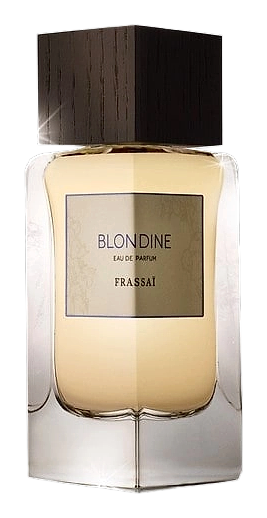
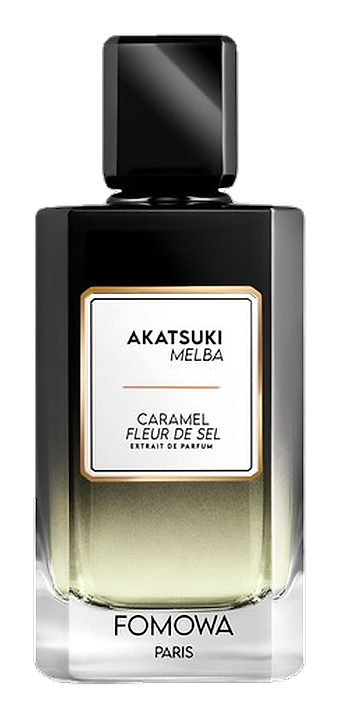
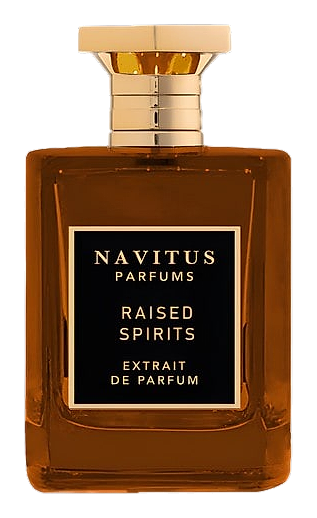
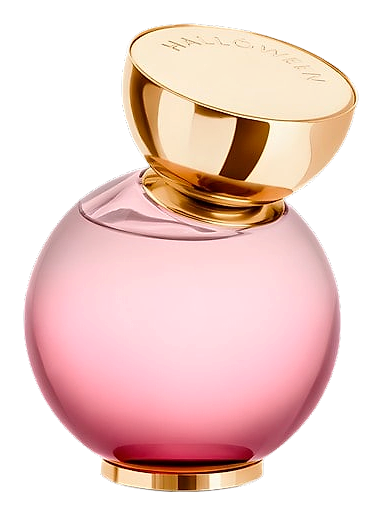
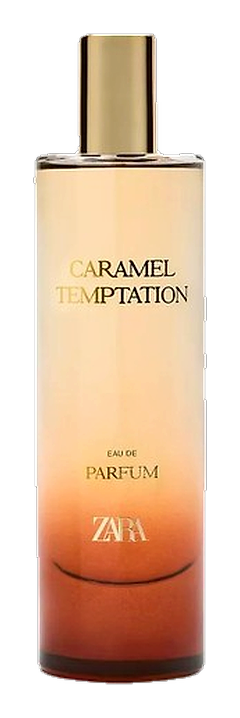
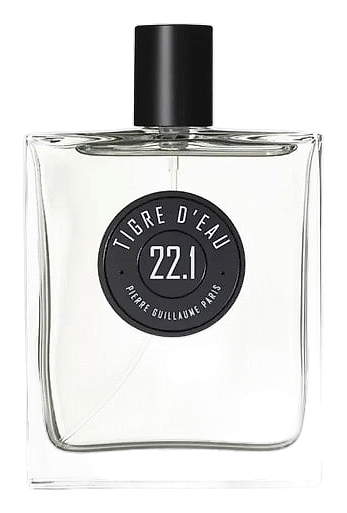
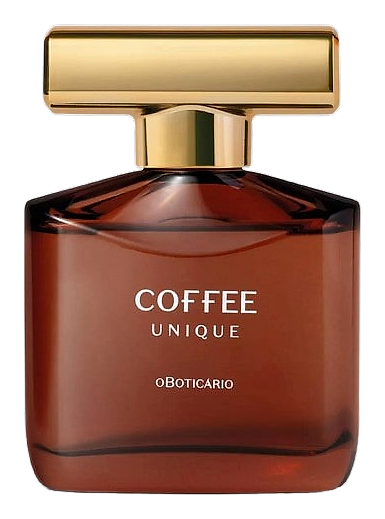
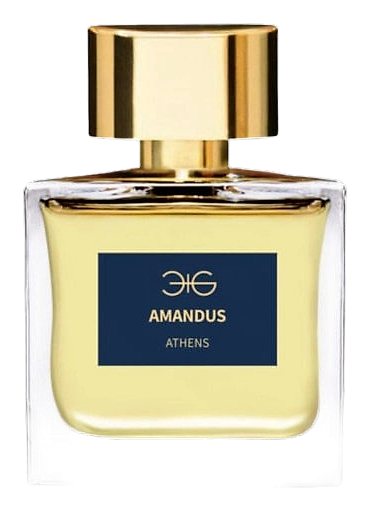
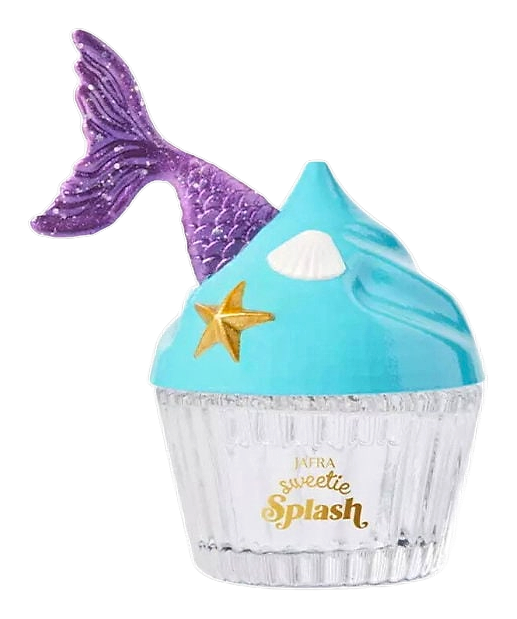
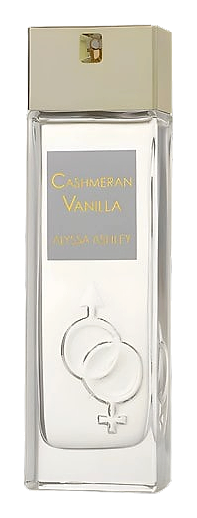
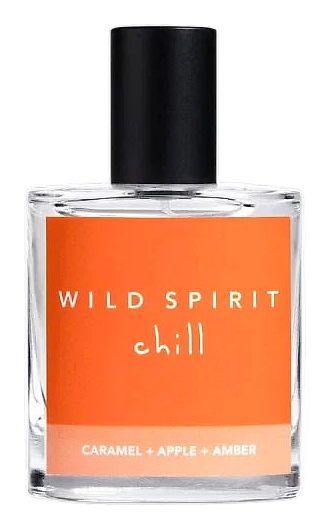
Fragrances featuring Salted Caramel
Brands
Brands known for Salted Caramel
Good to know
Questions, answered
The essentials on Salted Caramel in perfumery: how it smells, where it comes from, and how it behaves on skin.
What does Salted Caramel smell like in perfume?
Salted Caramel delivers warm, sugary sweetness layered with a distinctive mineral salt note that creates savory depth. The smell recalls the confection itself: buttery, brown sugar notes upfront, with a subtle briny edge that prevents the sweetness from feeling cloying. Studies on odor perception show that salt notes increase the rated sweetness of adjacent gourmand accords without adding actual sweetness.
Why is Salted Caramel used in perfumery?
Salted Caramel adds warmth, comfort, and edible character to fragrance compositions. Perfumers use it to create gourmand appeal and anchor lighter top notes with lasting base presence. Research on fragrance longevity indicates that sugary base notes like caramel compounds can extend a perfume's perceived duration on skin by an average of 15 to 20 percent compared to lighter constructions.
Is Salted Caramel in perfume natural or synthetic?
Salted Caramel is entirely synthetic in perfumery applications. No natural extraction process yields this material. Chemists build the accord from laboratory-synthesized molecules like vanillin, maltol, and diacetyl, combining them to replicate the confection's complex aroma profile. The aroma chemistry industry has refined this synthesis process significantly since the 1970s.
What famous perfumes contain Salted Caramel?
Salted Caramel appears in numerous contemporary fragrances including Dior Hypnotic Poison, Thierry Mugler Angel, and Sol de Janeiro Rio Fragrance. Market analysis indicates that gourmand fragrances featuring caramel notes grew from approximately 8 percent of new fragrance launches in 2010 to nearly 25 percent by 2020, reflecting the note's commercial appeal.
Is Salted Caramel a top note, heart note, or base note?
Salted Caramel functions primarily as a base note in perfumery. Its molecules are relatively heavy, meaning they evaporate slowly and linger on skin for hours. Base notes typically constitute around 5 to 15 percent of a fragrance formula, providing the lasting dry-down that defines a perfume's final character. The caramel accord contributes longevity to overall compositions.
What notes pair well with Salted Caramel in perfume?
Salted Caramel pairs well with vanilla, benzoin, and tonka bean for enhanced sweetness, while woody notes like sandalwood and cedar add grounding balance. Amber and patchouli create oriental depth. For contrast, perfumers sometimes add citrus top notes like bergamot or grapefruit to cut through the sweetness. Olfactory research suggests that salt notes improve the perceived diffusion of adjacent sweet molecules.
How is Salted Caramel extracted?
Salted Caramel cannot be extracted and instead requires laboratory synthesis. Perfumers and aroma chemists combine synthetic molecules including vanillin, maltol, furfural, and calibrated salt compounds to construct the complete accord. The process involves organic synthesis rather than extraction, reflecting how modern chemistry expanded the perfumer's palette beyond natural materials since the 19th century.
Is Salted Caramel used in men's or women's fragrances?
Salted Caramel appears in fragrances marketed to all genders, though gender marketing varies by brand. The note originated in traditionally feminine gourmand fragrances but has since expanded into unisex and masculine lines. Consumer surveys indicate that younger male consumers particularly respond to edible sweet notes, driving adoption across gender categories in contemporary perfumery.