The Story
Why it exists.
The beginning
Bob Mackie built his name designing costumes for performers under stage lights. Feathers, sequins, and showgirl confidence, his work became inseparable from the spectacle of American performance art. When he turned to fragrance in 1991, the idea was the same: a composition that alters how the wearer presents to the world. Costumes and scents both function as transformative layers. Rather than pursuing subtlety, Mackie wanted compositions with presence and lasting power. The signature Mackie scent opened with immediate sweetness, peach, pineapple, raspberry, before unfolding into a heady floral heart that carried the weight of a costume parade.
The heart of this fragrance is where the ambition lives. Seven floral materials share the middle stage: tuberose, jasmine, ylang-ylang, narcissus, orange blossom, honeysuckle, and rose. Tuberose does the heavy lifting, creamy, almost narcotic in its intensity. Ylang-ylang brings its own sweetness, denser than tuberose, while jasmine adds a warm, indolic depth that keeps the florals from reading as precious. The narcissus and honeysuckle introduce a green, slightly animalic undertone that prevents the composition from becoming purely sweet. Rose appears in smaller quantities, providing a powdery counterpoint rather than dominating.
The evolution
The opening arrives fast. Peach, pineapple, and raspberry burst in together, immediate sweetness that announces itself without apology. The raspberry adds a slight tartness that keeps the fruit accord from becoming cloying. This phase lasts about an hour before the florals take over. The heart is where Mackie earns its reputation. Tuberose leads, thick and creamy, joined by jasmine and ylang-ylang in a wave of white floral intensity. The ylang-ylang is doing the densest work here, its sweetness is almost syrupy, grounding the composition even as the tuberose pushes upward. There's a green snap from the narcissus and honeysuckle that cuts through the richness, keeping the florals from reading as purely sweet. The orange blossom adds a clean, soapy counterpoint that surfaces intermittently. The drydown takes its time arriving but doesn't disappear. Amber warmth, soft sandalwood, and a musk-patchouli combination that reads as almost animalic, not skanky, but present.
Cultural impact
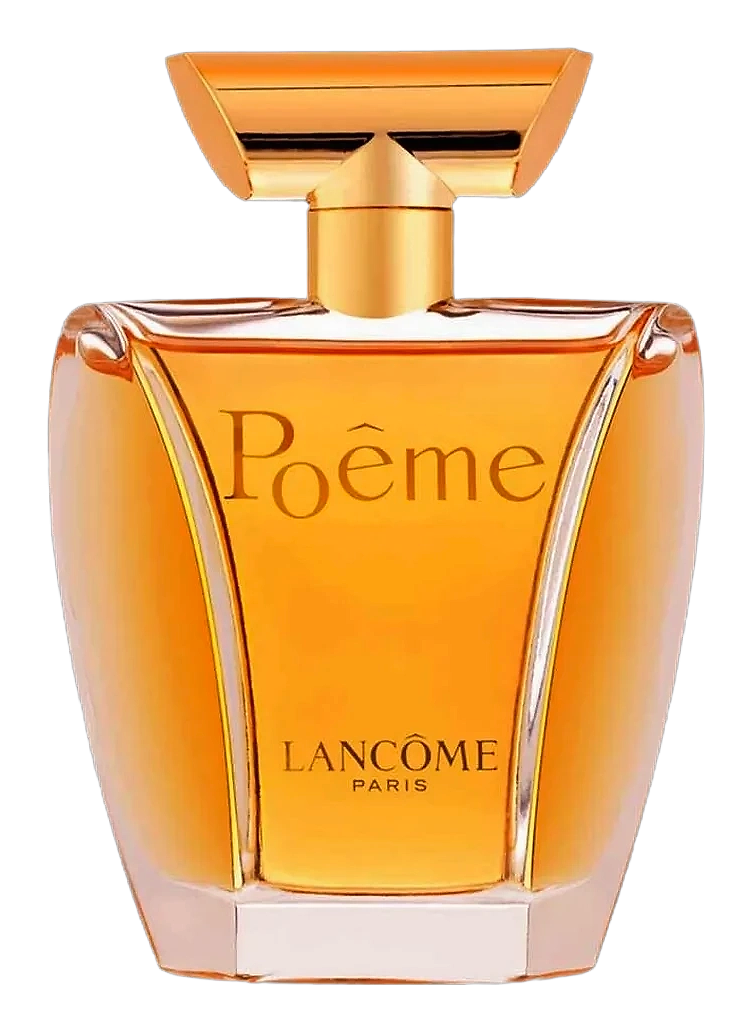
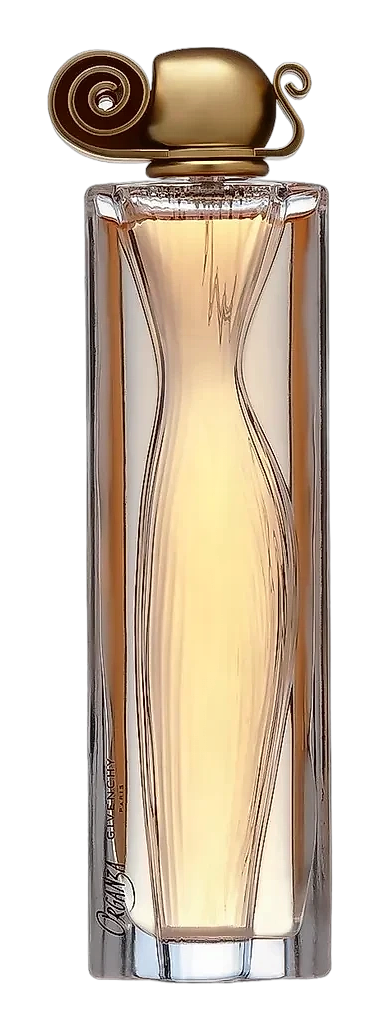
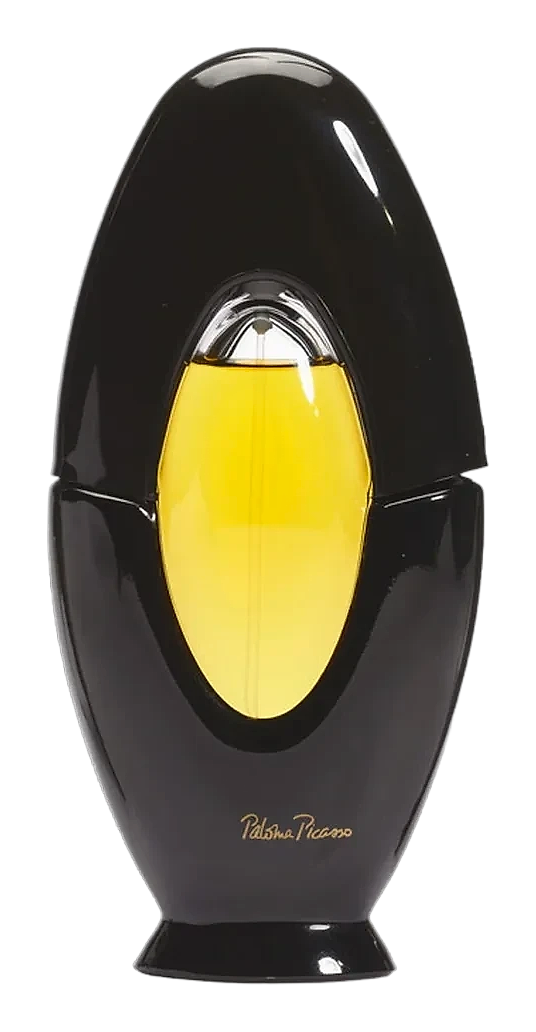
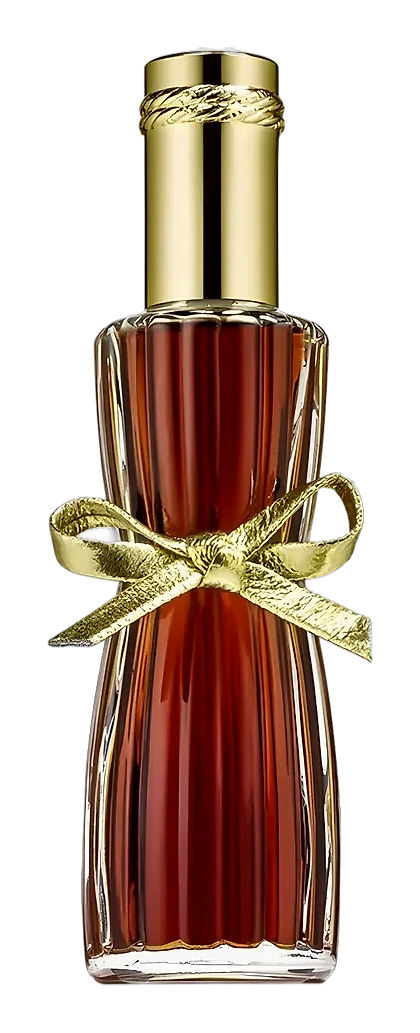
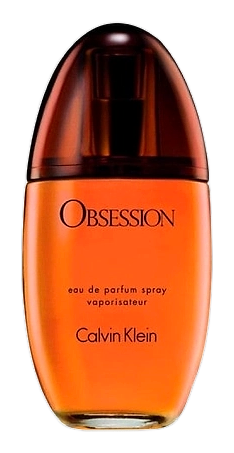
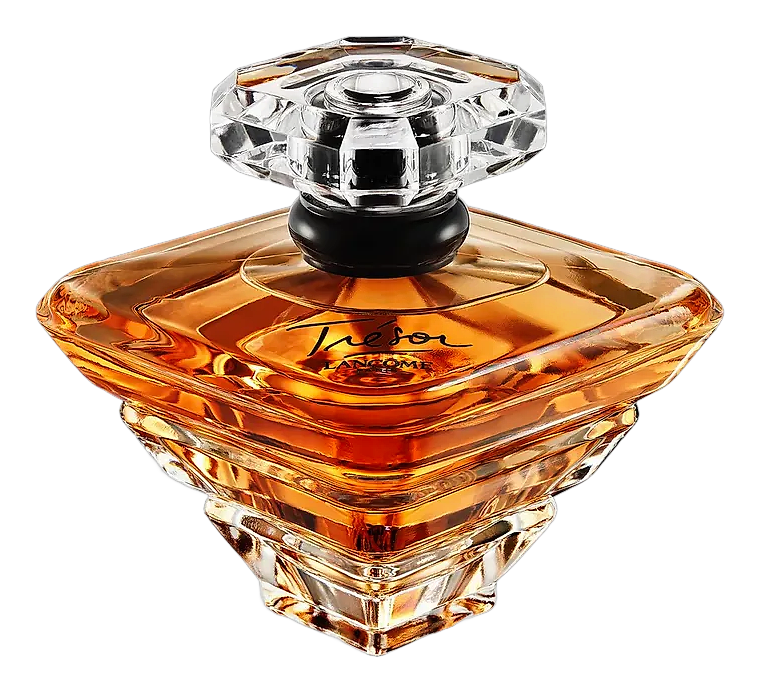
Mackie belongs to a tradition of bold, full-bodied florals from the late 1980s and early 1990s, fragrances designed to announce presence rather than whisper. Sitting alongside Poison, LouLou, and Poême, it represents a specific moment in perfumery when ambition and sillage were virtues. The 1991 launch date places it in an era when fragrance houses were comfortable with intensity. For its admirers, it's become a cult favorite, not the most mainstream launch, but the kind of fragrance people seek out years later because it simply doesn't smell like anything contemporary.