
The Story
Why it exists.
The beginning
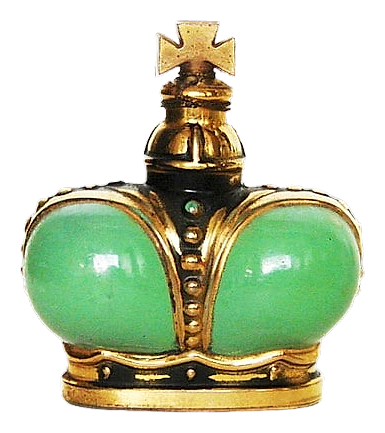
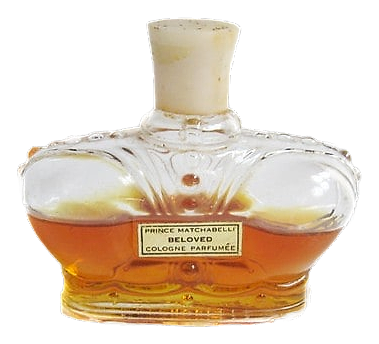
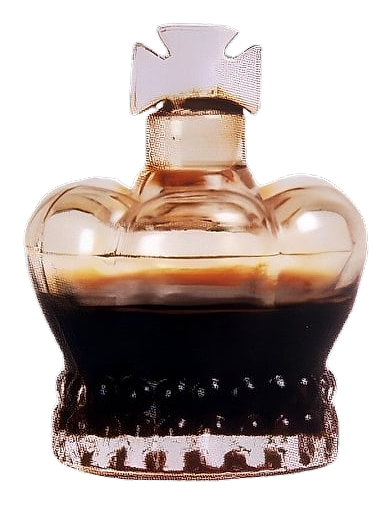
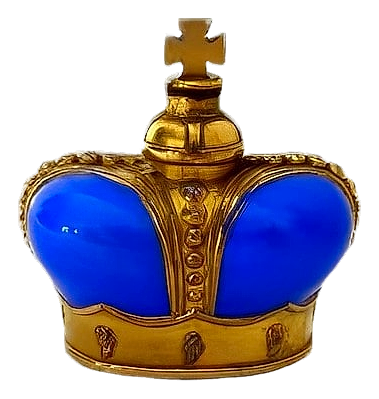
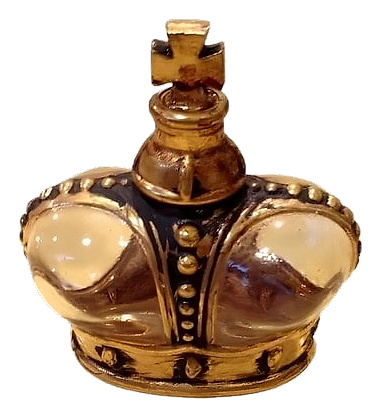
Georgian Carnation arrived in 1937, among the very first perfumes released by Prince Matchabelli, a house founded by a Georgian prince who had resettled in New York and built a perfumery business there. The opening trio, Princess Norina, Queen of Georgia, and Ave Maria, all drew from the founder's heritage, and Georgian Carnation traces a thread straight back to the country that gave him his title. The Republic of Georgia had long been the spiritual home of carnation-rich compositions, fragrances built on the pepper-clove warmth of the flower rather than its softness, and the prince knew this tradition personally. Georgian Carnation was his tribute: a direct, unapologetic expression of the spice-forward floral he grew up around.
Carnation is one of perfumery's most misunderstood materials. Most people know the flower as something soft, ruffled, faintly sweet. What actually reaches a bottle is something else: the absolute carries a sharp, clove-like bite from eugenol, a peppery facet that reads almost savory. This fragrance leans into that. Where many floral compositions round the carnation's edges with sweetness or powder, Georgian Carnation lets the spice stand.
The evolution
The first few minutes are the sharpest. Carnation arrives at full volume, its clove-pepper character almost aggressive on first spray, the floral sweetness barely present beneath. There's a green, slightly bitter edge too, the stems of the flower rather than its petals. Over the next thirty minutes the composition settles into its rhythm: the spice stays constant, the floral warms and deepens around it, and the whole thing starts to read less like a single ingredient and more like a place. By the two-hour mark the drydown has claimed the composition. The carnation recedes but never disappears; what remains is warm, slightly woody, faintly powdery in a vintage way that doesn't try to update itself. On skin it holds well through an evening, the sillage trailing close and intimate, the kind of scent that registers more on the wearer's own wrist than across a room.
Cultural impact
Georgian Carnation reads as a relic of a quieter, more direct era in fragrance, when a single material could carry an entire composition and no one asked it to apologize. Its refusal to soften the carnation with gourmand sweetness or modern fruity additions gives it a character that feels out of step with current trends, and that tension is part of what makes it memorable. The fragrance trusts the wearer to handle the spice, to sit with something that smells closer to a spice drawer than a bouquet, and that confidence is rare.