The Story
Why it exists.
The beginning
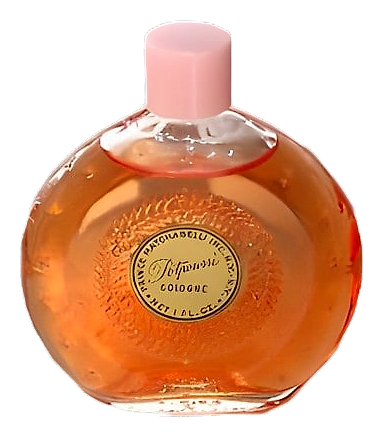
Potpourri arrived in 1940 carrying a name that does exactly what it says. The composition is built around the layered warmth of dried botanicals, spice, and resin, the kind of fragrance that smells less like a single flower and more like a room where many have been left together. It was a composition that took its time, assembling hyacinth, lemon, rose, violet, ylang-ylang, lilac, clove, benzoin, vanilla, and musk into something that earns its name through density rather than delicacy. The first impression is sharper than the name suggests. A green-edged opening of hyacinth and lemon cuts through before the warmer florals settle in, giving the fragrance a brightness that keeps it from reading as heavy or old-fashioned.
What makes Potpourri worth smelling today is its refusal to behave like a modern floral. The heart stacks rose, violet, ylang-ylang, lilac, and clove into a dense, almost overwhelming bouquet, the kind of layered, spice-laced floral that pulls you in rather than announcing itself at a distance. The base is equally traditional: benzoin, vanilla, and musk doing the warm, resinous work that holds the whole thing together. The opening of hyacinth and lemon keeps it from feeling like a relic, adding a sharp, green-bright edge that suggests fresh stems rather than dried sachets.
The evolution
The opening belongs to hyacinth and lemon, a sharp, almost green accord that reads brighter than expected for a composition of this style. There's a watery quality to the citrus that pulls the whole thing forward before the floral-spice core takes over. Then the heart arrives in full: rose, ylang-ylang, violet, lilac, and clove stacking into something dense and unmistakably warm. The clove is the loudest voice in this phase, giving the heart a spiced, almost honeyed sweetness that pushes against the cooler florals rather than blending politely into them. The ylang adds its banana-skin richness beneath, and the whole accord reads like a floral arrangement left in a warm room, the kind of scent that fills a space without shouting. As the composition moves toward its base, benzoin and vanilla take over while the musk underneath pulls everything close to the skin.
Cultural impact
Potpourri sits in a specific corner of perfumery that rewards close attention. Wearers tend to describe it as a vintage fragrance with backbone, the kind of composition that draws people drawn to the heavier side of the genre. Its rose-violet-clove heart and benzoin-vanilla base put it in conversation with a long tradition of dense, spice-laced florals that don't apologize for their richness. The fragrance feels like a window into a specific style of perfumery, one where 'floral' meant layered and warm rather than sheer and bright.