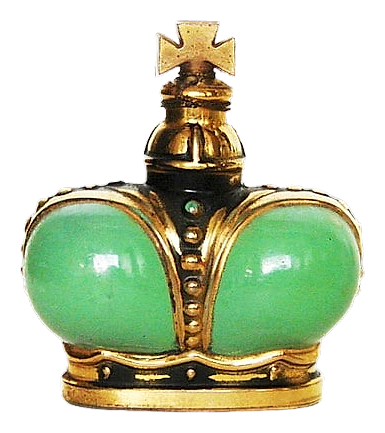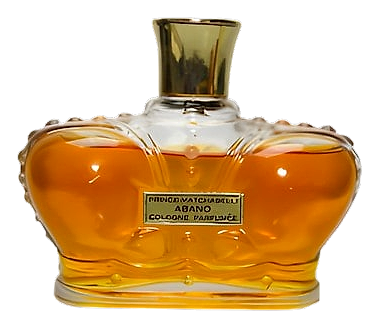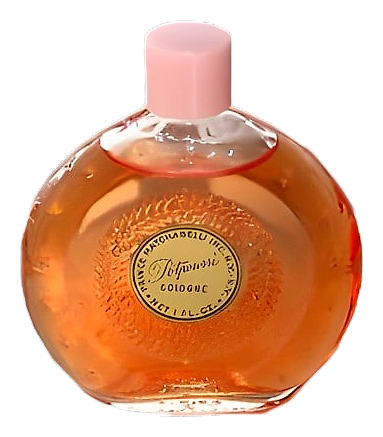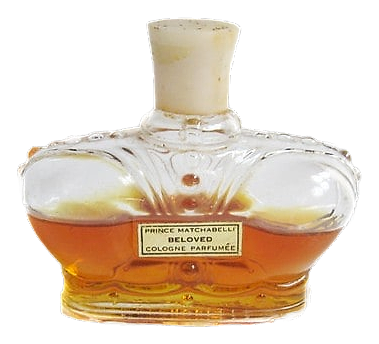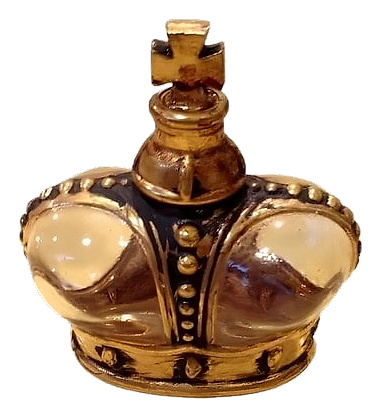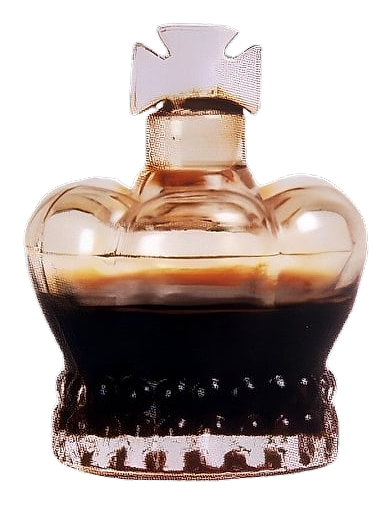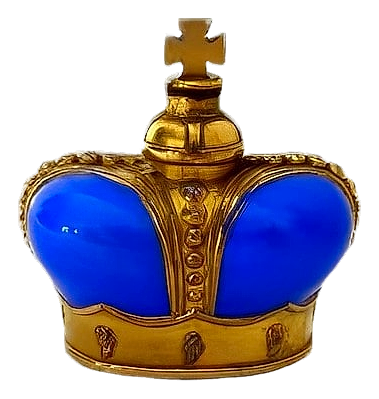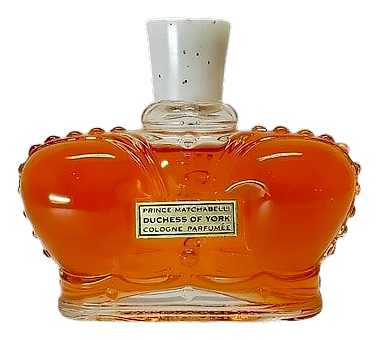

The Story
Why it exists.
The beginning
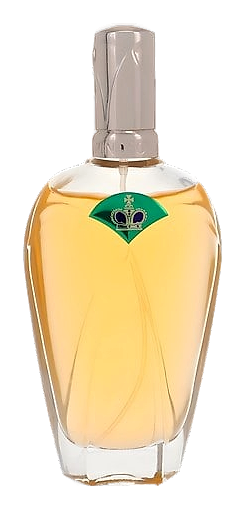
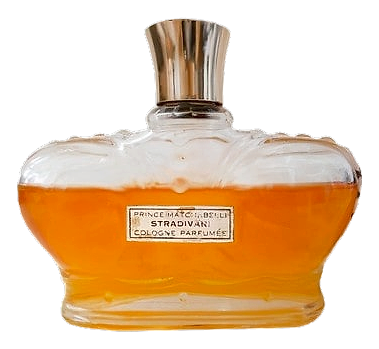
The name belongs to history, not royalty. Mary Beatrice (1658-1718) held the title of Duchess of York, and her predecessor Isabella of Castile served as the original inspiration for this 1934 cologne. The story traces to two Spanish princesses fleeing through a poplar-lined road in France, and the princes who rode out to meet them. Prince Matchabelli, himself a displaced aristocrat, the exiled prince of his country, read the tale and found something in it: a loneliness and a gentle sweetness he wanted to bottle. The result was a floral composition built around a single, specific mood, the kind of scent that emerges when a perfumer chases an emotion rather than a market.
What makes this composition unusual is its commitment to a single flower. Duchess of York is a soliflore, a brave structural choice built around lilac, with lily of the valley and jasmine tucked in as supporting voices rather than co-leads. The supporting florals do their work quietly, lifting the lilac without competing with it, adding dimension without distraction. The result is a fragrance that oscillates between polleny and sharp, soft and green, without ever defaulting to the violet or iris references modern perfumery uses when it wants to suggest purple.
The evolution
The opening is bright and slightly sharp, green enough to read as crushed stems rather than a polite floral. Within the first 20 minutes, jasmine slides in underneath, adding a warmth that rounds the edges without smoothing them out. Lily of the valley arrives as a bridge, cool and dewy, connecting the top to the heart. The middle hours belong entirely to lilac, and this is where the composition earns its reputation: it manages to smell both polleny and clean at the same time, neither soapy nor heavy. As the hours pass, the lilac gradually loses its sharpest edges and settles closer to the skin, taking on an almost waxy quality that recalls the inside of a real petal. The drydown softens into a skin-close whisper, the kind of scent that requires you to bring your wrist to your nose to find.
Cultural impact
Duchess of York has been discontinued, which makes surviving bottles a small piece of olfactory history. The fragrance stands as an artifact of a particular approach to single-flower composition, one that trusted a wearer to appreciate restraint. A lilac soliflore, built on precision rather than abundance, is a rare thing in any era, and the fact that this one arrived in 1934 only adds to its character.