The Story
Why it exists.
The beginning
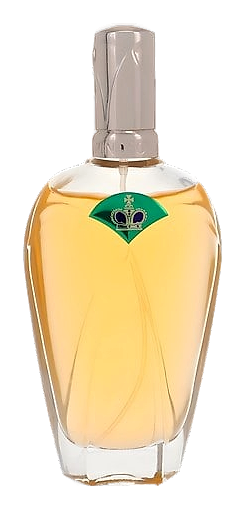
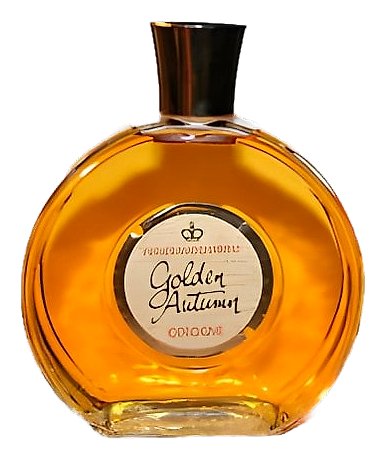
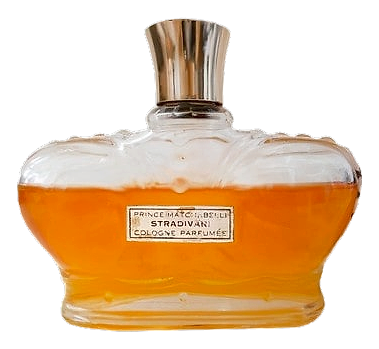
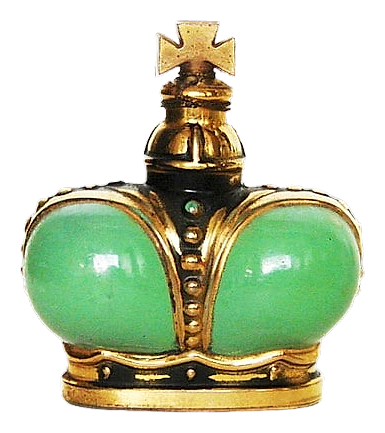
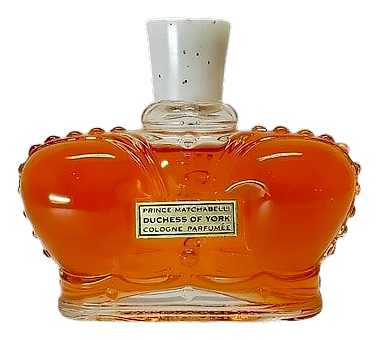
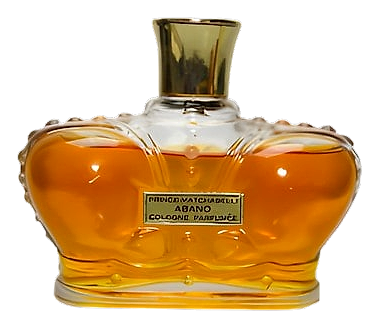
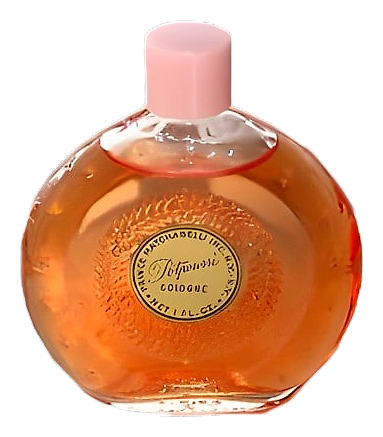
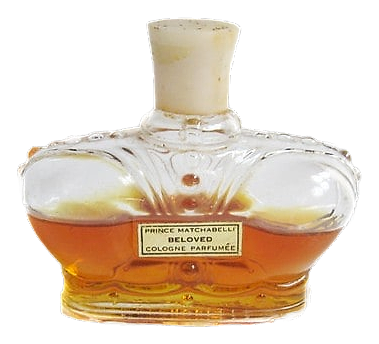
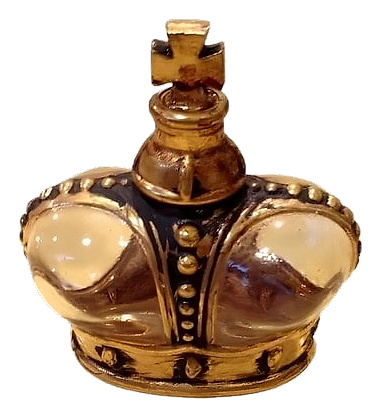
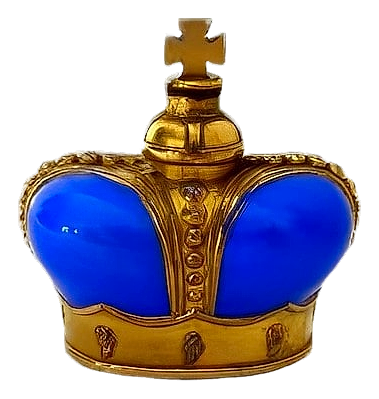
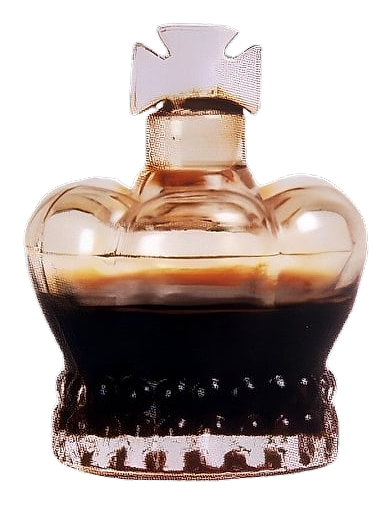
Infanta arrived in 1937, carrying forward the spirit of Prince Matchabelli, a house shaped by a prince who was born in Georgia and called himself an amateur chemist. The fragrance carries that same sensibility. Its floral accord channels a particular kind of womanhood, refined, youthful in its softness, with a title that hints at royalty without demanding it. The name itself is old-world: infanta, the Spanish and Portuguese term for a princess of the royal house, daughter of a king and queen but not heir to the throne. There's a quiet authority in that positioning, a princess who doesn't need to claim the crown to command attention. The scent reads as one continuous gesture, a single idea carried through petal after petal without interruption.
A pure floral composition is harder to get right than it looks. Without spice or smoke to anchor it, the structure rests entirely on the quality and balance of the petals themselves, and the perfumer has nowhere to hide. Each element has to earn its place, contributing to a unified accord without pulling focus or creating gaps. The florals here are treated with the kind of attention usually reserved for a single soloist: nothing doubles up, nothing competes. The result is a composition that reads simple but rewards attention.
The evolution
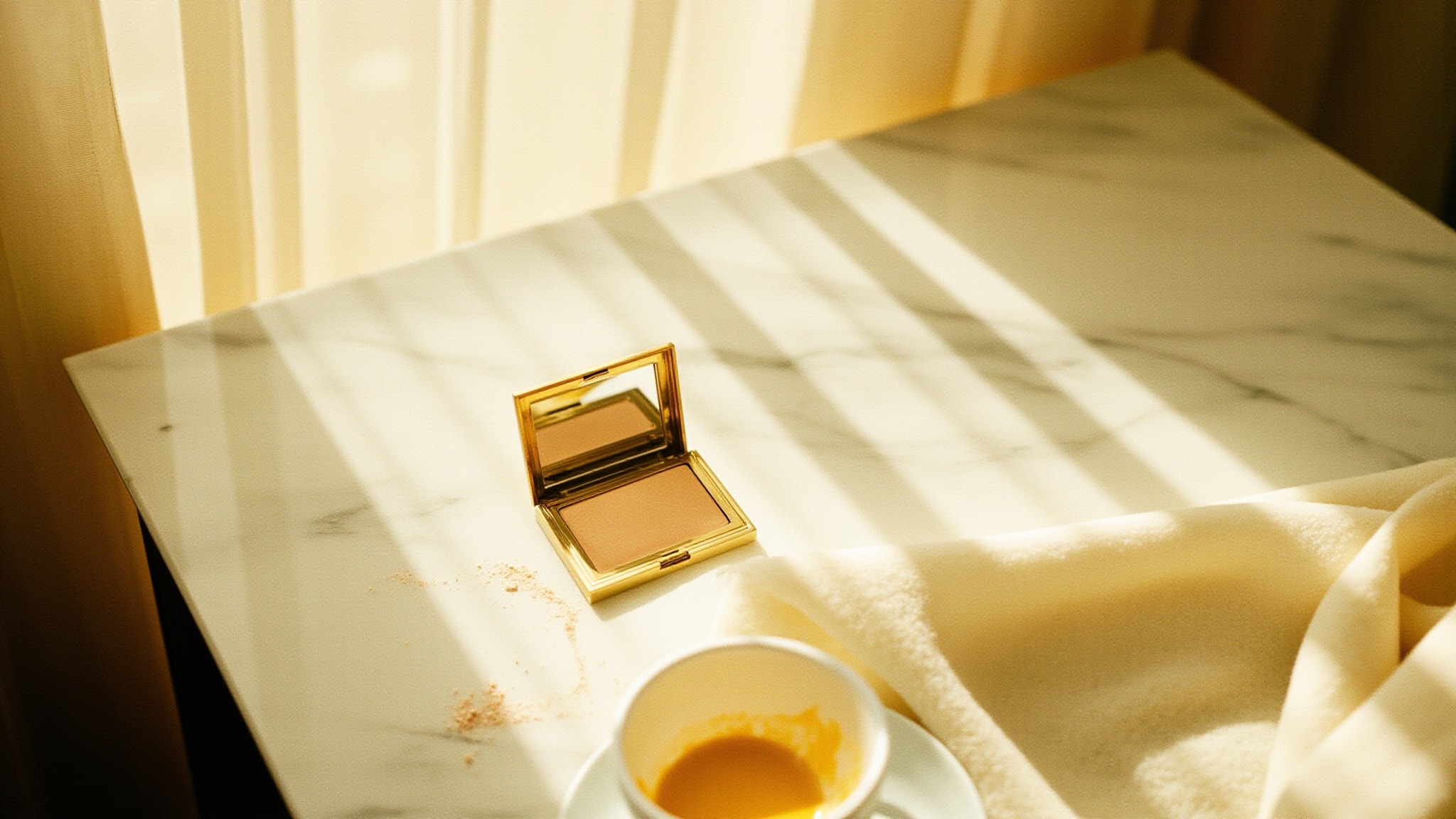
The first minutes are the softest, a close-set bouquet of powder and petals, almost like opening a compact in a room with the windows shut. Rose leads, but it's a vintage rose, rose soap and rosewater rather than a red-rose-in-a-garden moment. Over the next hour, the composition warms into something creamier, the florals settling into a skin-like base that reads more like warm fabric than perfume. The interesting thing is the drydown: it doesn't vanish, it just retreats to a whisper, and that whisper is oddly persistent. What starts as a declaration becomes a suggestion, and the suggestion holds its ground through the hours, pulling close to the skin rather than fading into the room. It's an intimate kind of wear, one that rewards proximity over projection. You catch it when you move, on a wrist or a collar, and the people closest to you catch it too.
Cultural impact
Infanta sits quietly in the Prince Matchabelli lineup, less discussed than some of its siblings but no less considered. That's part of its appeal. This is a fragrance for someone who doesn't need the bestseller, who prefers the dusty jewel in the cabinet. It's a 1937 composition that still speaks the language of its era: powdery florals, soft architecture, the kind of perfume that assumes the wearer wants refinement, not novelty. In a category crowded with louder, more assertive launches, Infanta holds to a different rhythm.