
The Story
Why it exists.
The beginning
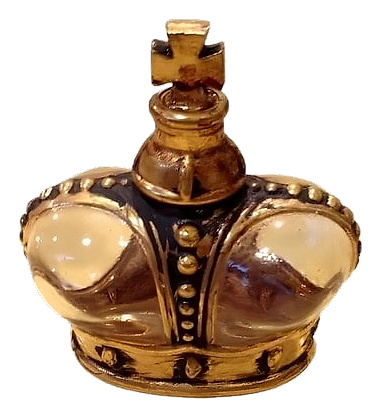
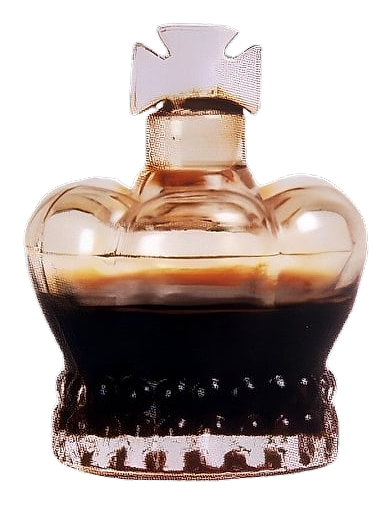
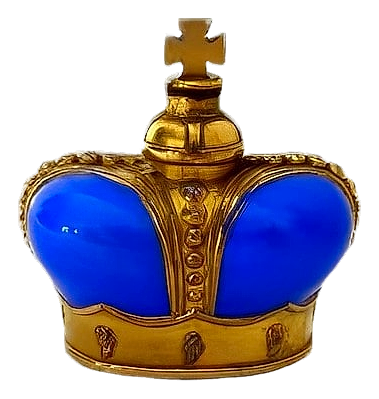
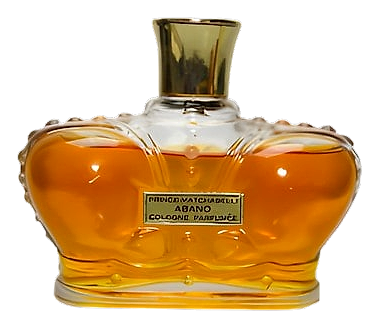
Abano launched in 1931 under a slogan that was almost too on the nose: Abandon your cares with Abano. The name itself does the work. Prince Matchabelli, the perfumer behind the fragrance, built a chypre that reads less as seduction and more as a way to settle in for the evening. The composition is straightforward in a way that feels deliberate: orange, lavender, oakmoss, patchouli, and green notes arranged without the flourishes you'd expect from the period. Where the decade's louder florals aimed to impress, Abano aimed to ground. The opening is bright but not sharp, the kind of citrus that warms quickly on skin. The lavender never shouts; it hums beneath the fruit like a low note in a chord.
What makes Abano structurally interesting is how little it tries to overwhelm. The bitter orange and lavender do the bright work up top, a clean pairing that feels like a well-tied knot rather than a flourish. The oakmoss and patchouli anchor everything with that earthy, slightly bitter depth that defines the chypre family. The green notes tie the whole thing to a specific kind of vegetation, the sort that grows low and wild, with a mineral coolness underneath. The composition holds its shape from the first spray to the last trace on skin.
The evolution
The first fifteen minutes belong to the orange. Bitter, warm, a little sun-baked, the way citrus smells when it's been near heat for too long. The lavender isn't far behind, but it shows up as an undertone rather than a statement, a dry, herbal hum underneath the fruit. By the thirty-minute mark, the green notes start pushing through, vegetal and slightly sharp, like stems crushed between fingers. The composition shifts from bright to grounded almost without you noticing. The middle hours, somewhere between one and four, are where the oakmoss takes over. It doesn't dominate so much as absorb everything else into its earthy, forest-floor warmth. The patchouli joins the moss somewhere in this stretch, and the two dark materials fold into one another, each making the other more present.
Cultural impact
Abano arrived in 1931 at a moment when American fragrance was still finding its register between European tradition and local ambition. The name pointed toward a different kind of luxury, the quiet, restorative kind rather than something more performative. Within Prince Matchabelli's own catalog, which leaned toward ornate florals and dramatic orientals, Abano stood apart for its stripped-down honesty. Vintage reviewers describe it as one of the house's quieter accomplishments, a scent that rewards curiosity over spectacle and wears its restraint like a point of view.