The Story
Why it exists.
The beginning
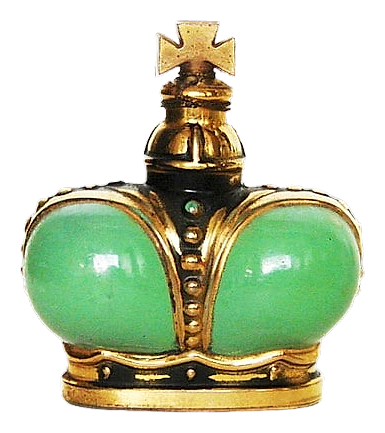
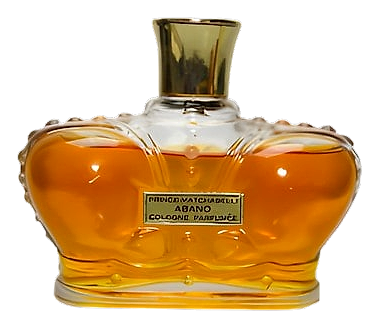
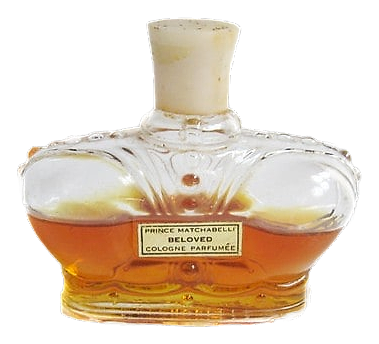
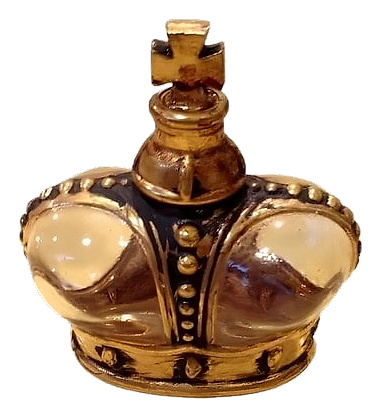
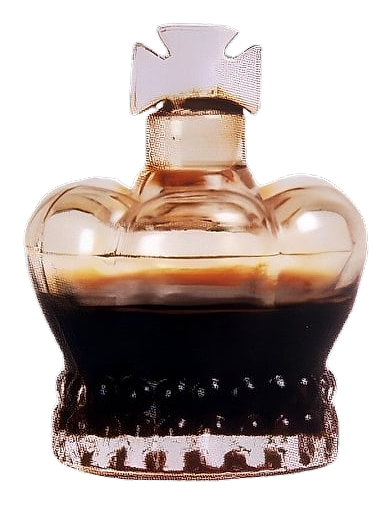
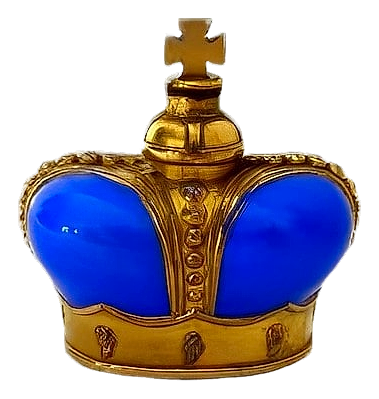
Princesse du Nord, also known as Katherine the Great, arrived in 1935 from Prince Matchabelli. The house built its reputation on a string of storied compositions, and this parfum entered the catalog as a regal counterpoint to releases like Ave Maria, each carrying the kind of classical floral architecture that defined the brand's early output. Princesse du Nord carries a name that suggests northern aristocracy, and the bottle itself leans into that conceit with presentation that feels more throne room than dressing table. The launch helped define what the house stood for, regal themes and traditional floral structures rendered with confidence. It was the kind of composition that announced its intentions at the door, and it became a quiet touchstone for the brand's identity going forward.
What makes Princesse du Nord interesting is how confidently it opens. The parfum reads as brightness, as lift, as the sparkle that signals something considered rather than something mass produced. There's a sharp, almost bracing quality to the introduction, a kind of crystalline shimmer that gives the composition its initial thrust. The warmth builds gradually as the top notes settle, and what emerges is a floral heart with real depth, something that earns its place rather than simply decorating the top notes.
The evolution
The first fifteen minutes are all sparkle. Sharp, fizzy, almost metallic in the way a great parfum can be, with something floral lurking underneath, not yet identifiable, more sensation than statement. Then something shifts. The brightness doesn't fade so much as it gets absorbed into the heart, where the florals begin to dominate, richer and more textured than what came before. The composition warms, the floral gets more substantial, and there's a powdery velvet quality that suggests face powder and wool, something that feels pulled from a vanity drawer in the best possible way. By the second hour, the heart has fully settled, and the base starts to make itself known, a soft, creamy presence that anchors everything that came before. The drydown is intimate, close to skin, the kind of scent that lingers on a scarf the next morning rather than announcing itself across a room.
Cultural impact
Princesse du Nord sits within Prince Matchabelli's early catalog, a fragrance that helped define the house's identity through regal naming and classical floral structures. The composition places itself firmly in the world of 1930s prestige perfumery, a moment when florals were expected to have architecture, when a parfum was judged by its composure as much as its sillage. As a discontinued release, it now occupies a collector's space, appealing to vintage perfume enthusiasts and those drawn to mid-century American perfumery with old-world bones.