The Story
Why it exists.
The beginning
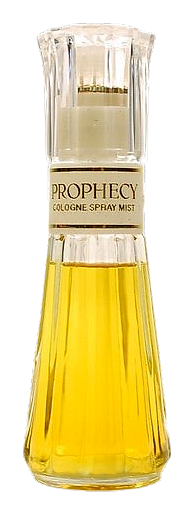
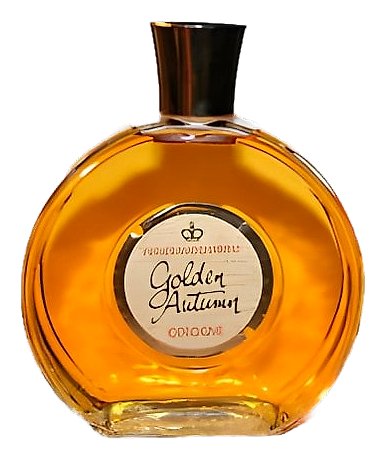
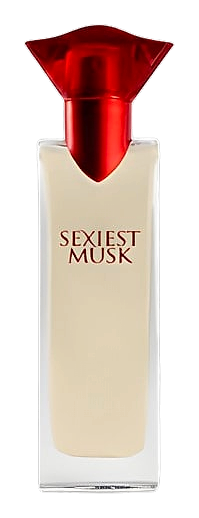
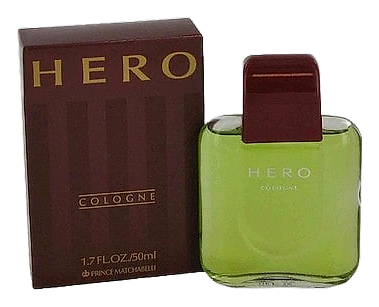
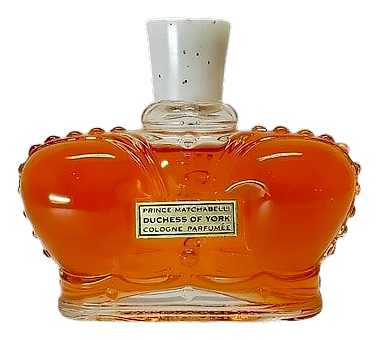
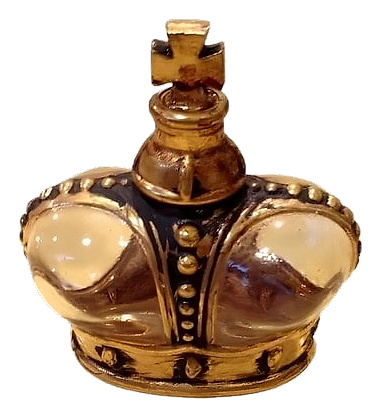
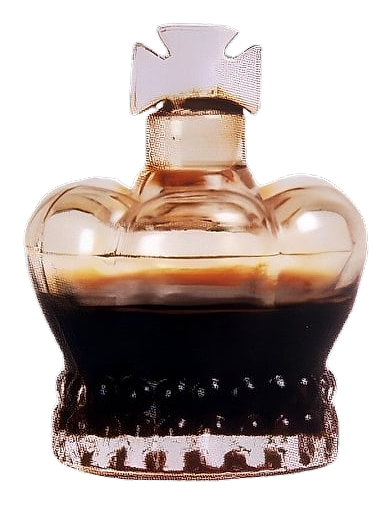
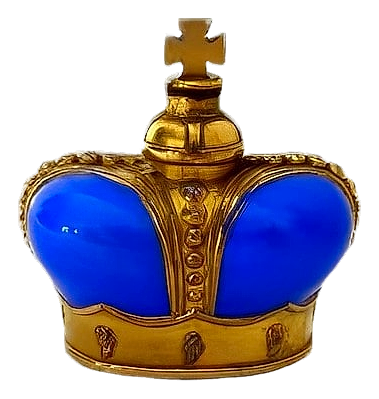
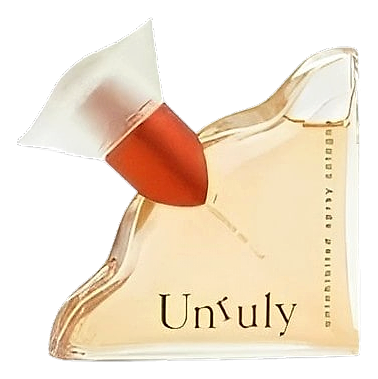
Unruly arrived in 1997 from Prince Matchabelli, a fragrance house with a portfolio that spans several decades of releases. By the late 90s, the label was exploring bolder, more expressive territory with compositions like Unruly, stepping away from quieter constructions and reaching for something with genuine presence. It was designed for women, positioned as a daytime composition built to be worn through the hours. Manufacturing has since been discontinued, which has turned vintage bottles into a pursuit for collectors who piece together the era through what remains on resale shelves and in forgotten drawers. The fragrance marks a turn toward fruit and floral excess, a moment when accessible perfumery still aimed for richness over restraint.
What makes Unruly worth noticing is the tension between its floral heart and its oriental undertow. Fruity and floral notes tend to read young and fleeting, but layering oriental warmth beneath gives the composition an unexpected gravity. The result is something that opens bright and almost gourmand, then anchors itself in a spicier, more resinous territory that keeps the sweetness honest. It's a 90s formula that distinguishes what commercial perfumery used to risk, and the interplay between the bright top and the darker foundation is what gives Unruly its lasting impression.
The evolution
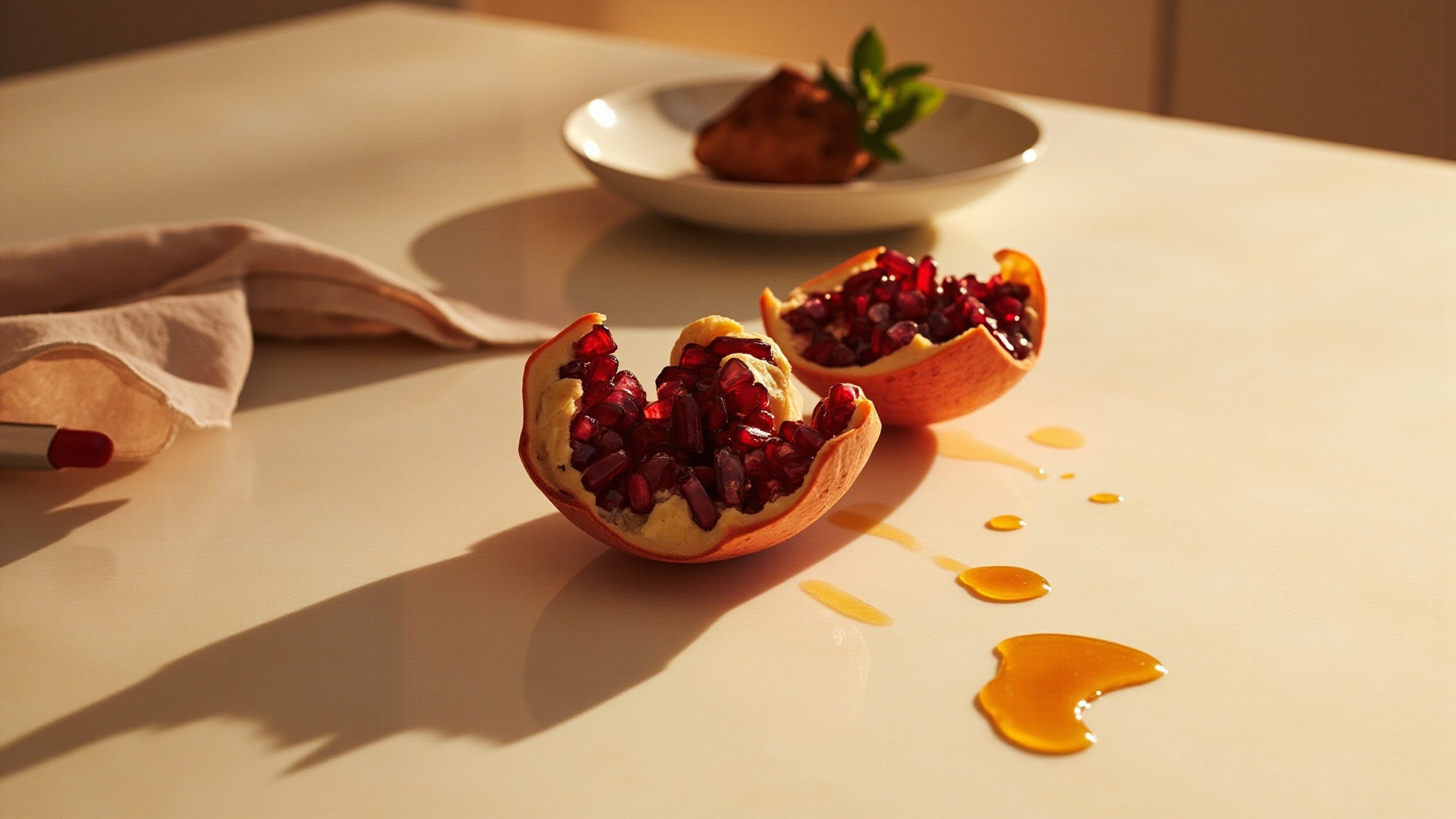
Unruly opens with a burst of sticky, syrupy fruit that reads almost candied, dripping with sweetness and carrying that bright, dripping quality of something freshly poured. The first minutes feel indulgent and unguarded, an olfactory sugar-rush that doesn't apologize. The heart unfolds into a floral haze, where powdery petals dust the composition with warmth, lingering like a half-whispered impression that softens the opening's sharp edges. As the hours pass, the base settles into oriental warmth threaded with spicy accents, leaving behind a smoldering trail that feels both elegant and untamed. The drydown doesn't fade so much as it smolders, a low ember of sweetness and spice that clings close to the skin and keeps the composition alive well into the evening.
Cultural impact
Unruly sits among the late-90s releases that gave Prince Matchabelli a small second wind of attention, compositions that traded the house's softer reputation for something with more reach. Discontinued but not forgotten, it survives in vintage collections and resale listings, the kind of fragrance people discover through word-of-mouth rather than marketing. Its character echoes a moment when affordable perfumery still aimed for drama over minimalism, and Unruly wears like a relic of that ambition.