
The Story
Why it exists.
The beginning
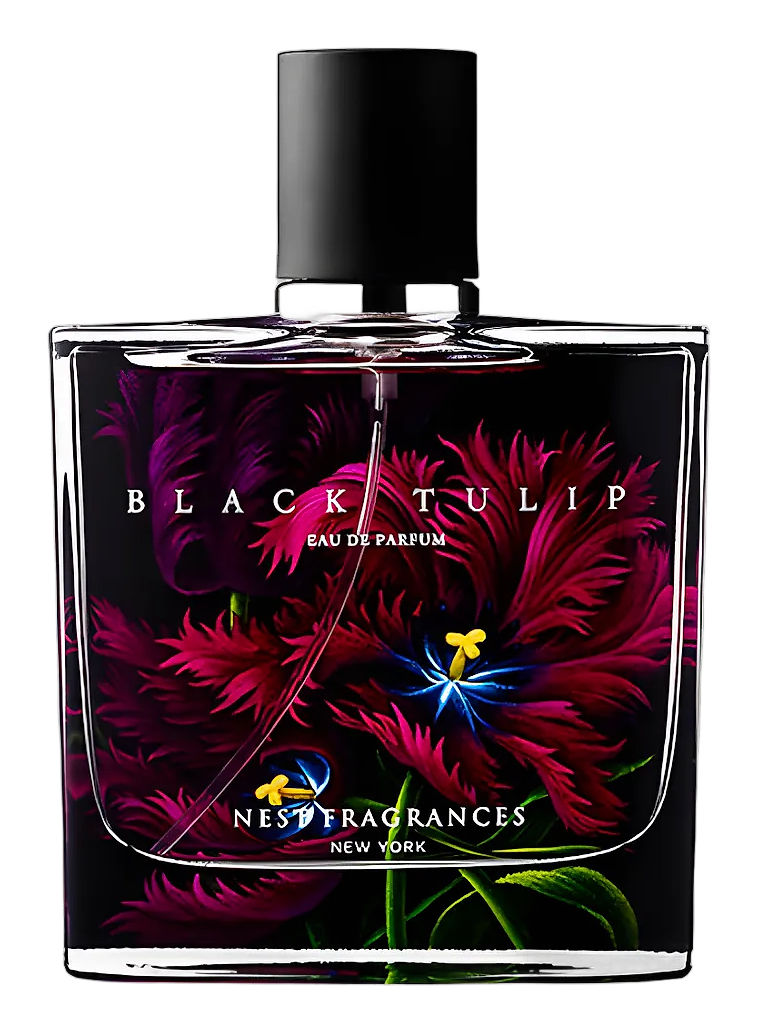
Black Tulip arrived in 2016 as NEST New York's take on a flower that has never quite belonged to the modern world. The tulip originated in Central Asian mountains, spent centuries enchanting Ottoman emperors, then sent Dutch traders into a speculative frenzy so intense it collapsed an entire market. The black variety was always a myth first, a horticultural obsession, not quite real, too striking to ignore. NEST reached for that tension: the seductive, the slightly forbidden, the bloom that announces itself before it opens.
What makes Black Tulip work is its refusal to be one thing. The plum and black cherry provide the ripeness, fruit that feels hand-warm, not supermarket-cold. Japanese violet and Indonesian jasmine anchor the florals in something green and slightly indolic, a hint of the flower's actual biological purpose: attraction. Pink peppercorn keeps the whole composition from settling into sweetness. The patchouli is where the fragrance earns its name, dark, loamy, the soil the bulb came from and the earth the tulip returns to at season's end.
The evolution
The opening hits bright and juicy, plum skin, a brief burst of pink pepper, the sense of something about to bloom. Within minutes the violet takes over, not the powdered violet of vintage perfumes but something darker, more petal-dense. The jasmine emerges around the 20-minute mark, pushing the composition green and animal, a pivot that surprises anyone expecting a linear fruity-floral. By hour two, the patchouli has fully arrived, wrapping the drydown in something loamy and warm that stays close to the skin. Six to eight hours later, on fabric, a ghost of plum and violet remains, the sheets, not the garden.
Cultural impact
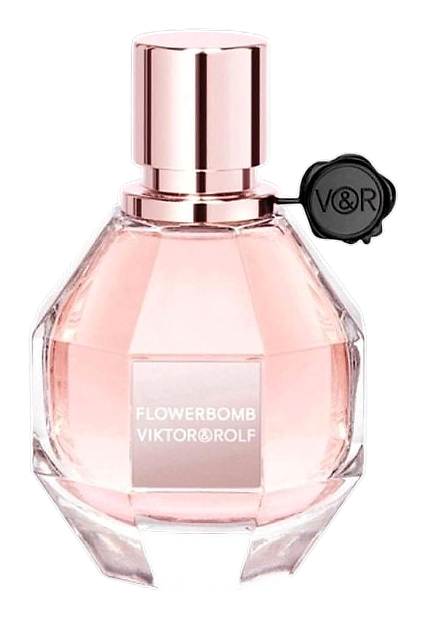
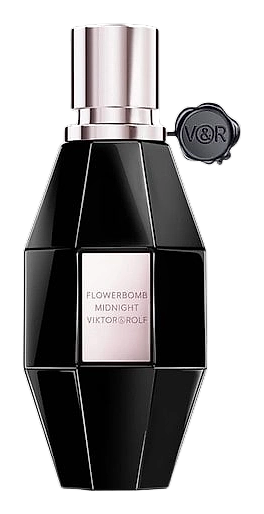
NEST New York occupies a particular corner of American fragrance culture: accessible enough for impulse buys, composed enough to earn shelf space next to heavier European houses. Black Tulip, from 2016, sits in that sweet spot between mass and niche, a fruity-floral with enough patchouli depth to feel distinctive, without the conceptual overhead of a niche label. Wearers consistently describe it as the fragrance of someone who doesn't need to explain herself. Comparable in spirit to Viktor & Rolf's Flowerbomb, though Black Tulip leans darker and earthier rather than explosive.