
The Story
Why it exists.
The beginning
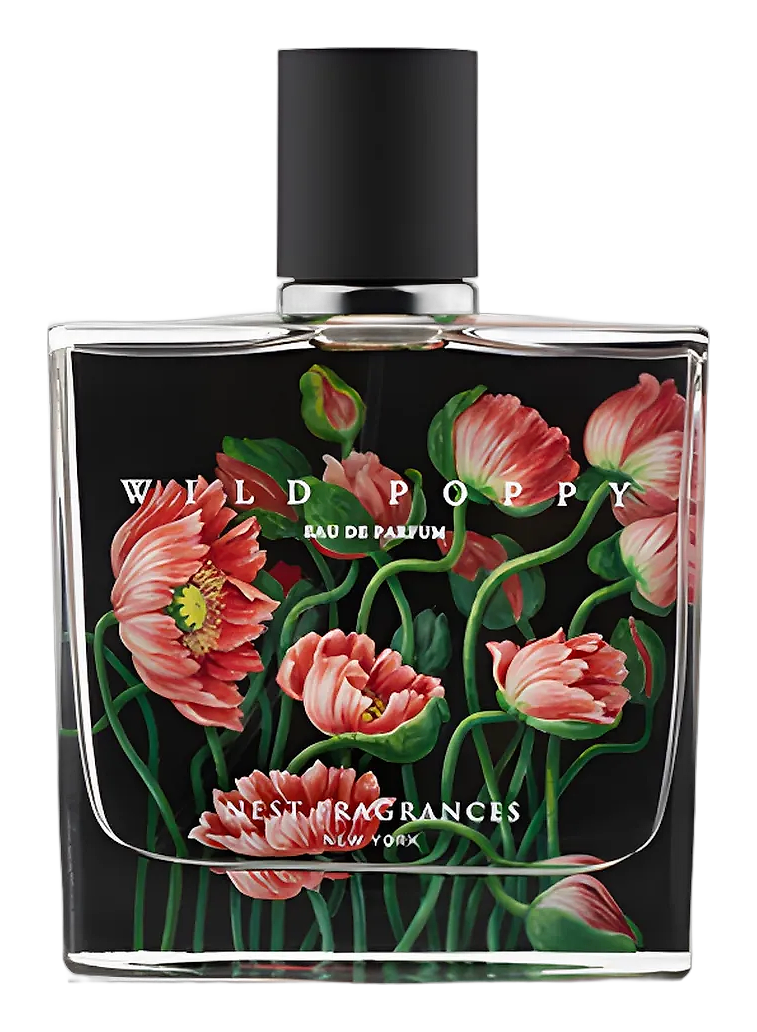
Jérôme Epinette built Wild Poppy around a single idea: the moment a poppy flower opens. Not the pretty postcard version, the real thing. A bud tight as a fist one morning, fully alive by afternoon. Fruity, yes. But Wild Poppy is built around a different kind of intention. Rose de Grasse and Himalayan jasmine anchor the composition in something real, not decorative florals. The scent itself lives in a space between brightness and depth, where the initial fruit notes give way to florals that feel grounded rather than fleeting. There's a particular quality to how these ingredients interact, giving the fragrance a substance that goes beyond the typical fruity-floral formula.
What makes Wild Poppy interesting isn't any single ingredient, it's the way the structure refuses to follow the rules. The longevity surprises people who expect it to fade where others hold. The pear acts as the structural spine, juicy and slightly tart, holding the whole composition together through the heart and into the drydown. When the rose deepens and the apricot turns creamy, the pear is still there, still adding that tartness that keeps everything from going flat. It's this unexpected continuity that gives Wild Poppy its character, nothing fades, nothing disappears.
The evolution
Wild Poppy opens tart and bright, pear leading with the kind of juiciness that doesn't smell like candy. Apricot follows warm and full. Raspberry is the quick cameo, a flicker of brightness that vanishes before you can name it. Within twenty minutes the rose takes over, richer and greener than expected, while the jasmine arrives as a whisper rather than a declaration. The handoff happens smoothly, nothing jarring, the fruit fading into florals like a late afternoon light. The drydown is where this fragrance earns its keep. Apricot turns creamy, almost dreamy, and the rose holds on longer than most hearts do. Moderate sillage throughout, close enough to notice, never announcing itself.
Cultural impact
Wild Poppy has quietly become one of NEST New York's most-reached-for fragrances, not a statement scent, but a daily habit for people who want something that works without asking for attention. The fragrance occupies a particular corner of the fruity-floral category: less aggressive than most department-store florals, more interesting than the safe choices. It's the fragrance people describe as my real signature, the one they reach for on good days and bad, the one that smells like a specific version of themselves. Spring and summer drive the most conversation around it, though the apricot drydown earns it year-round wear for many.