Himalayan jasmine
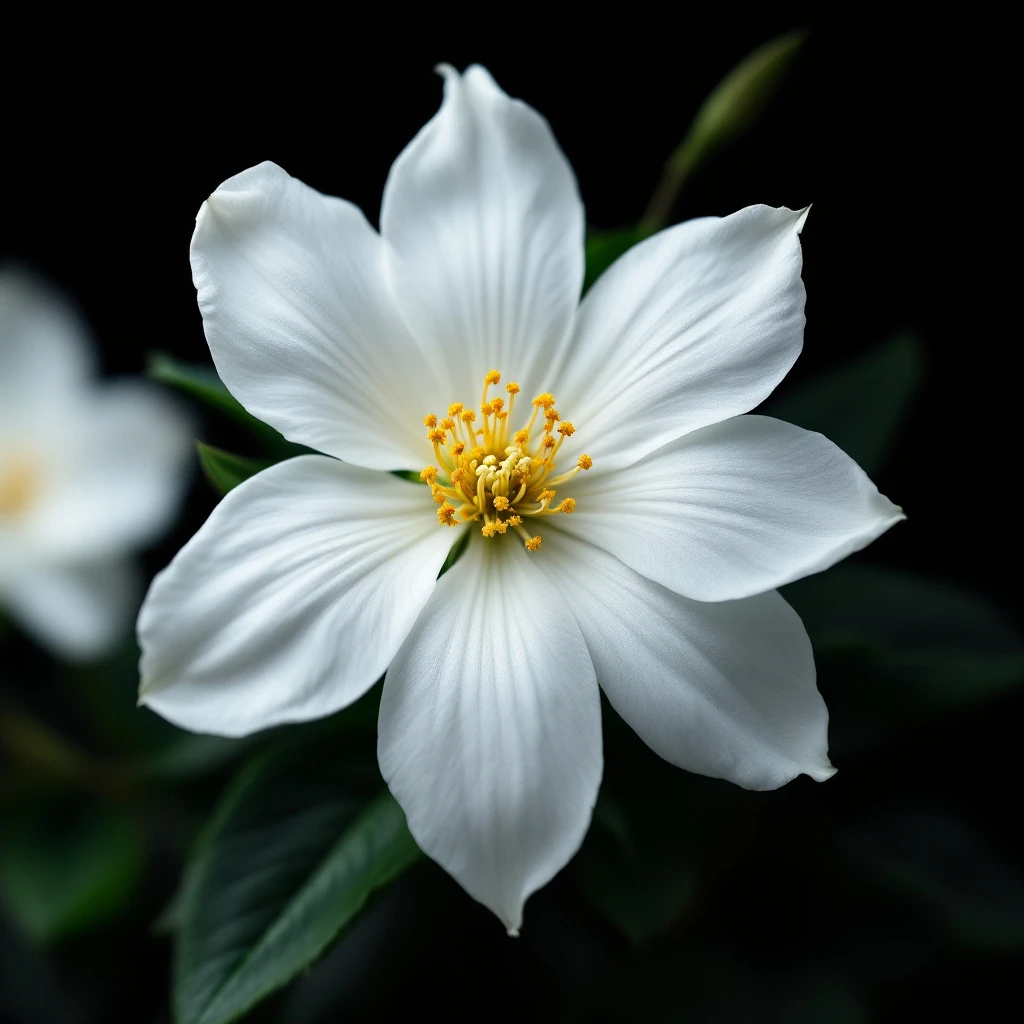
High-altitude jasmine grown in the shadow of the world's highest peaks. Himalayan jasmine develops extraordinary aromatic complexity in the thin mountain air, producing a scent that is at once lush and crystalline, deeply sensual yet refreshingly cool.
Character
How it smells
The rare jasmine that grew above the clouds.
One kilogram of Himalayan jasmine absolute requires roughly eight million hand-picked blossoms, harvested before dawn when the flowers release their oils.

Origin
India
References to jasmine appear in Sanskrit Ayurvedic texts dating to around 300 BCE, with manuscripts from the Himalayan region describing jasmine oil as a sacred substance used in spiritual ceremonies. Buddhist monks carried jasmine cuttings along the ancient Silk Road routes that passed through Himalayan valleys, introducing the flower to Tibet, China, and Southeast Asia.
By the Mughal period in the 16th century, jasmine had become a fixture in the perfumed gardens of Kashmiri and Punjabi courts, where it was woven into garlands and infused into attars. The British colonial era saw systematic cultivation expand in the Himalayan foothills, with Indian jasmine entering European trade networks for the first time.
Grasse perfumers, already masters of tropical jasmine, prized the Himalayan variety for its distinctive green edge, recognising it as a separate olfactory material rather than a regional variant of the same scent. Today, jasmine harvested in the hills above Dehradun and in the Kullu district remains one of the most sought-after but least widely distributed ingredients in fine perfumery, produced in quantities too small for mass-market fragrance but essential to the craft of luxury fragrance houses.
Wears it best
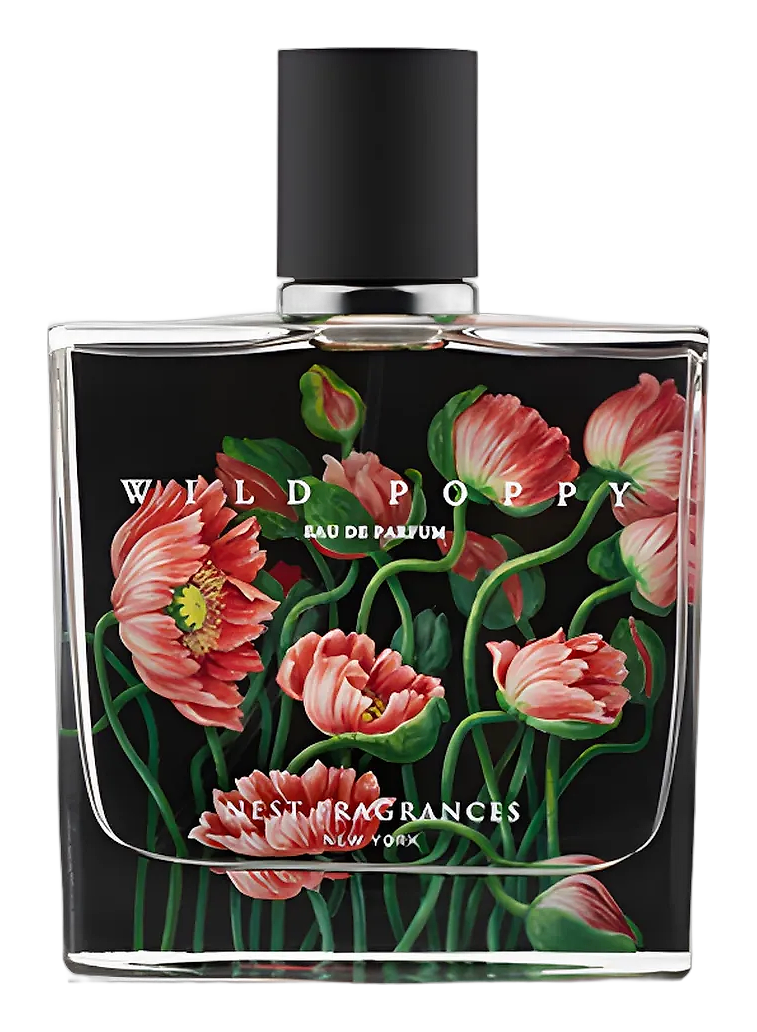
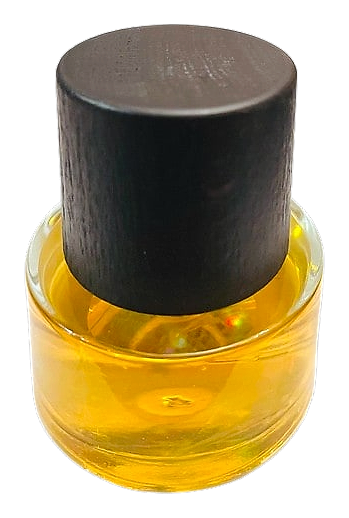
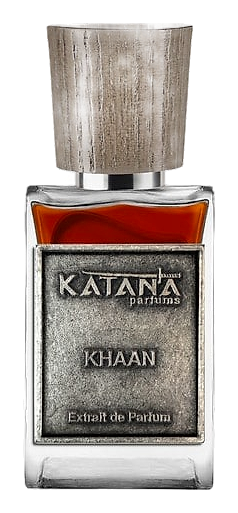
Fragrances featuring Himalayan jasmine
Brands
Brands known for Himalayan jasmine
Good to know
Questions, answered
The essentials on Himalayan jasmine in perfumery: how it smells, where it comes from, and how it behaves on skin.
What makes Himalayan jasmine different from jasmine grown elsewhere?
High-altitude cultivation produces a jasmine with a stronger green, almost camphoraceous top note and exceptional tenacity. The temperature swings and thinner air stress the plants, concentrating aromatic compounds that give Himalayan jasmine a cooler, more complex character than tropical varieties.
Why is Himalayan jasmine so expensive?
The yield is extremely low. It takes roughly eight million hand-picked flowers to produce one kilogram of absolute. Limited cultivation area in remote mountain valleys, combined with the need for rapid post-harvest processing, makes this one of the rarest natural jasmine materials in perfumery.
Is Himalayan jasmine used in any well-known fragrances?
Several luxury houses specify Himalayan jasmine absolute in their haute perfumery lines, though exact formulas remain proprietary. It is most commonly found in niche fragrances that emphasise natural materials over synthetic substitutes.
How is Himalayan jasmine harvested?
Flowers are picked by hand in the early morning, before the sun warms the petals. Cool-temperature harvest preserves volatile oil compounds that would otherwise evaporate. Processing begins within hours of picking to prevent oxidation and preserve the absolute's quality.
What does Himalayan jasmine smell like?
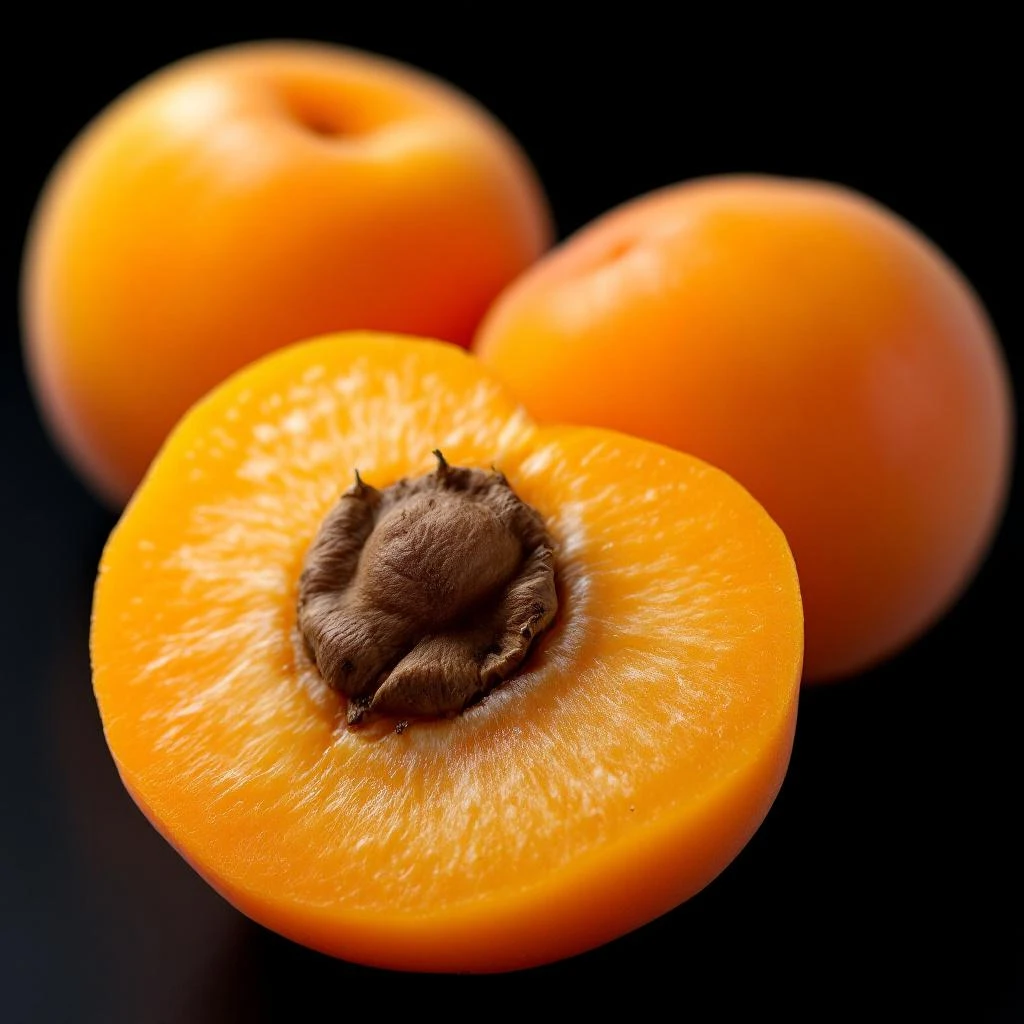
The scent opens with a luminous white-floral sweetness, followed by a distinctive green, slightly bitter edge reminiscent of crushed stems. The dry-down is warm, indolic, and honeyed, with lingering fruity notes of banana and apricot. Himalayan jasmine tends to retain a cooler, more austere quality compared to tropical jasmine's richness.
Is the jasmine in most fragrances natural or synthetic?
Most commercial fragrances use synthetic jasmine materials such as Hedione or Galaxolide, which mimic jasmine's scent profile reliably and affordably. Natural Himalayan jasmine absolute appears almost exclusively in artisanal and luxury niche fragrances where the full complexity of natural botanical materials justifies the cost.
What compounds give Himalayan jasmine its characteristic scent?
Benzyl acetate contributes the fruity, banana-like top note. Linalool adds a soft, floral sweetness. Indole provides the deeper, animalic quality in the dry-down. The specific ratio of these compounds varies with altitude, harvest timing, and soil conditions unique to Himalayan cultivation.
Can Himalayan jasmine be grown outside the Himalayas?
Jasmine can grow in other warm climates, but altitude and the resulting temperature stress appear essential to producing the distinctive green notes and enhanced compound concentration that characterise Himalayan jasmine. Plants cultivated at lower elevations in India, Egypt, or Morocco produce jasmine absolute with a different, softer aromatic profile.