Siberian deer musk
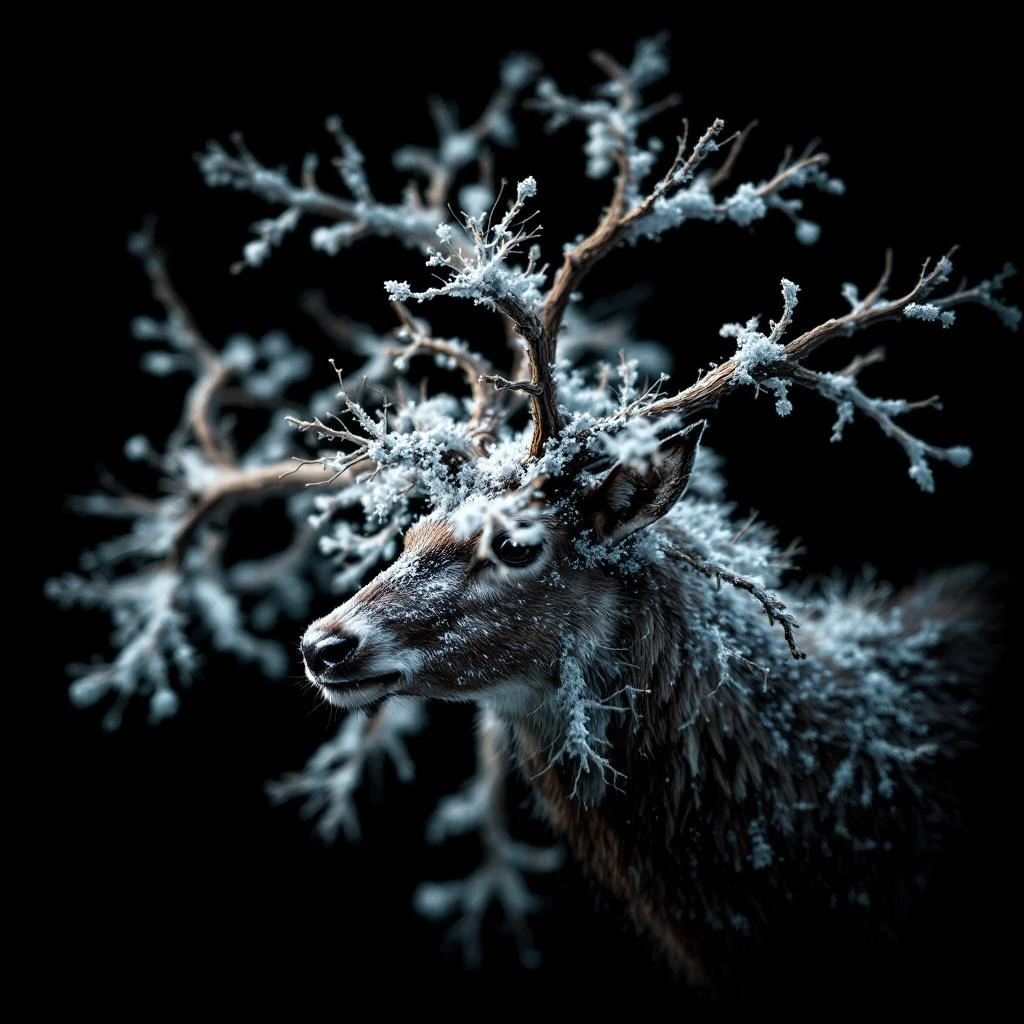
Siberian deer musk delivers a raw, animalic pulse that anchors modern blends, echoing the wild steppes where the musk deer roams. Its dense, slightly sweet amber hue adds depth and longevity to fragrance compositions.
Character
How it smells
Pure wildness captured from Siberia’s musk deer.
A single mature male Siberian musk deer can produce up to 30 g of raw musk over its lifetime, yet traditional perfumery historically required only a few grams to scent a whole bottle.




Origin
Russia
The use of musk traces back to the third millennium BC, when Sumerian traders recorded a fragrant resin from the far east that later scholars identified as animal musk. Greek explorers carried the material along the Silk Road into the Mediterranean by the 6th century, where it quickly became a staple in Byzantine incense and luxury perfumes. Arab chemists refined extraction techniques in the 9th century, adding alcohol to stabilize the scent for transport.
By the 13th century Chinese courts prized Siberian musk for its ability to mask unpleasant odors in imperial chambers. European aristocracy embraced the note after the Crusades, and by the 18th century it appeared in royal colognes across France and England. The high price and limited supply spurred early attempts at imitation, leading to the first synthetic musk compounds in the late 19th century.
Today, the note remains a symbol of opulence, while conservation agreements limit its harvest to protect the dwindling musk deer populations.
Wears it best
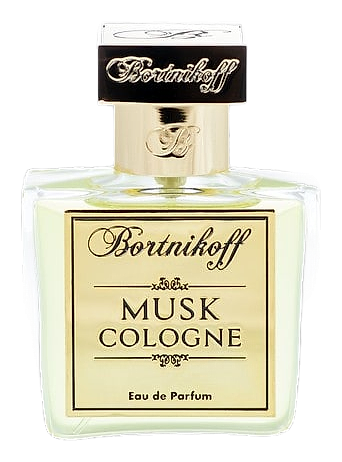
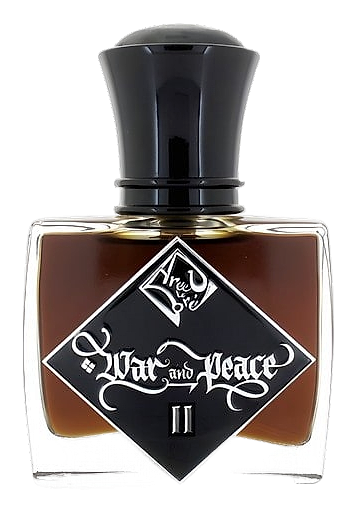
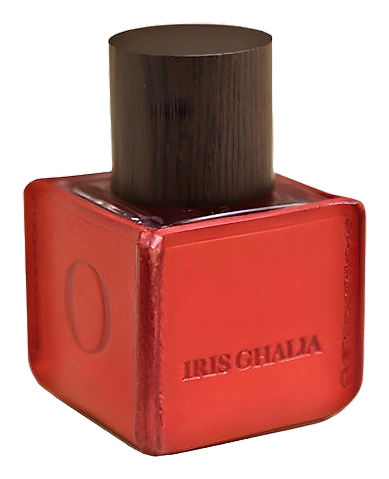
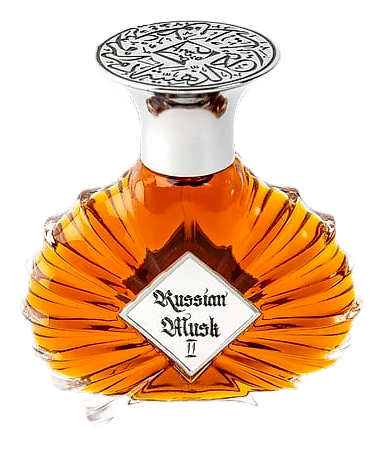
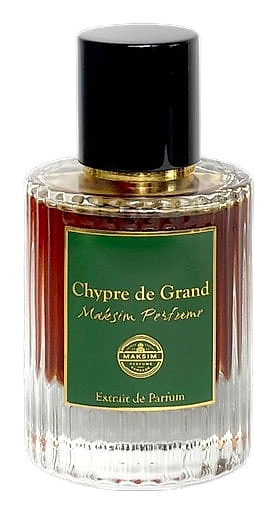
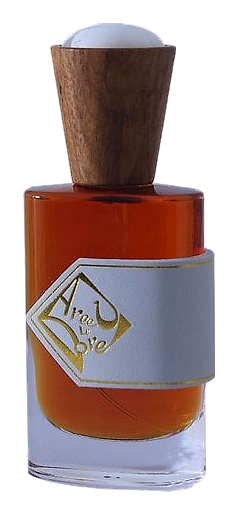
Fragrances featuring Siberian deer musk
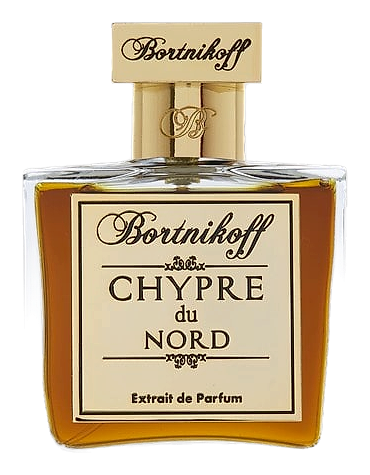
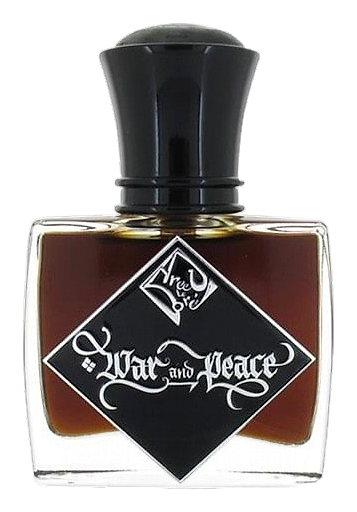
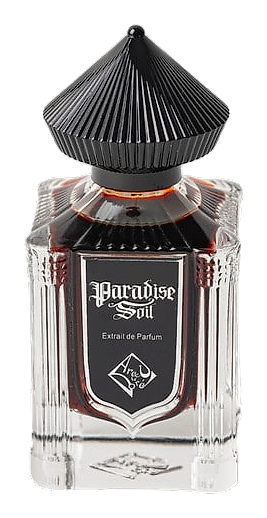
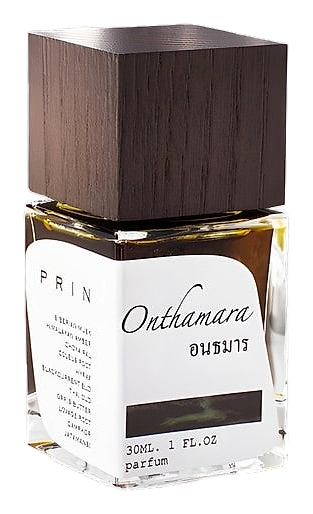
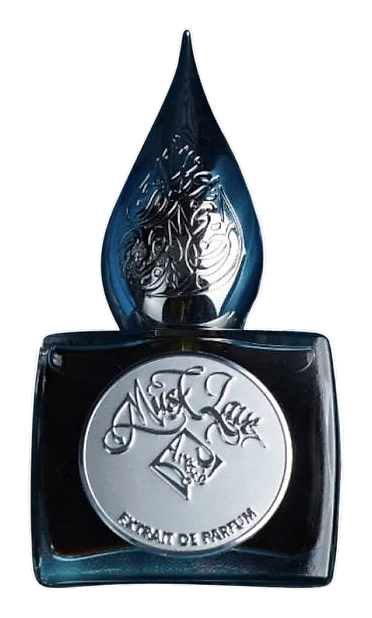
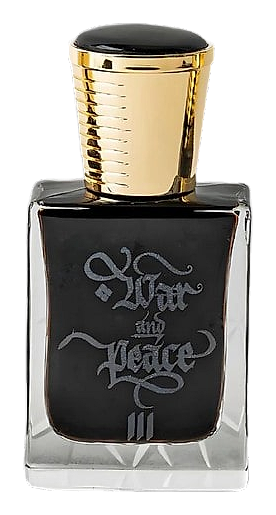
Brands
Brands known for Siberian deer musk
Good to know
Questions, answered
The essentials on Siberian deer musk in perfumery: how it smells, where it comes from, and how it behaves on skin.
What does Siberian deer musk smell like?
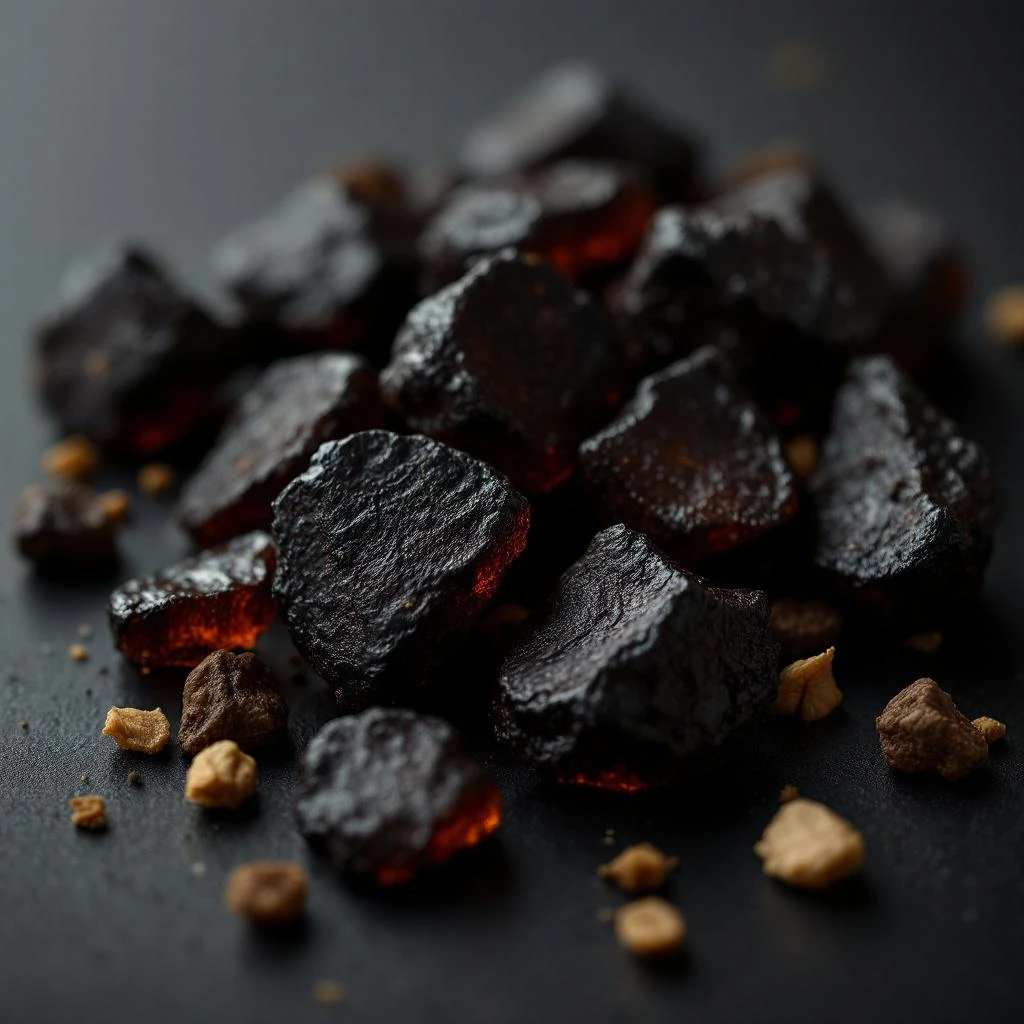
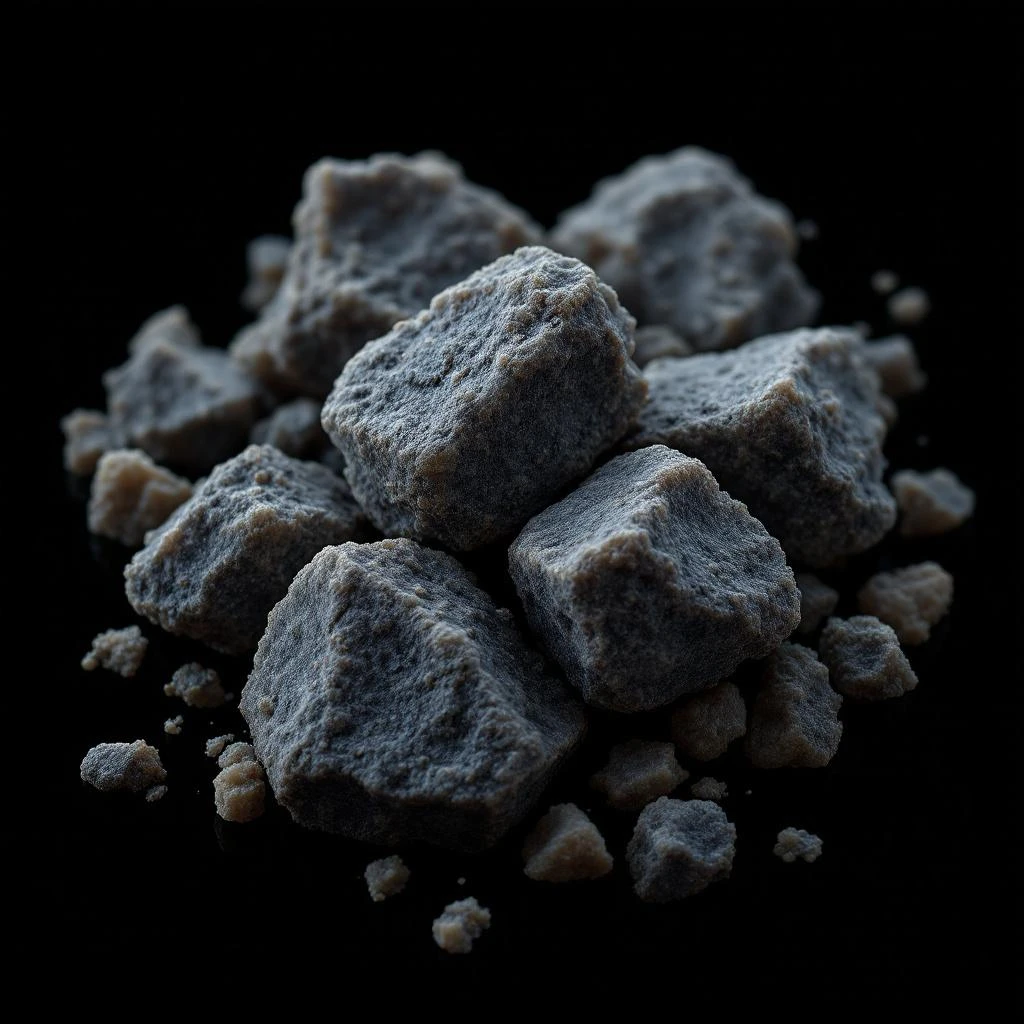
Siberian deer musk presents a warm, animalic core with hints of sweet amber and faint earthiness. Perfumers note a dry, slightly powdery finish that steadies brighter notes. A 2020 sensory panel recorded an average intensity rating of 7.2 on a 10‑point scale.
How is Siberian deer musk harvested?
Harvesters collect the gland from mature male musk deer during the autumn rut. The gland is removed, cleaned, and left to dry in a cool, ventilated space for several months. In 2015, Russian wildlife reports documented 1,200 legal harvests across the Altai region.
Is natural Siberian deer musk still used today?
Natural Siberian deer musk appears in a limited number of niche fragrances today. Conservation rules and high cost have pushed most houses toward lab‑crafted alternatives. The International Union for Conservation of Nature listed the species as vulnerable in its 2022 Red List.
Why is Siberian deer musk regulated?
Regulation protects the musk deer population and curbs illegal trade. CITES includes the species in Appendix II, requiring export permits for any raw gland. In 2019, customs seized 4.3 kg of undeclared musk in a single shipment bound for Europe.
How does musk affect a perfume’s longevity?
Musk extends a perfume’s wear time by anchoring volatile molecules to skin oils. Its low evaporation rate creates a lingering base that can last up to 12 hours on the wrist. Laboratory tests in 2021 showed a 35 % increase in overall scent persistence when 2 % natural musk was added.
Can synthetic musk replicate the natural note?
Synthetic musks mimic the dry, powdery facet of the natural note but lack its subtle animalic depth. Compounds such as galaxolide and cashmeran reproduce the amber‑sweet side while remaining stable in modern formulas. A 2018 blind test reported a 68 % preference for natural over synthetic among trained evaluators.
Which perfume families rely on musk most?
Oriental and woody perfume families rely heavily on musk to provide a grounding backbone. The note blends seamlessly with amber, sandalwood, and spice accords, creating a cohesive dry down. Market data from 2022 shows musk appears in 42 % of top‑selling oriental fragrances.
Where can one find authentic Siberian deer musk?
Authentic Siberian deer musk is sourced primarily from the Altai and Sayan mountain ranges of Russia. Certified suppliers must provide CITES documentation and proof of sustainable harvest. In 2021, the Russian Ministry of Natural Resources recorded 1,045 legally exported kilograms of processed musk.