Saudi Arabian Taif Rose
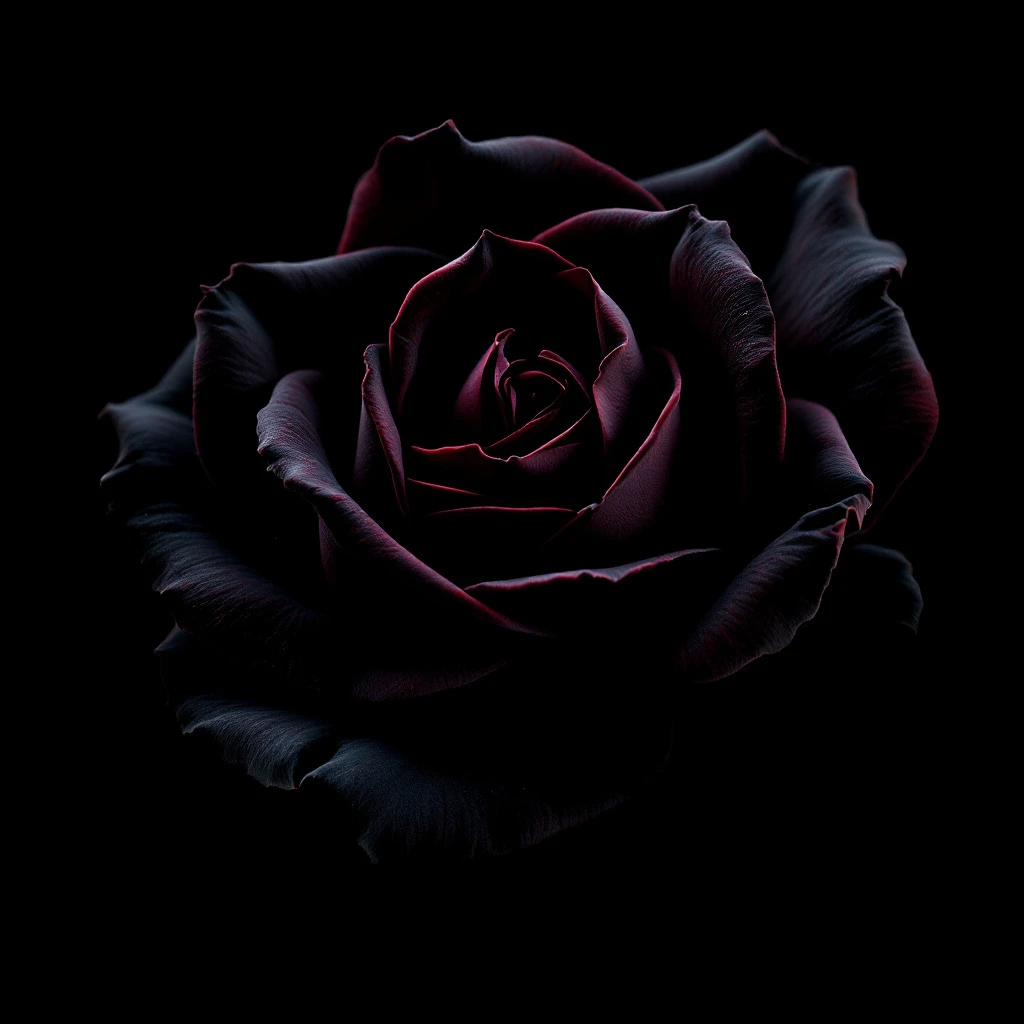
Radiant, honeyed, and spiced with intention. The Taif Rose draws its character from Saudi Arabia's western highlands, where altitude and desert air concentrate its petals into something rare.
Character
How it smells
Arabian refinement pressed into petals
One kilogram of Taif Rose oil requires roughly 3.5 million handpicked petals to produce.


Origin
Saudi Arabia
Rose cultivation in the Taif region traces back at least two centuries, rooted in the terraced gardens carved into the Hijaz highlands. The combination of elevation, volcanic soil, and dramatic temperature swings between day and night created conditions that transformed ordinary Damask rose genetics into something distinctly expressive. Al-Kindi documented Arab rose water distillation in the ninth century, noting practices that predate many European perfumery traditions by centuries.
Regional trade routes likely carried Damask rose genetics into the Arabian Peninsula through Ottoman-era connections. Once established in the western highlands, the plants adapted to their new environment with remarkable success. The Hijaz mountains had long served as a crossroads of civilization, and the rose fit naturally into this landscape of exchange and refinement.
Historical accounts record Taif rose in use among Umayyad and Abbasid caliphs, who prized it for both ritual and status. Rose water cooled the desert air in court interiors, while rose attar marked the presence of power and cultivation. The connection to sacred spaces remained constant. Roses traveled annually to the Grand Mosque in Mecca, their fragrance deemed appropriate for environments of worship and gathering.
Arabic perfumery developed as a formal discipline alongside these traditions. The attars and rose waters of Taif became ingredients in compositions prepared for religious observance, social celebration, and personal adornment. This heritage shaped what became global perfumery, as Arabian trade and scholarship carried aromatic knowledge across continents.
Today, Taif rose persists as a marker of regional identity and craft tradition. The annual harvest draws communities together, maintaining practices that connect present generations to centuries of accumulated knowledge about this singular flower.
Wears it best
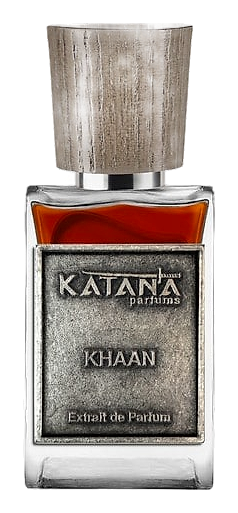
Fragrances featuring Saudi Arabian Taif Rose
Brands
Brands known for Saudi Arabian Taif Rose
Good to know
Questions, answered
The essentials on Saudi Arabian Taif Rose in perfumery: how it smells, where it comes from, and how it behaves on skin.
What distinguishes Taif Rose from Bulgarian Rose Otto in scent?
Taif Rose presents a warmer, more honeyed character with prominent spice notes, while Bulgarian Rose Otto reads fresher with green and minty undertones. The Saudi highland origin creates a depth and complexity that many perfumers describe as more exotic.
Why is Taif Rose considered one of the world's costliest rose oils?
Taif Rose comes from a single highland region in Saudi Arabia, limiting supply to roughly 10-15 kilograms annually. The hand-harvesting requirement, combined with 3.5 million petals per kilogram of finished oil, drives premium pricing.
What fragrance families pair well with Taif Rose?
Taif Rose works as a heart note and fixative in oriental, amber, and floral compositions. It adds warmth to citrus top notes, grounds marine or green accords, and brings depth to woody or chypre structures.
How does the Taif growing region affect the rose's aroma profile?
Elevations between 1,800 and 2,200 meters in the Hijaz mountains create dramatic temperature shifts that stress the plants and concentrate aromatic compounds. Volcanic soil and intense sunlight add mineral and spice nuances to the honeyed floral base.
When does the annual Taif Rose harvest occur?
The harvest window spans approximately two to three weeks in April. Picking begins at sunrise when dew still clings to petals, preserving volatile oils before daytime heat reduces their concentration.
Is synthetic Taif Rose oil available?
Synthetic alternatives exist for certain aromatic molecules found in Taif Rose, but the complete profile remains impossible to replicate. The hundreds of trace compounds in natural rose oil create its characteristic depth and evolution on skin.
What historical role did Taif Rose play in Arabian culture?
Rose cultivation in the region dates back centuries, with documented distillation practices from at least the ninth century. The flower served religious rituals, royal courts, and daily life, becoming deeply woven into Arabian cultural identity.
How should Taif Rose oil be stored?
Store Taif Rose oil in dark glass away from heat and direct sunlight. Cool, dark conditions preserve its volatile aromatic compounds and extend the oil's lifespan for years.





