Black Cherry
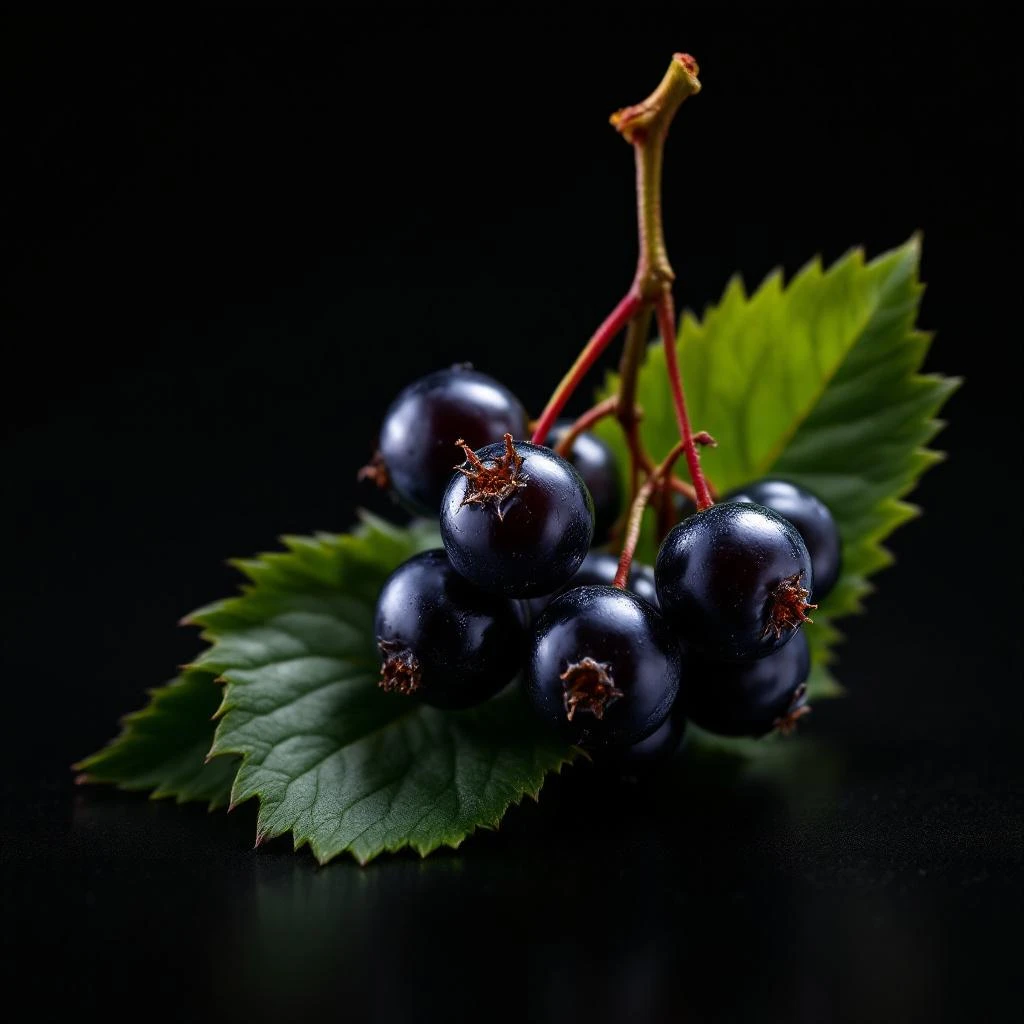
Black Cherry captures the deep, jammy sweetness of ripe stone fruit with tart edges. Perfumery uses both natural extracts and synthetics to recreate this beloved note, each offering different facets of the cherry experience.
Character
How it smells
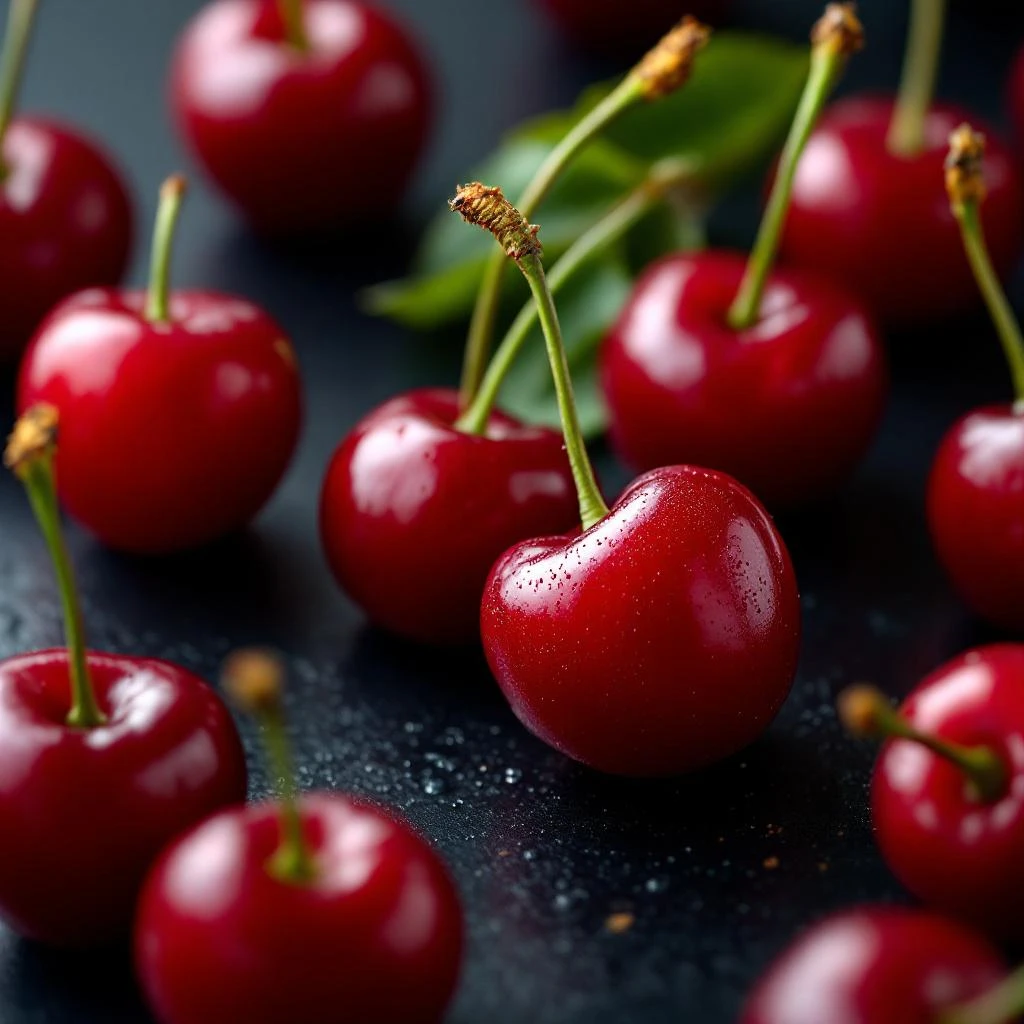
Ripe stone fruit, captured
Wild black cherry trees produce cyanide compounds in their pits as a defense mechanism, making the sweet fruit a deliberate offering to animals and humans alike.








Origin
North America
Black cherry as a fragrance note traces its roots to Prunus serotina, a species native to the forests of eastern North America. Indigenous peoples of the region used black cherry fruit long before European settlement, and early settlers adopted these traditions. The tree's bark had medicinal applications in early American folk medicine.
The fragrance industry began working with cherry compounds in the 19th century when chemists isolated benzaldehyde from cherry pits for flavor applications. This discovery laid groundwork for later synthetic work in perfumery. Natural black cherry absolute remains uncommon in modern perfumery due to extraction challenges, seasonal availability, and cost. Yet the note persists because its sweet-fruity character resonates across cultures as a universally appealing scent memory.
Wears it best
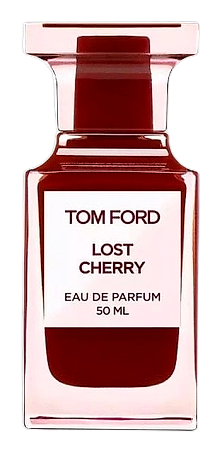
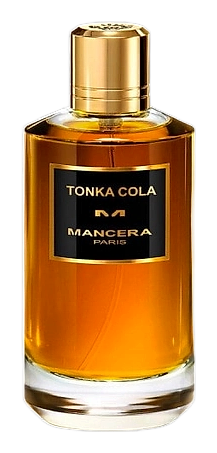
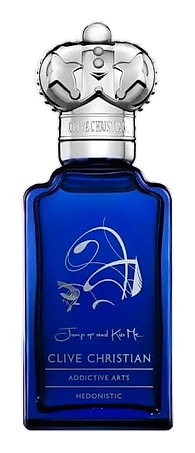
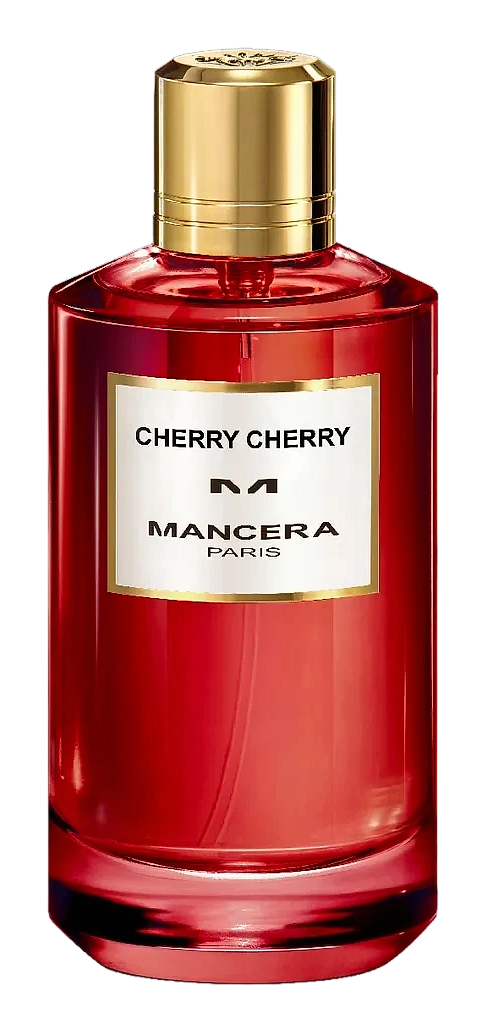
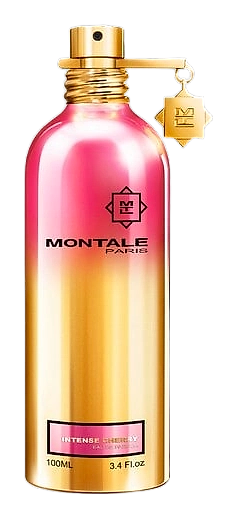
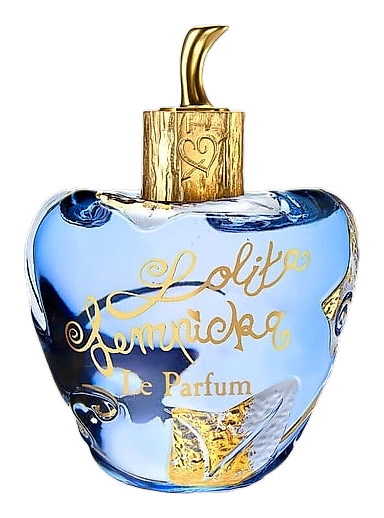
Fragrances featuring Black Cherry






Brands
Brands known for Black Cherry
Good to know
Questions, answered
The essentials on Black Cherry in perfumery: how it smells, where it comes from, and how it behaves on skin.
What does Black Cherry smell like in perfume?
Black Cherry smells like deep, jammy sweetness with ripe fruit character and tart edges. Natural extracts add green, slightly bitter complexity from the fruit's pits and stems. Synthetic versions deliver a cleaner, more approachable cherry that reads as sweet and fruity without the bitter undertone.
Is Black Cherry used in both men's and women's fragrances?
Yes, Black Cherry works across fragrance genders. In women's perfumes, it appears as a warm, jammy heart note. In men's fragrances, it shows up fresher and more vibrant, often paired with mint or citrus. The note's versatility comes from its ability to read as either sweet or tart depending on its companions.
When did Black Cherry first appear in perfumery?
Black Cherry became a prominent perfumery note in the 1990s alongside the rise of synthetic fruity accords. Earlier perfumers used cherry compounds sparingly due to cost and scarcity. The modern synthetic cherry bases developed during this period made the note widely accessible to fragrance designers.
What is the difference between natural and synthetic Black Cherry?
Natural Black Cherry absolute captures complex fruit character with subtle green and woody undertones. Synthetic Black Cherry recreates the main aromatic compounds more consistently and affordably. Most commercial fragrances rely on synthetics because natural extracts are expensive and variable. The difference matters most in niche or luxury fragrances where natural materials define the concept.
How do perfumers extract Black Cherry from the fruit?
Extractors use solvent extraction or cold pressing on Prunus serotina fruit to produce natural black cherry absolute. The method captures the fruit's aldehydes and aromatic esters. Most commercial production relies on synthetic recreation using benzaldehyde as the primary component, which gives black cherry its characteristic sweet-almond note.
Where does natural Black Cherry come from?
Natural Black Cherry derives from Prunus serotina, a wild cherry species native to eastern North American forests. The fruit grows from Canada through Florida and west to Texas. Some European and Asian cherry species also yield usable extracts, though Prunus serotina remains the primary source for perfumery.
Is Black Cherry safe to use in perfume?
Both natural and synthetic Black Cherry are considered safe at typical fragrance concentrations. IFRA regulations set usage guidelines that certified perfumers follow. The synthetic compounds used, particularly benzaldehyde, have been thoroughly evaluated for skin safety. Consumers with sensitivities should check individual product formulations.
What makes Black Cherry special compared to other fruit notes?
Black Cherry occupies a unique position among fruit notes because it combines sweetness with subtle bitterness from the fruit's pits. This duality creates olfactory complexity that simple sweet fruit notes lack. The note also bridges fresh and jammy interpretations, giving perfumers two distinct expressive ranges within a single ingredient family.