The Story
Why it exists.
The beginning
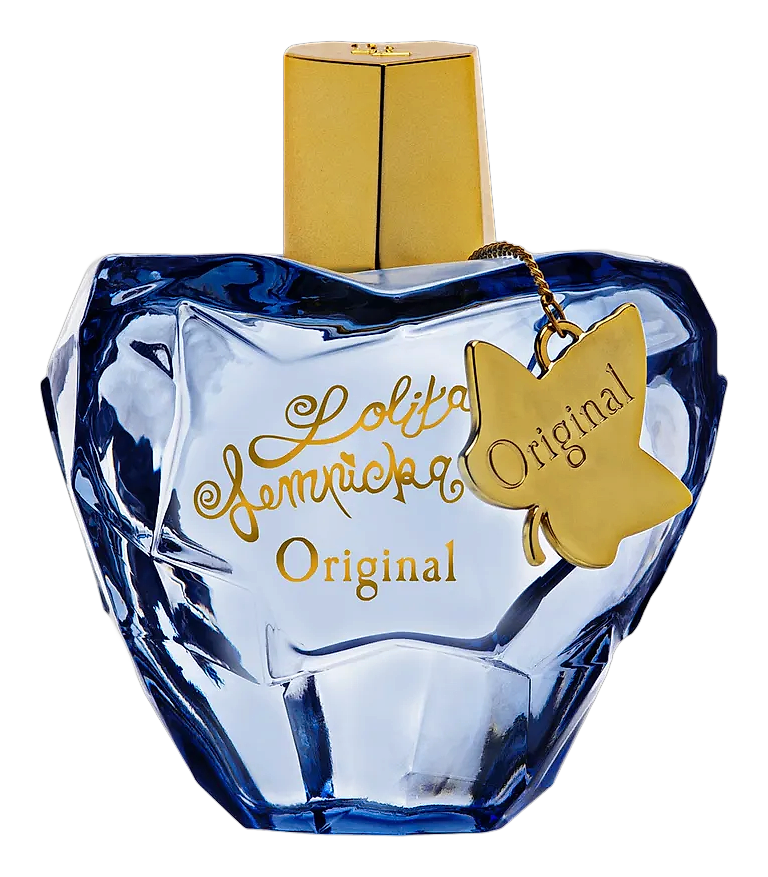
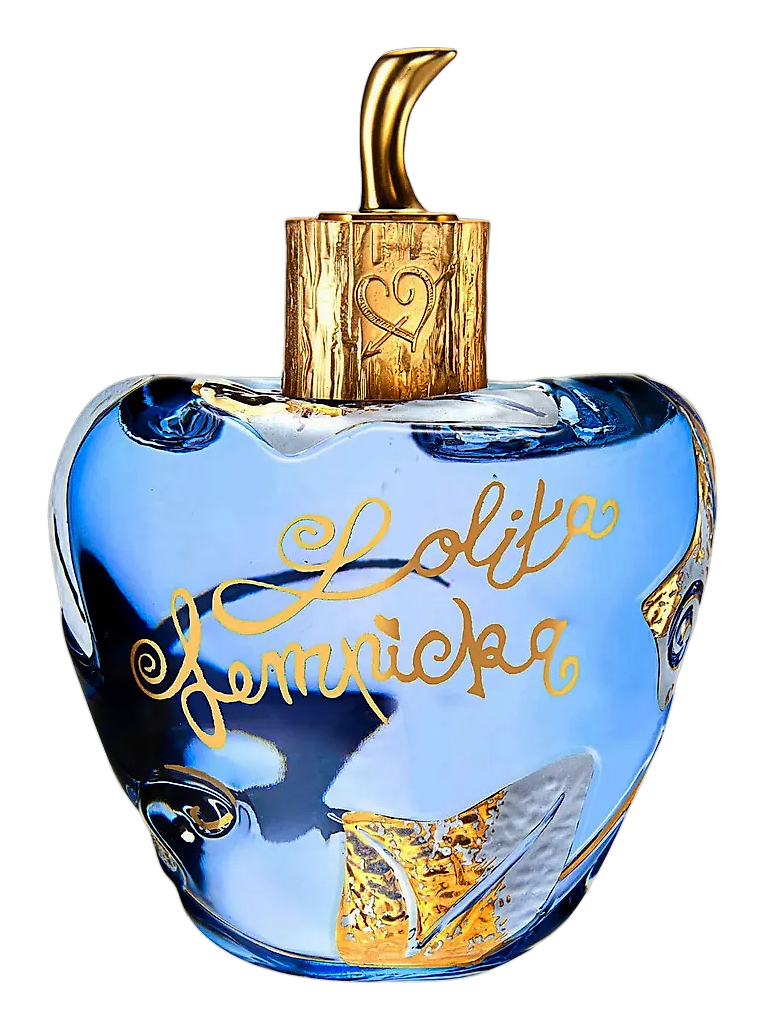
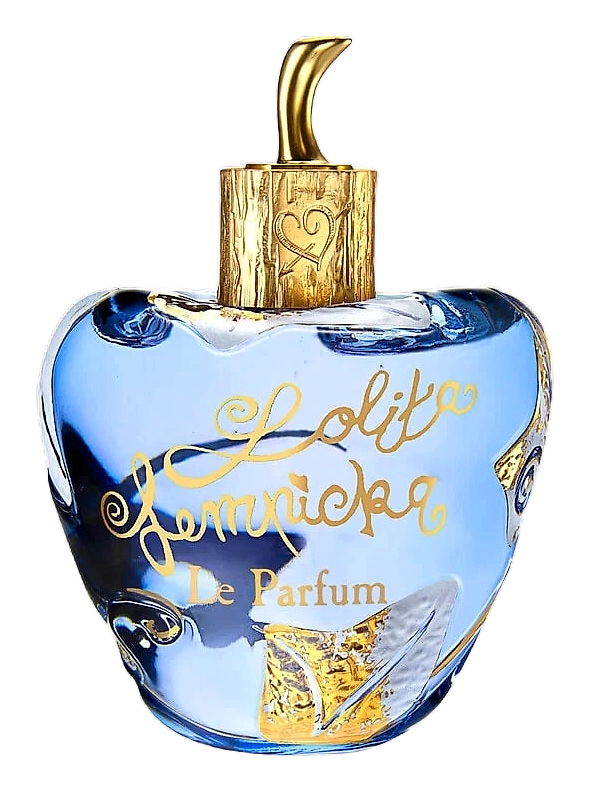
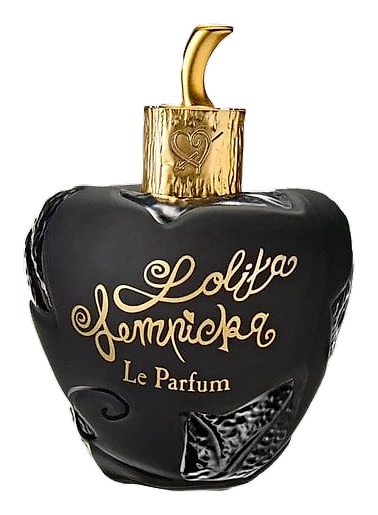
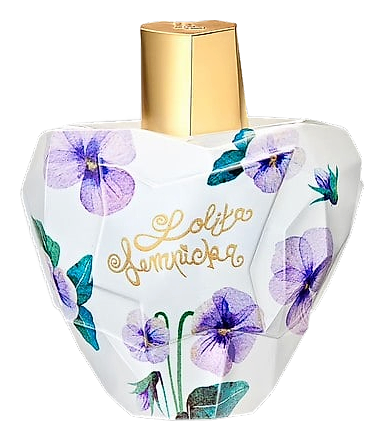
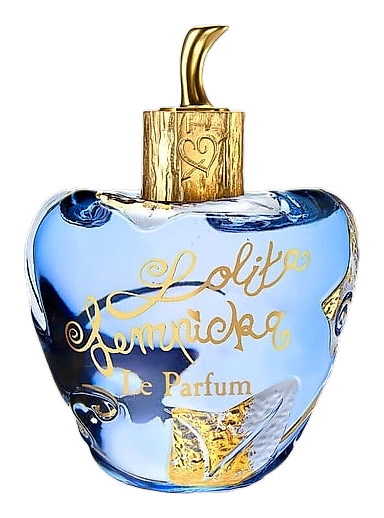
The 2021 flanker carries the same licorice-violet-anise signature that made the 1997 debut unforgettable. This is not nostalgia, it's continuity, the same story told with updated language. The opening arrives with anise, bright and assertive, before the violet powder and dark licorice settle into something warmer, more intimate. The composition holds that quality of being warm at the edges, a little strange at the center, and impossible to walk away from.
What makes this composition work is the tension between medicinal and gourmand. Anise is assertive. Cherry is sweet. Together they pull in opposite directions, until the violet and orris root arrive as reconcilers, softening the sharpness into something powdery and familiar. The tonka-bean drydown is where it all makes sense: the sweetness is still there, but it's settled, grounded, closer to skin than to air.
The evolution
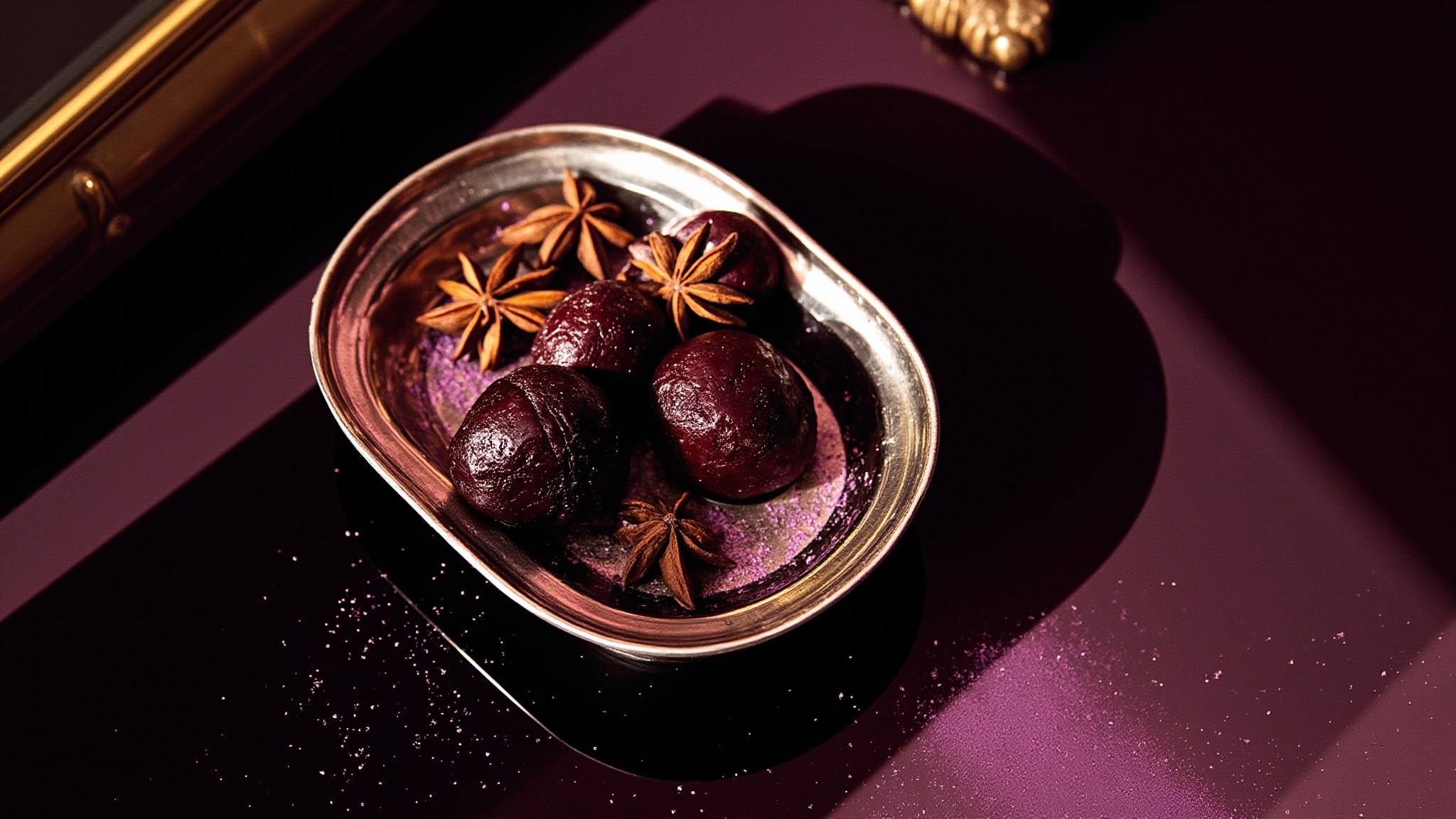
The first thirty seconds belong to anise. Not gentle, a bell-ringer. Then the Amarena cherry floods in, and the sharpness becomes something ripe, almost syrupy. Violet arrives quietly, spreading powder across the top like dust on a glass dome. The orris root is the quiet hand beneath all of it, keeping things earthy and feminine. By hour two, the licorice and tonka have taken over. The projection tightens. It becomes a skin scent, present only when someone is close enough to reach for you. White musk extends everything, softens everything, and the sweet note that anchors the dry down never quite announces itself, just lingers softly until morning.
Cultural impact
The original Lolita Lempicka (1997) staked its identity on anise and black licorice, a combination that stood apart from the fruity-floral mainstream of its time. That signature blend became a defining element for the house, giving it a recognizable character in a crowded market. The 2021 flanker carries forward the licorice-violet-anise framework while introducing Amarena cherry to the composition, a note that adds a syrupy darkness without disrupting the original's architecture. This approach of building on established foundations rather than starting fresh reflects a common strategy among houses with a distinct olfactory heritage.