






























Heritage
A house, in its own words
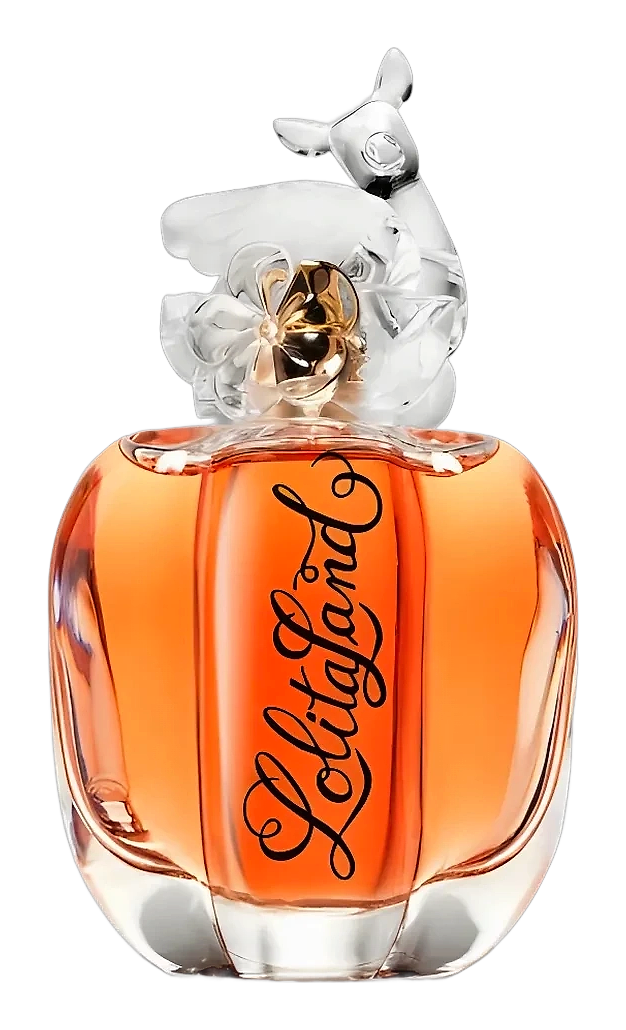
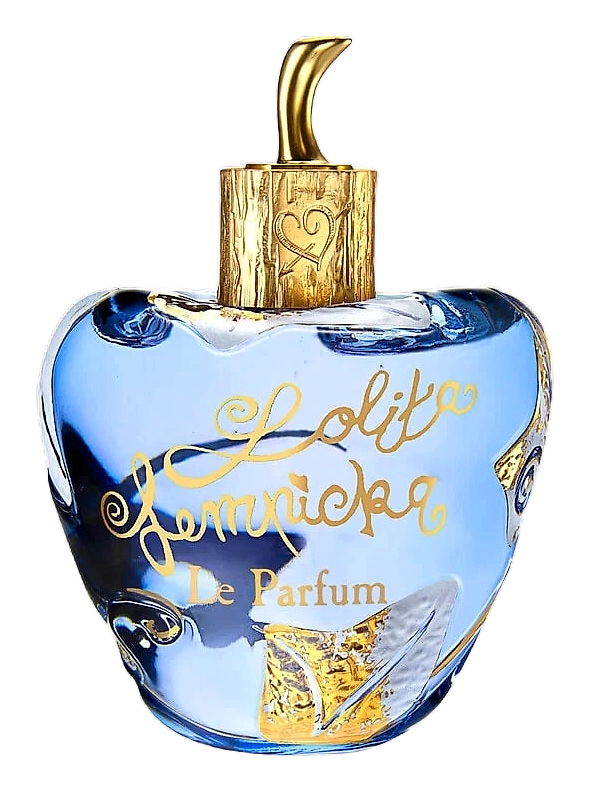
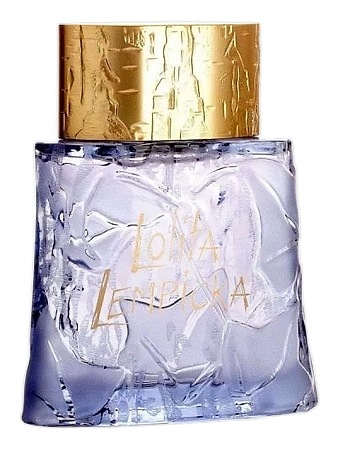
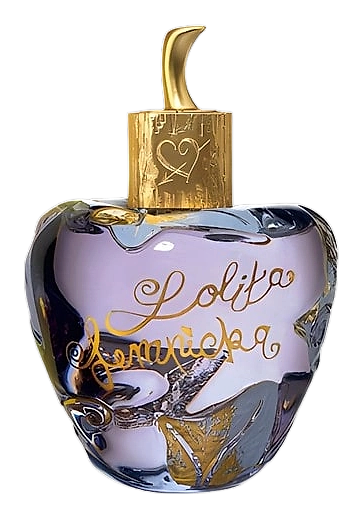
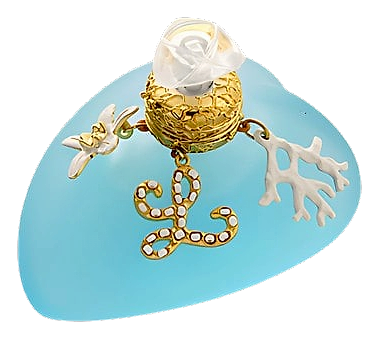
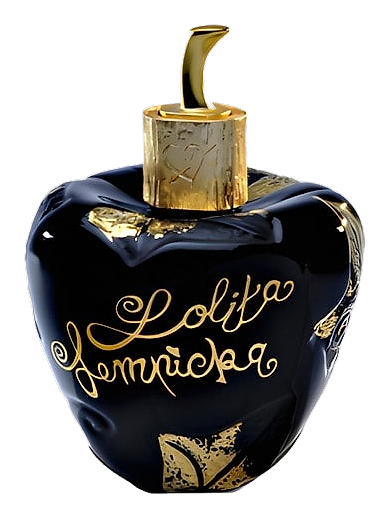
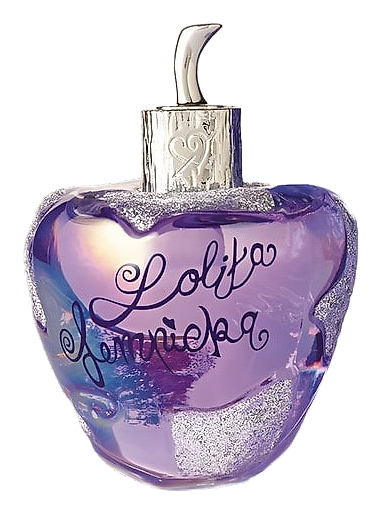
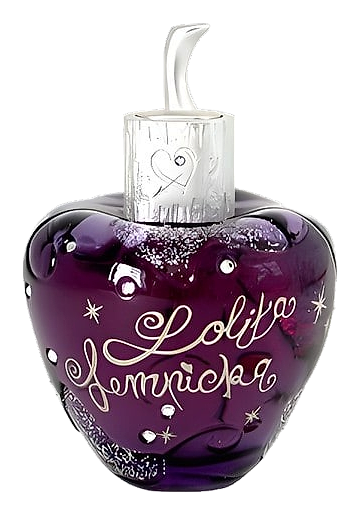
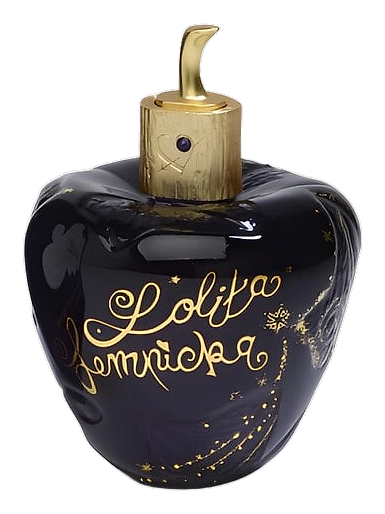
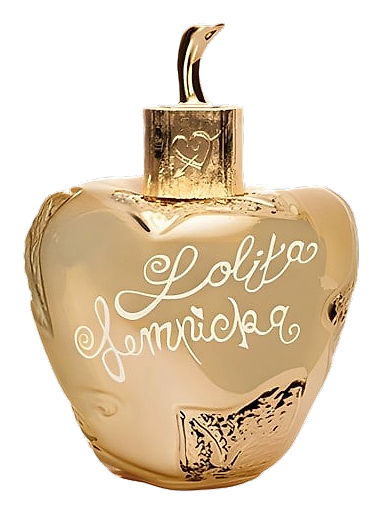
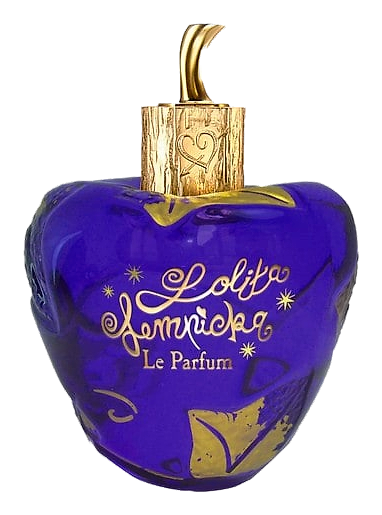
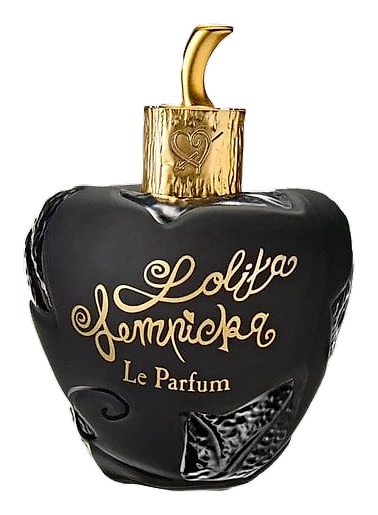
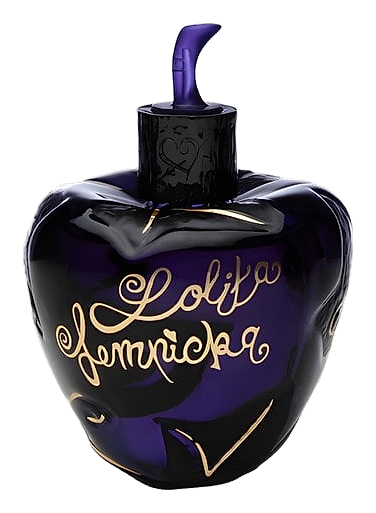
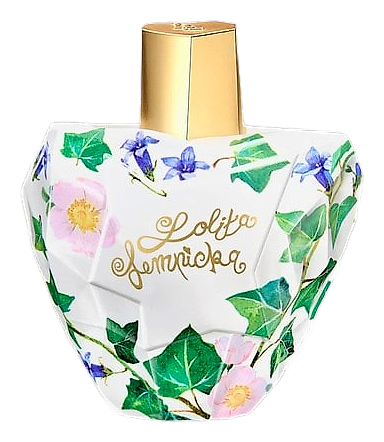
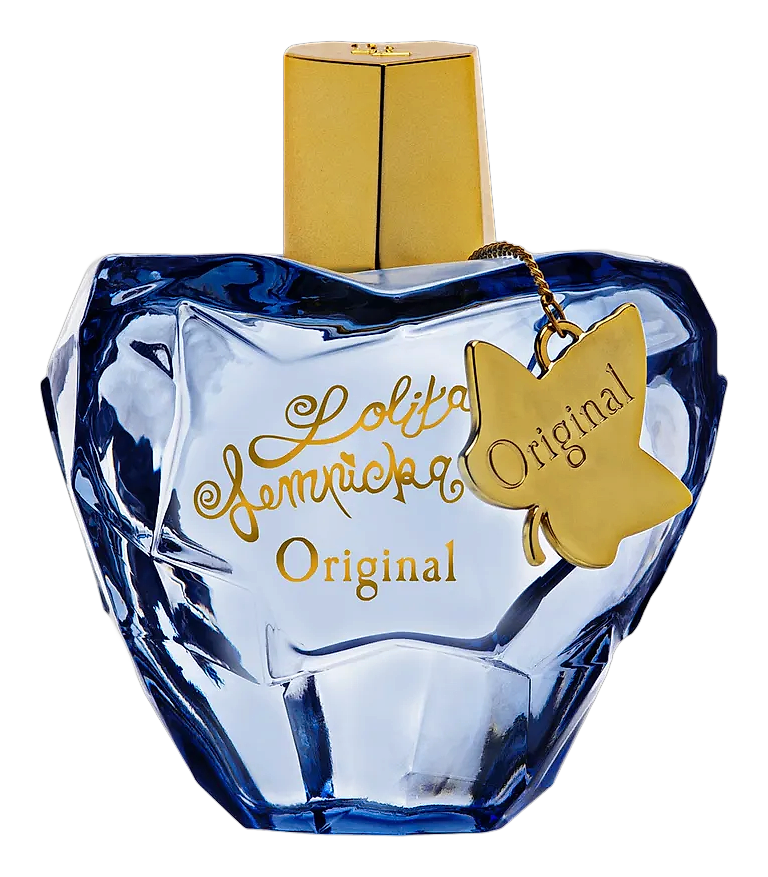
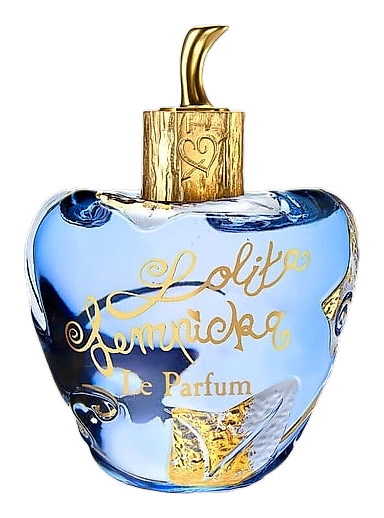
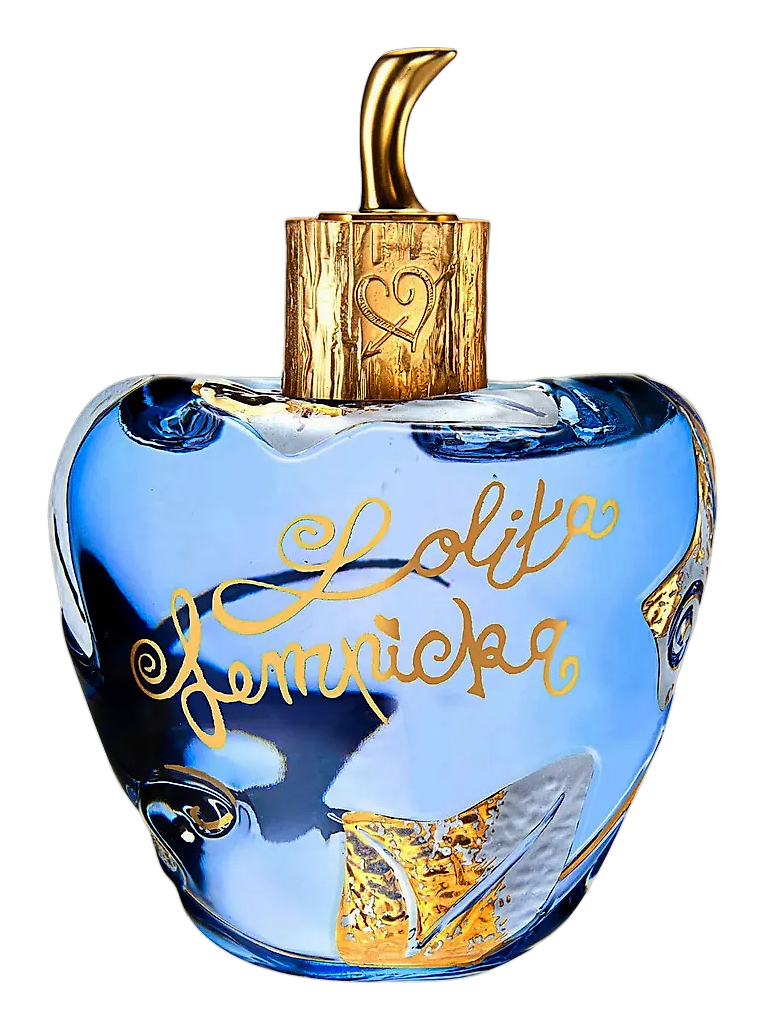
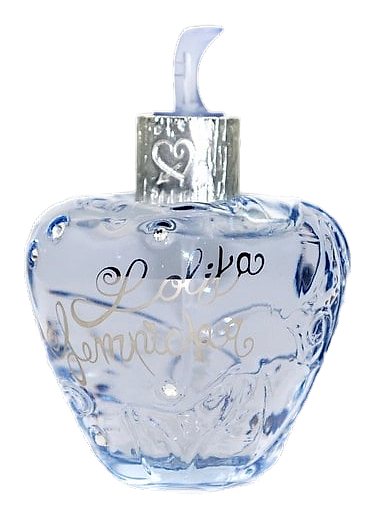
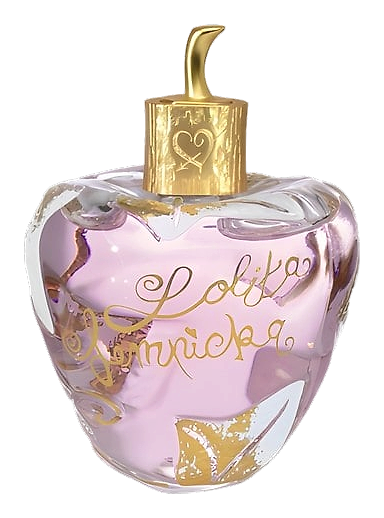
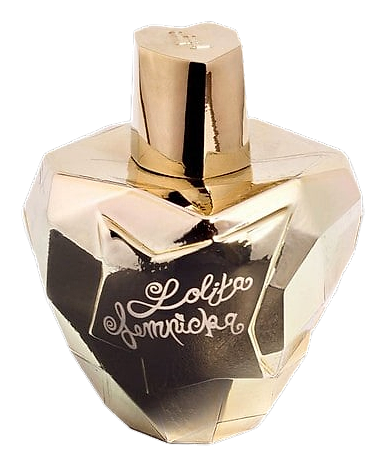
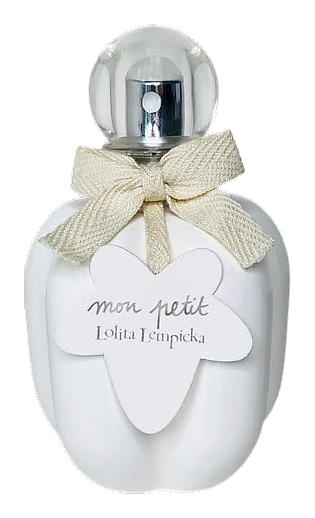
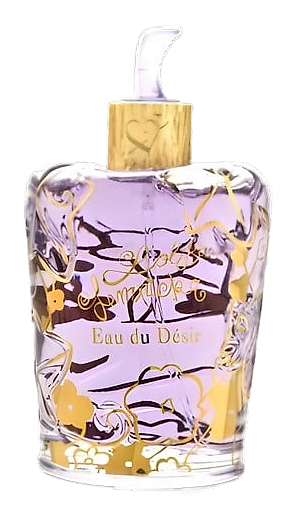
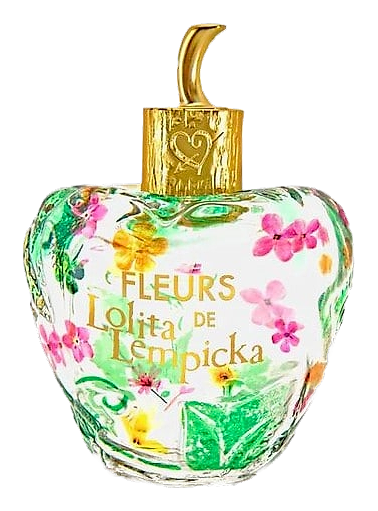
The house traces its origins to 1983 when Josiane Pividal, born in Bordeaux in 1954, established her fashion label in Paris. Pividal adopted the name Lolita Lempicka after the brand gained traction, drawing inspiration from Vladimir Nabokov's controversial novel and the work of Polish Art Deco painter Tamara de Lempicka. Her aesthetic leaned into whimsy, fairy-tale romanticism, and vintage-inspired silhouettes that stood apart from prevailing trends. The designer grew up admiring her mother's work as a seamstress, began dressing Barbie dolls at age six, and by her teenage years was already constructing her own garments. Her Lolita Bis junior line followed in 1987, expanding the brand's reach to younger consumers. The house diversified into bridal designs before making its pivotal move into fragrance in 1997 with the launch of Lolita Lempicka Eau de Parfum. This debut, created by Annick Menardo and Christian Dussoulier, achieved immediate recognition and became emblematic of the brand's identity. The men's collection launched in 2000 with Lolita Lempicka Au Masculin. Today, the perfume line operates under the Amore Pacific Group, while the fashion house continues to cultivate its distinctive fantasy-driven aesthetic across both ready-to-wear and fragrance categories. Lolita Lempicka approaches perfumery as an extension of its fashion philosophy, treating each fragrance as a wearable story rather than merely a scent. The brand draws heavily from fairy-tale imagery and romantic fantasy, creating perfumes that evoke nostalgia while remaining contemporary. This narrative-driven approach manifests in bottle designs that resemble objects of desire and campaigns steeped in dreamlike visual storytelling. The house embraces contrast in its compositions, blending sweet gourmand elements with aromatic herbs and resins to create fragrances that challenge conventional feminine scent categories. Rather than adhering to seasonal fragrance trends, the label builds collections around emotional territories, as evidenced by the Minuit (Midnight) series that explores nocturnal sensuality and the Si Lolita flankers that capture youthful exuberance. The brand's vision centers on transforming the act of wearing fragrance into a ritual of self-expression and imagination, allowing wearers to inhabit different characters and narratives through scent. This theatrical sensibility connects directly to the founder's background in fashion, where clothing and scent both function as forms of costume and identity construction.