The Story
Why it exists.
The beginning
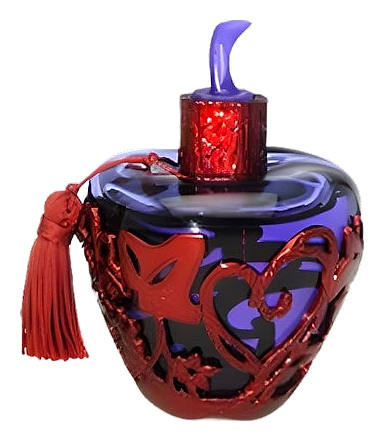
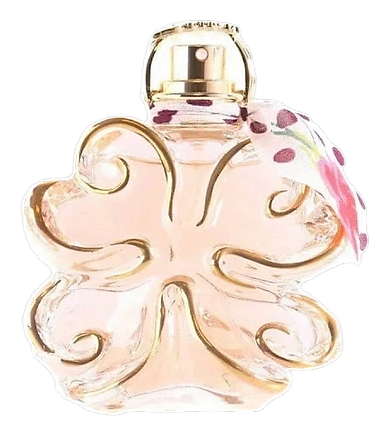
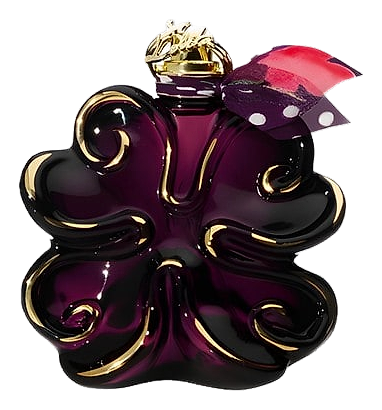
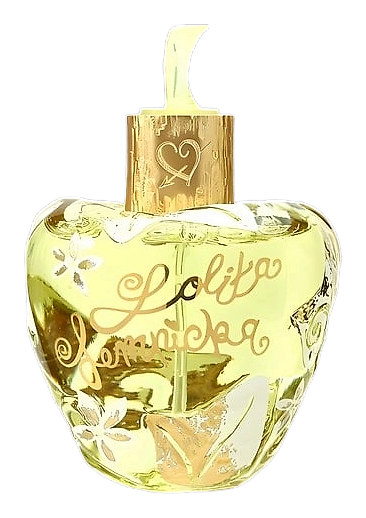
Fleur Défendue translates to "forbidden flower," a name that carries provocative implications in the perfume world. The fragrance was composed by Annick Ménardo, who approached this scent with a distinct vision. Where other perfumes in the house favor warm, edible sweetness, Fleur Défendue takes a different path: green, herbal, and almost medicinal at the opening, before softening into the powdery floral the house is known for. The contrast between bitter and sweet creates an unusual tension that sets this fragrance apart from conventional floral compositions.
Wormwood appears in this composition, an aromatic herb more commonly associated with bitters and absinthe than with fine fragrance. The violet-iris heart of the perfume provides a powdery floral quality that balances the herbaceous opening. The base of the fragrance incorporates almond and sour cherry, creating a sweet and warm foundation that rounds out the overall composition. These elements work together to create a scent that moves from bitter to sweet, offering a complex olfactory experience.
The evolution
The opening of this fragrance hits with green intensity, and wormwood and strawberry leaf create a sharpness that's almost medicinal. Violet and iris arrive to wrap everything in powder, softening the initial edge while maintaining complexity. The base develops with almond cream and sour cherry, providing warmth and sweetness. The sillage stays close to the skin, intimate rather than projecting, like something the wearer knows well. The overall impression is of a fragrance that transforms from sharp and green into something softer and more familiar over time.
Cultural impact
Fleur Défendue presents a different character from the original Lolita fragrance, with a more confrontational opening that immediately signals its departure from conventional floral scents. The wormwood note provides an unusual bitter quality rarely found in mainstream perfumes. The 2008 release offered something distinct in a market where most fragrances leaned toward either sweet florals or clean aquatic notes. This scent rewards those who appreciate unusual aromatic combinations, standing apart from the crowd.
The House
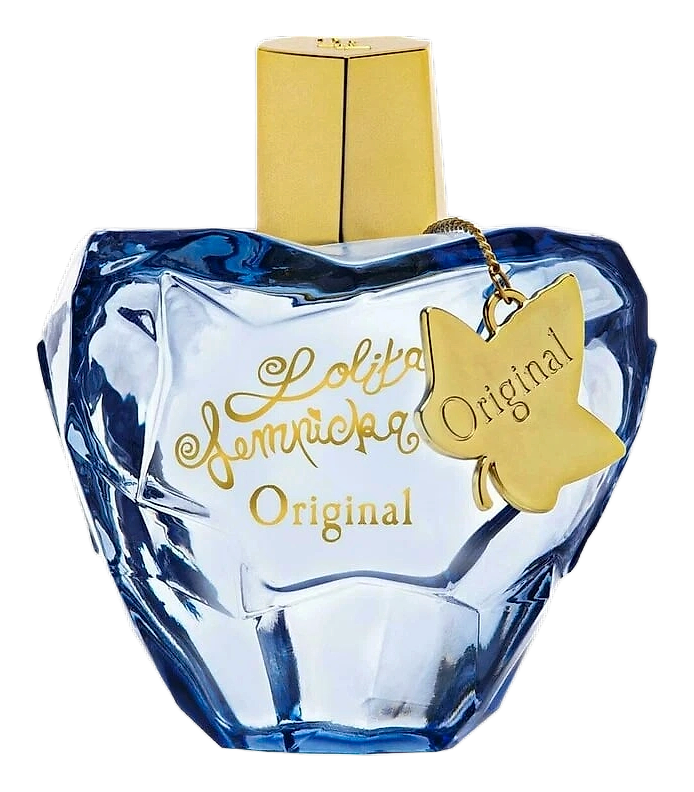
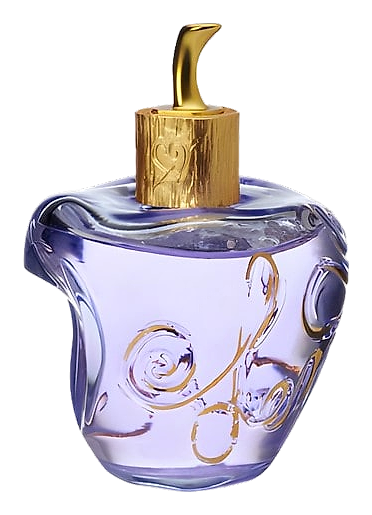
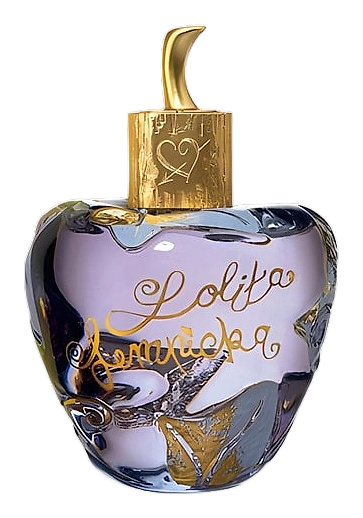
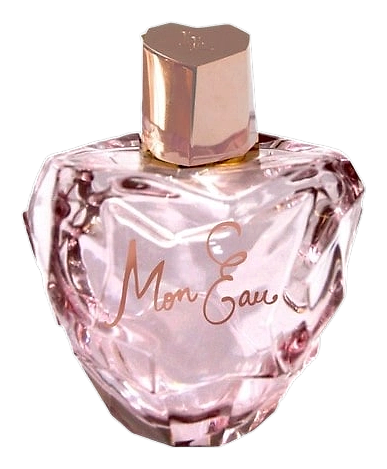
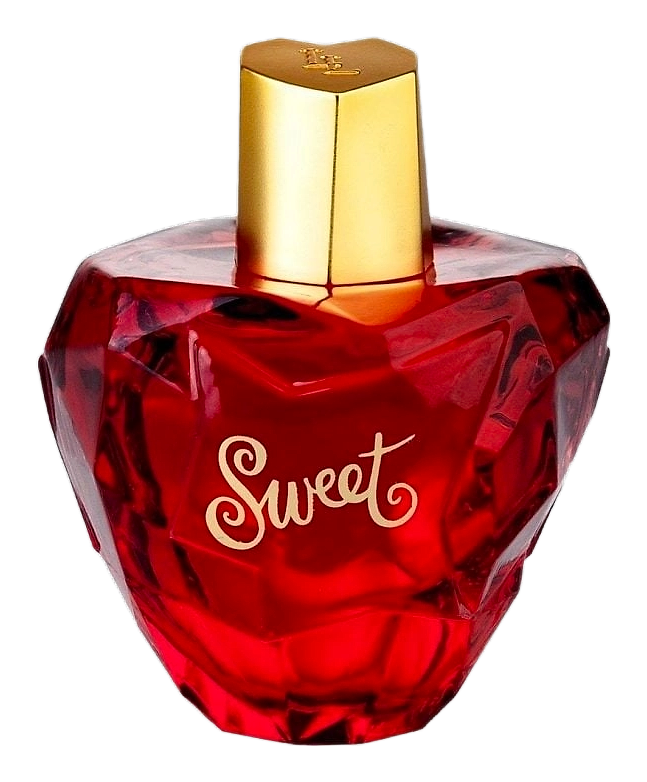
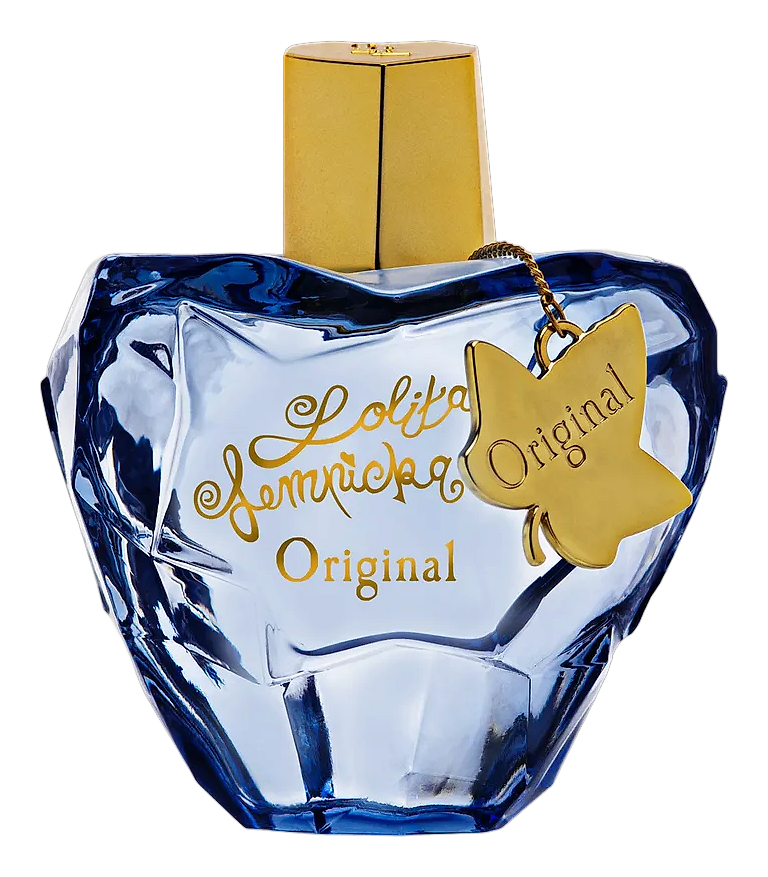
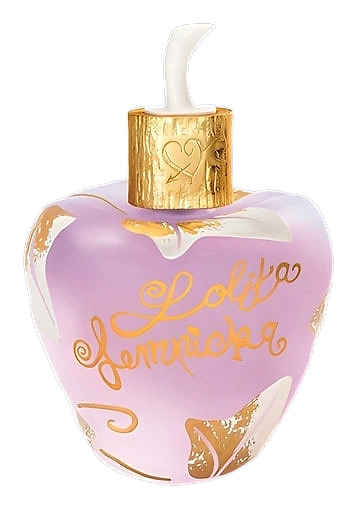
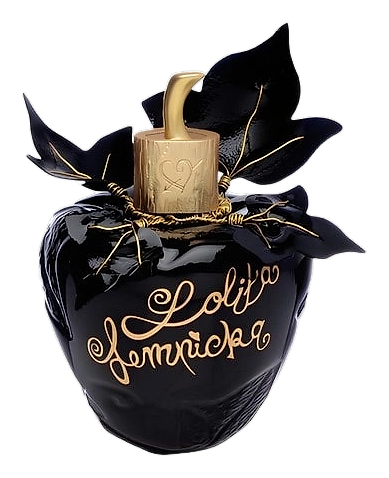
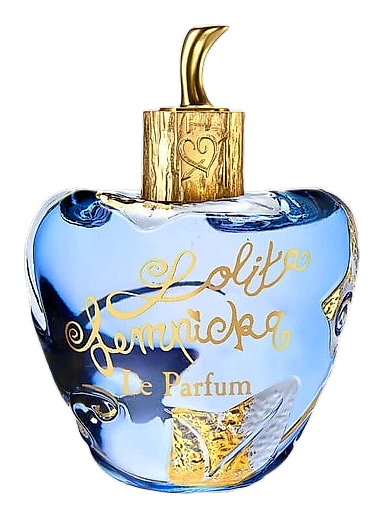
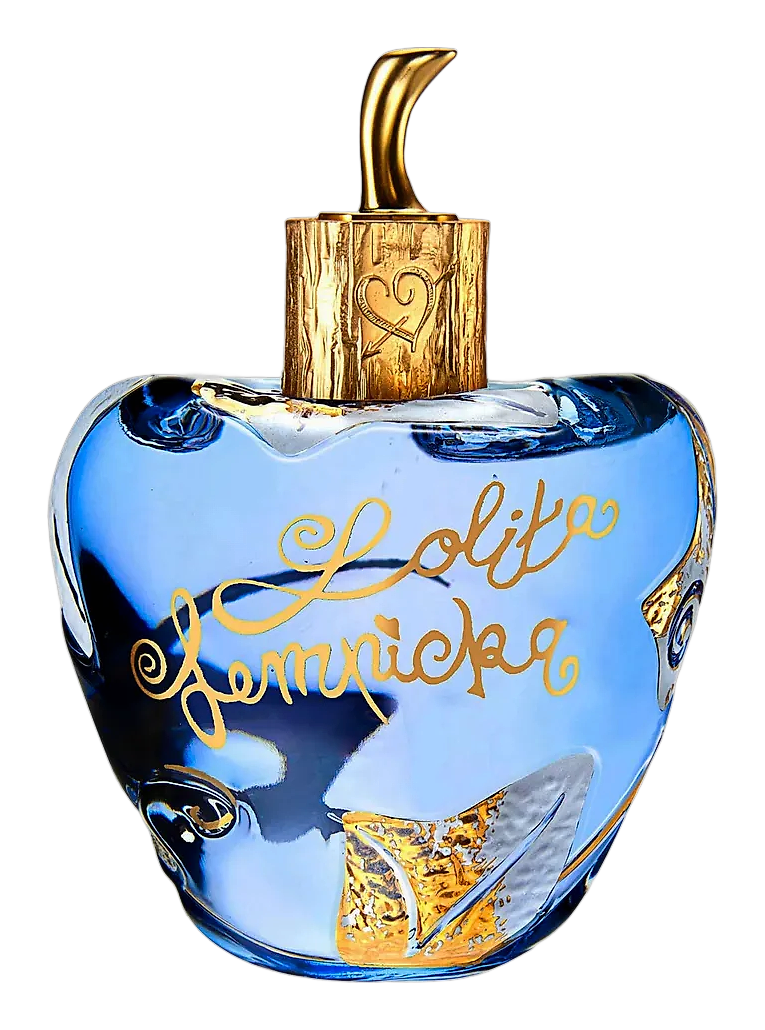
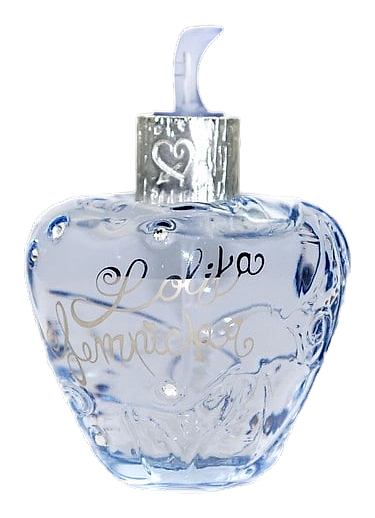
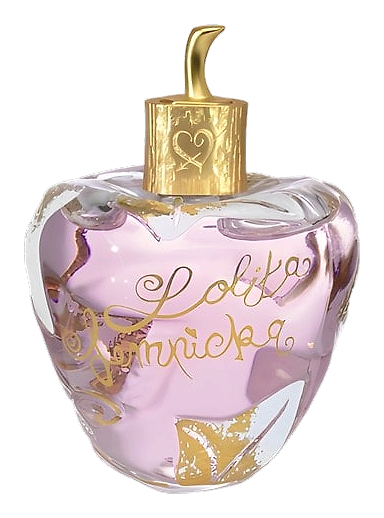
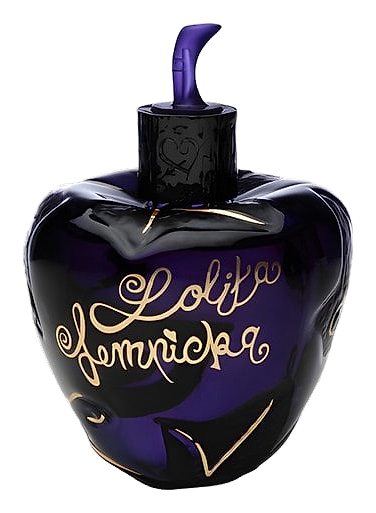
Lolita LempickaLolita Lempicka is a French fashion house that expanded into perfumery in 1997, founded by designer Josiane Maryse Pividal in Paris. The brand is named after Vladimir Nabokov's novel and Polish Art Deco painter Tamara de Lempicka, reflecting a romantic and literary sensibility that permeates both its fashion and fragrance collections. The house gained international recognition through its signature apple-shaped perfume bottle, introduced with the debut fragrance Lolita Lempicka. Known for whimsical, fairy-tale inspired aesthetics, the brand creates fragrances with a distinctive gourmand character, particularly anchored by notes of anise, licorice, and vanilla. The label has collaborated with multiple notable perfumers including Annick Menardo, Francis Kurkdjian, and Christine Nagel across its collection of over seventy perfumes.
The Creator
Annick MénardoDark, smoky, and beautifully resolved. Menardo has built her reputation on bold contrasts: leather against sweetness, wood against air, shadow against light.