
The Story
Why it exists.
The beginning
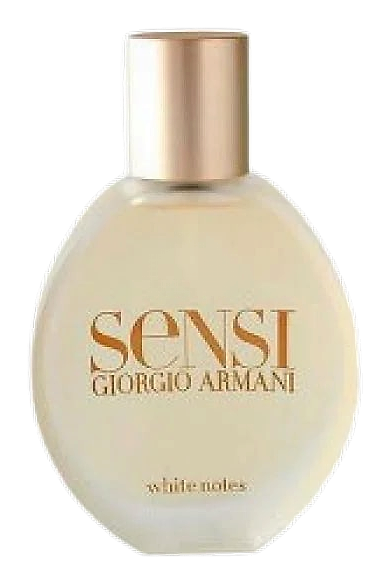
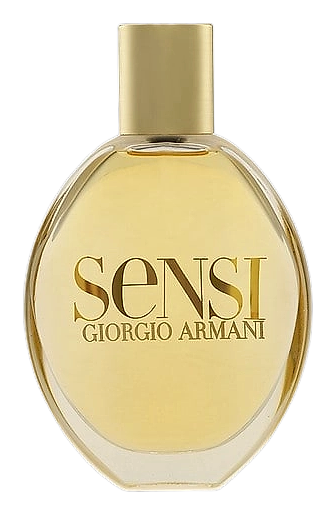
Alberto Morillas and Harry Frémont created Sensi in 2002 as an oriental-floral that bridges East and West, a concept embodied in the name itself, evoking the sensation of silk against skin. The perfumers built the composition around this duality, layering kaffir lime's bright citrus against jasmine's floral depth, then grounding everything in benzoin and rosewood for warmth. The ingredient choices feel deliberate rather than trendy, with almond and wheat bringing an unexpected grain-like quality that sets it apart from typical oriental florals. The real test comes in how the fragrance unfolds over time.
The ingredient pyramid tells a story of contrasts. Lime and black locust open bright and green, almost sharp, a citrus-green freshness that quickly dissolves. Then the heart arrives: jasmine lending its classic feminine warmth, almond providing an edible, nutty richness, and wheat bringing something unusual, a grain-like warmth that feels almost savory. It's an unexpected combination that gives Sensi its distinctive character. The base of benzoin and rosewood softens everything, creating a trail that reviewers consistently describe as sensual and intimate rather than loud or projecting. This is a fragrance designed to be discovered rather than announced.
The evolution
The opening is sharp for about 30 minutes as the citrus and florals set up, then the heart of almond and wheat develops over the next 4-5 hours before settling into a more intimate drydown. The lime and black locust create a bright, green opening that fades within the first hour, giving way to the jasmine and almond blend in the heart. The heart note sits for two to three hours as jasmine and almond interweave with wheat's grainy warmth, creating an unexpected savory depth. By the drydown phase, benzoin and rosewood emerge to create a soft, slightly honeyed amber that lingers for hours. The sillage moderates over time, becoming intimate and close to the skin.
Cultural impact
Sensi has become a hidden gem for collectors, with those who know it seeking it out on the resale market. The fragrance is no longer widely available, which has only increased its appeal among fragrance enthusiasts who appreciate its unique almond-wheat character, making it a cult favorite.