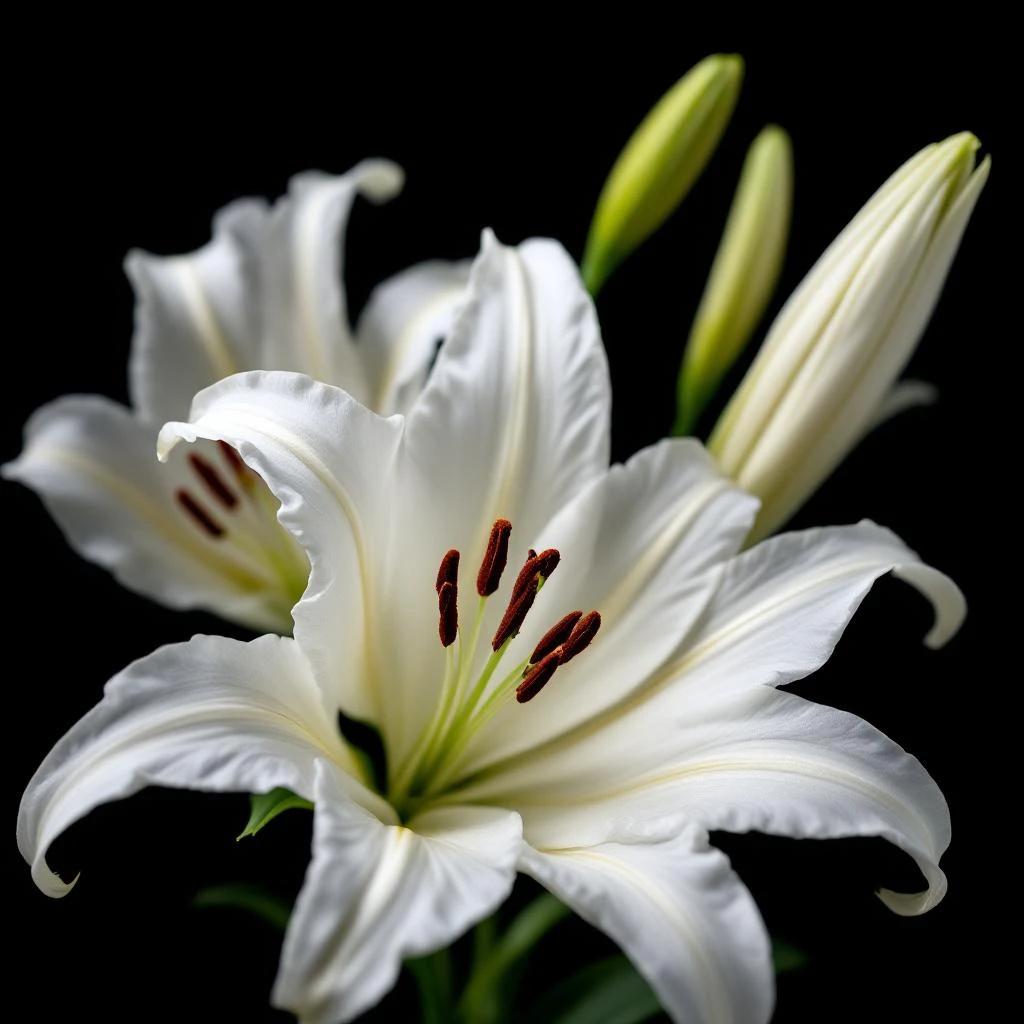
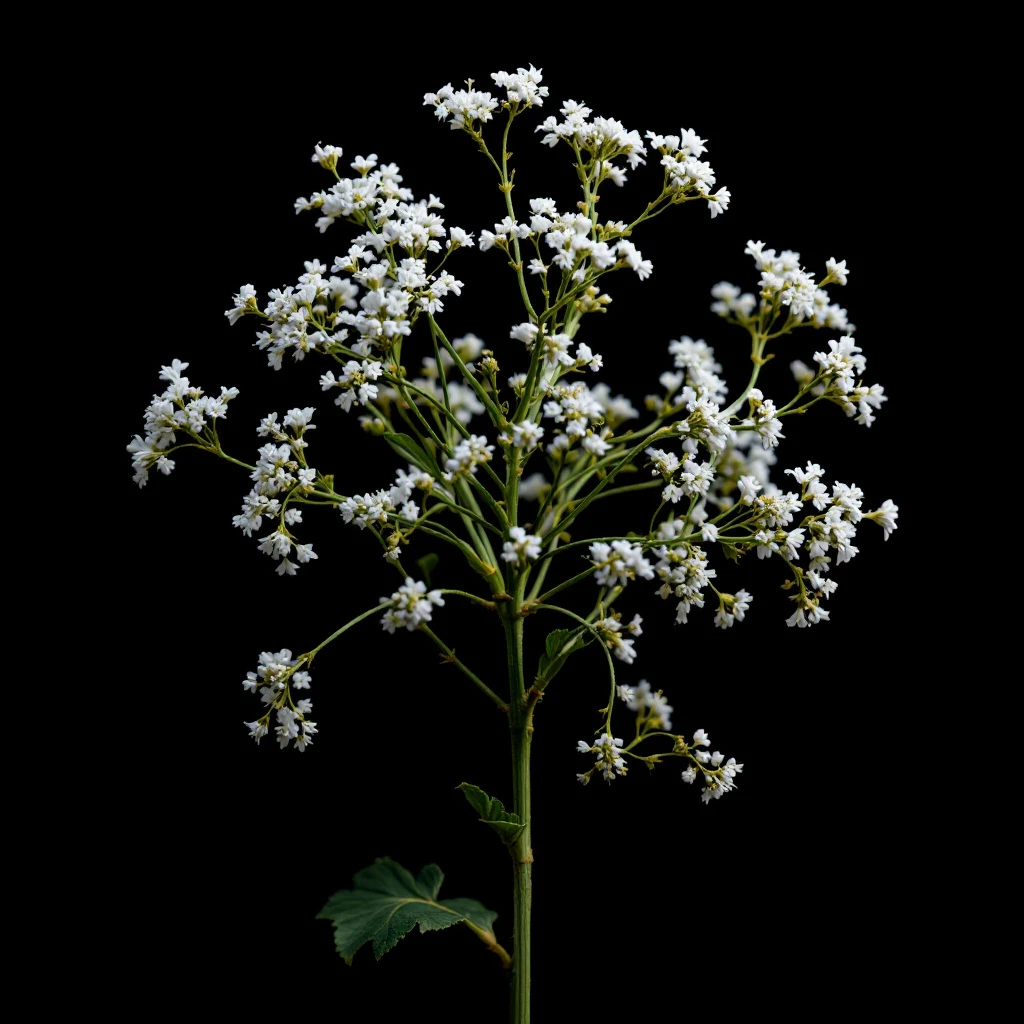
Common Elder
A fleeting floral with remarkable versatility, elderflower absolute is prized by perfumers for its ability to harmonize disparate scent families into cohesive compositions.
Character
How it smells
Elderflower absolute captures spring in crystalline form.
In English folklore, elder trees were considered sacred to the fairy Queen, and burning elder wood was thought to summon her displeasure.







Origin
France
Elder has grown across European hedgerows for thousands of years, embedding itself in local traditions beyond perfumery. Medieval herbalists used elderflower preparations for respiratory support and skin applications.
The plant features prominently in country folklore across Britain, Scandinavia, and Central Europe, where protective qualities were attributed to its branches. Perfumery use emerged gradually as practitioners recognized the flower's capacity to add freshness and natural绿化气息 to compositions.
French and English fragrance houses began incorporating elderflower in the late nineteenth century, often blending it with heavier florals to open compositions without heavy sweetness. The ingredient remains relatively uncommon due to agricultural limitations and extraction complexity, making it a marker of considered formulation.
Wears it best
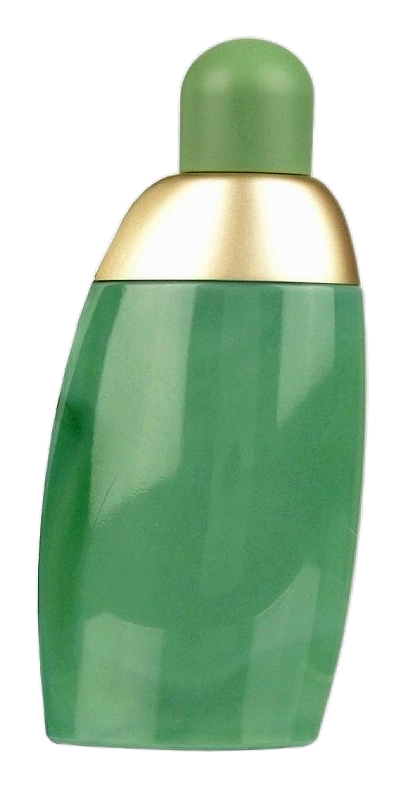
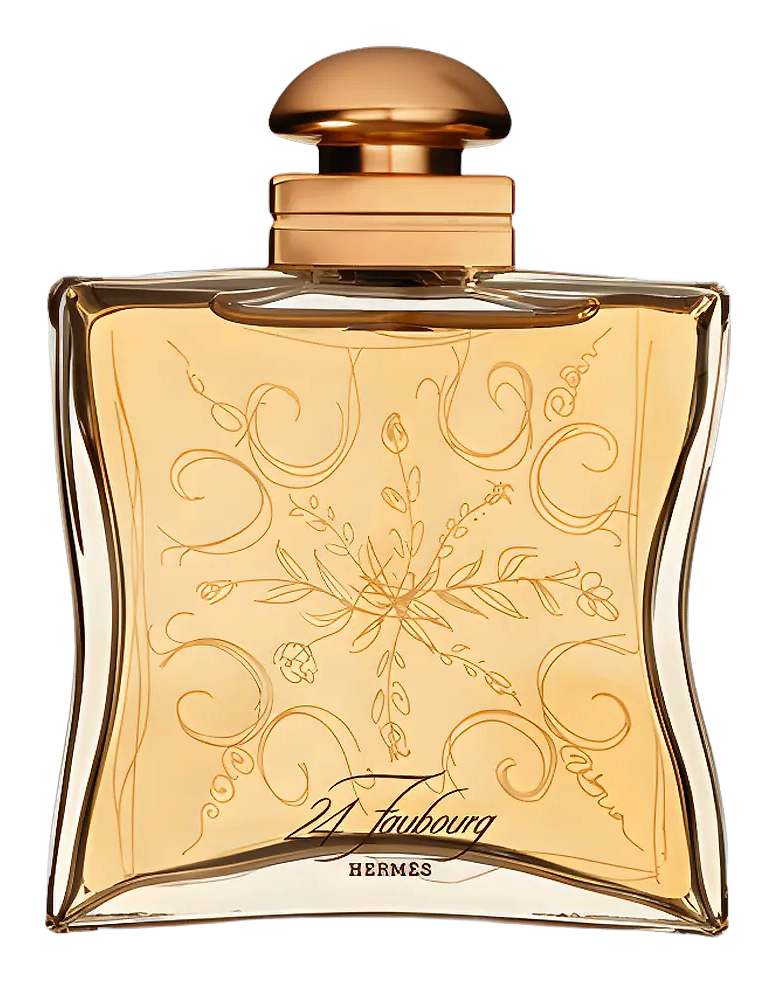
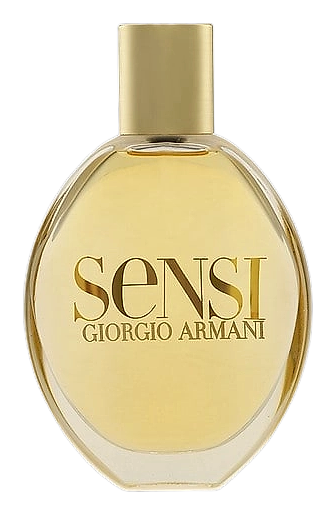
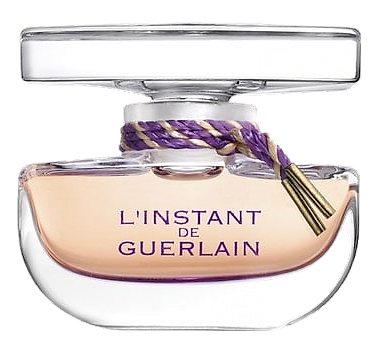
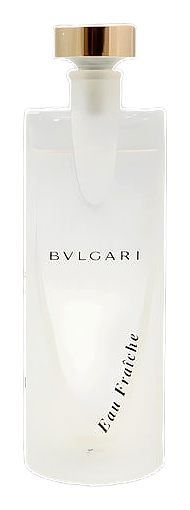
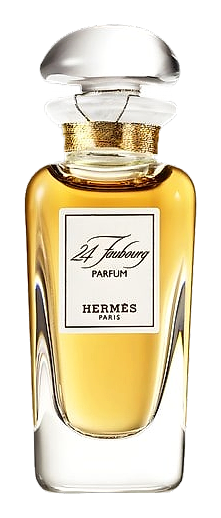
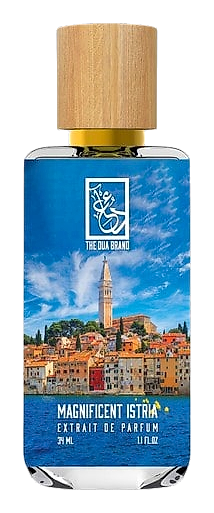
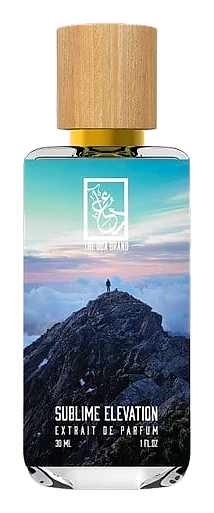
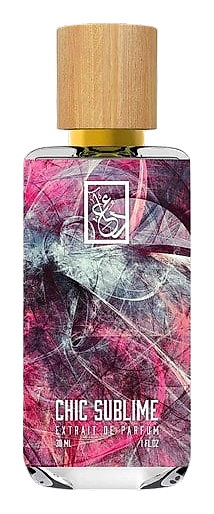
Fragrances featuring Common Elder
Brands
Brands known for Common Elder
Good to know
Questions, answered
The essentials on Common Elder in perfumery: how it smells, where it comes from, and how it behaves on skin.
What does elderflower absolute smell like?
The absolute presents a sweet floral scent with green undertones, reminiscent of fresh-cut cucumber and white flowers. It develops quickly and fades within minutes on skin, requiring fixatives to extend its presence in compositions.
Is elderflower used in real perfumes or only novelty fragrances?
Several established perfume houses feature elderflower in their compositions, particularly in spring seasonal releases and contemporary florals. However, it remains less common than rose or jasmine due to extraction costs and the challenge of working with its fleeting character.
Can elderflower scent be replicated synthetically?
Synthetics like anthranilate derivatives can approximate portions of elderflower's sweetness but miss the entire green complexity. Perfumery databases document the discrepancy between natural extracts and artificial reconstructions in headspace analysis.
When can perfumers source fresh elderflower for extraction?
Elder trees bloom for approximately two weeks in late spring, typically May in Western Europe. This narrow harvest window means extraction operations must coordinate closely with wildcrafters or growers to process material within twenty-four hours of picking.
What extracts can come from elder besides the flower absolute?
Elder berries yield an oil suitable for cosmetic applications, while elder leaf absolute exists but sees limited perfumery use. The flower absolute remains the primary aromatic material requested by fragrance manufacturers.
What fragrance families typically incorporate elderflower absolute?
Elderflower appears most often in floral and green fragrance families, functioning as a top note that brightens heavier heart elements. Perfumers also use it to add natural绿化气息 to chypre and fougère compositions.
Why do perfumers consider elderflower challenging to work with?
The material carries a flash-out period of mere minutes, meaning its scent impression disappears quickly after initial application. This technical limitation demands pairing with fixative ingredients that moderate its evaporation rate.
Where does commercial elderflower absolute originate?
Most commercial production centers in France, the United Kingdom, and Bulgaria, where elder grows commonly in wild and semi-managed hedgerow settings. French production tends toward smaller-scale artisanal extraction with higher standards for harvest timing.