The Story
Why it exists.
The beginning
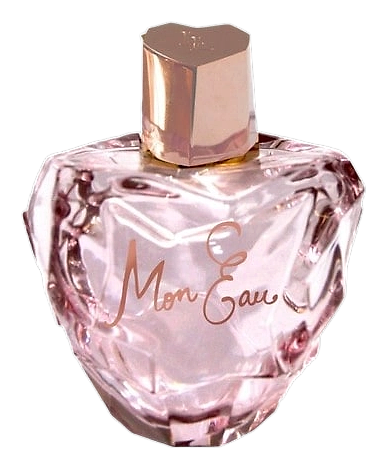
Annick Menardo created the house's signature when she composed Lolita Lempicka in 1997, anise, licorice, violet, vanilla that became the olfactory backbone of an entire brand. Then she stepped away. Mon Eau marks her return in 2018, not to repeat history but to write a new chapter. The exhilaration of freshness was the brief. She delivered something that sits apart from the gourmand legacy, a fruit-forward composition that still carries the house's distinctive edge.
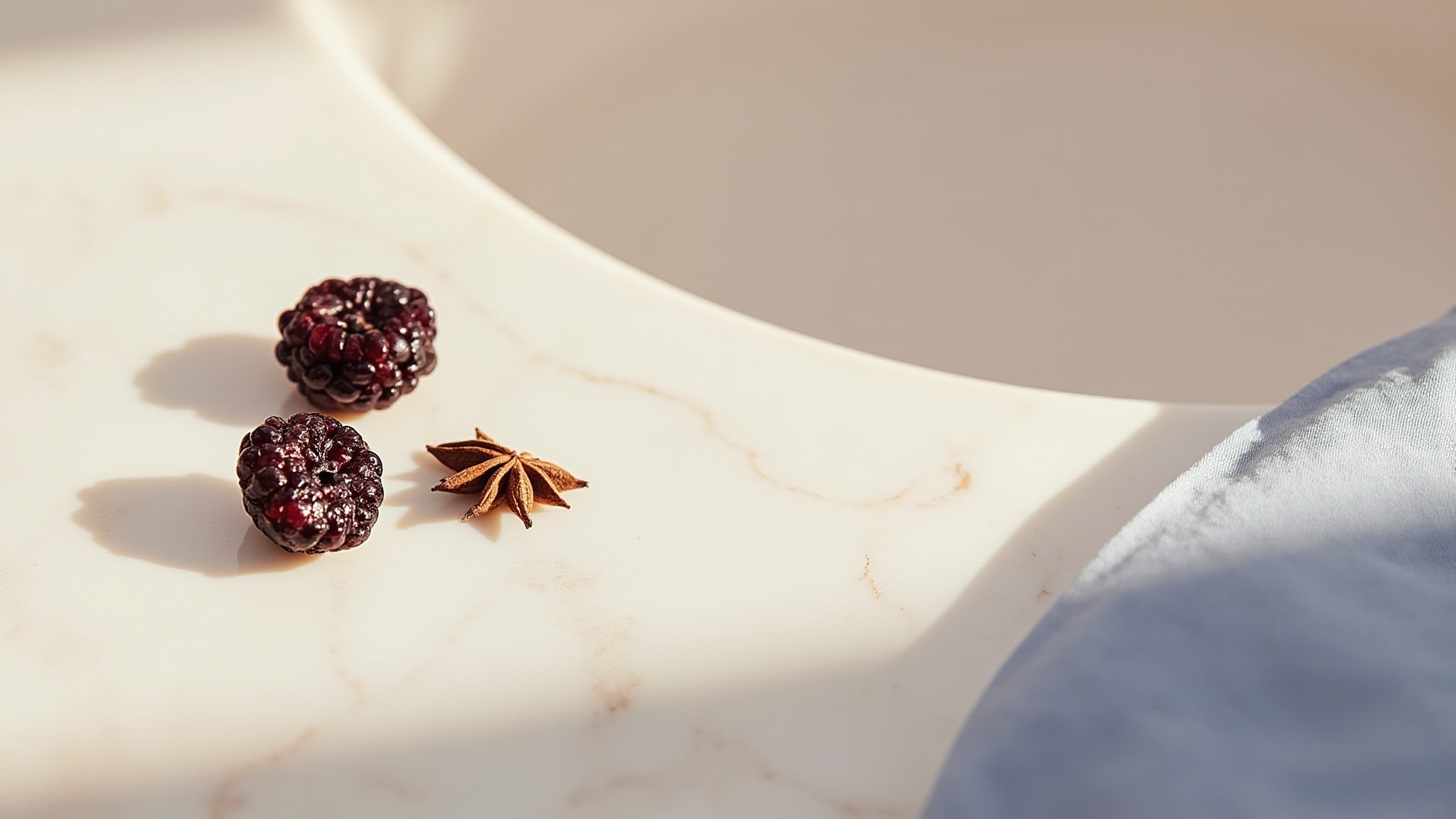
What makes Mon Eau structurally interesting is the contrast between its opening and its finish. The top registers tart and bright, blackberry and raspberry leaf give it that fresh-picked quality, while aniseed introduces an aromatic sharpness that feels almost medicinal at first. It's the friction between fruit and anise that stops this from being just another spring fragrance. By the time iris arrives in the heart, the sharpness has softened into powder, and the jasmine sambac adds a warm floral body that keeps everything grounded. The drydown doesn't compete with the opening, it completes it.
The evolution
The opening hits sharp and tart, blackberry first with anise hovering underneath like a question mark. That anise presence softens within twenty minutes as the iris and jasmine emerge, the combination reading as clean and powdery rather than sweet. By the second hour, the base takes over, sandalwood and white musk wrapping around violet in something that sits close to the skin. Moderate sillage means you're aware of it. Others might catch it when you lean in. The longevity holds for a workday on most skin types, fading gently rather than disappearing abruptly.
Cultural impact
Mon Eau emerged during the early 2000s when fruity-gourmand fragrances were gaining mainstream popularity, positioning itself as a whimsical, feminine alternative to the heavy ambers and woods that dominated the market. The fragrance captured the essence of playful femininity with its star anise note providing an unexpected aniseed twist that set it apart from typical sweet florals. Its bottle design, inspired by the lolita subculture aesthetic, became instantly recognizable and collecting became a hobby for enthusiasts. The scent influenced subsequent releases in the brand's lineup and contributed to the broader appreciation of unconventional note combinations in mainstream perfumery, particularly the integration of spice with fruit.