Raspberry Leaf
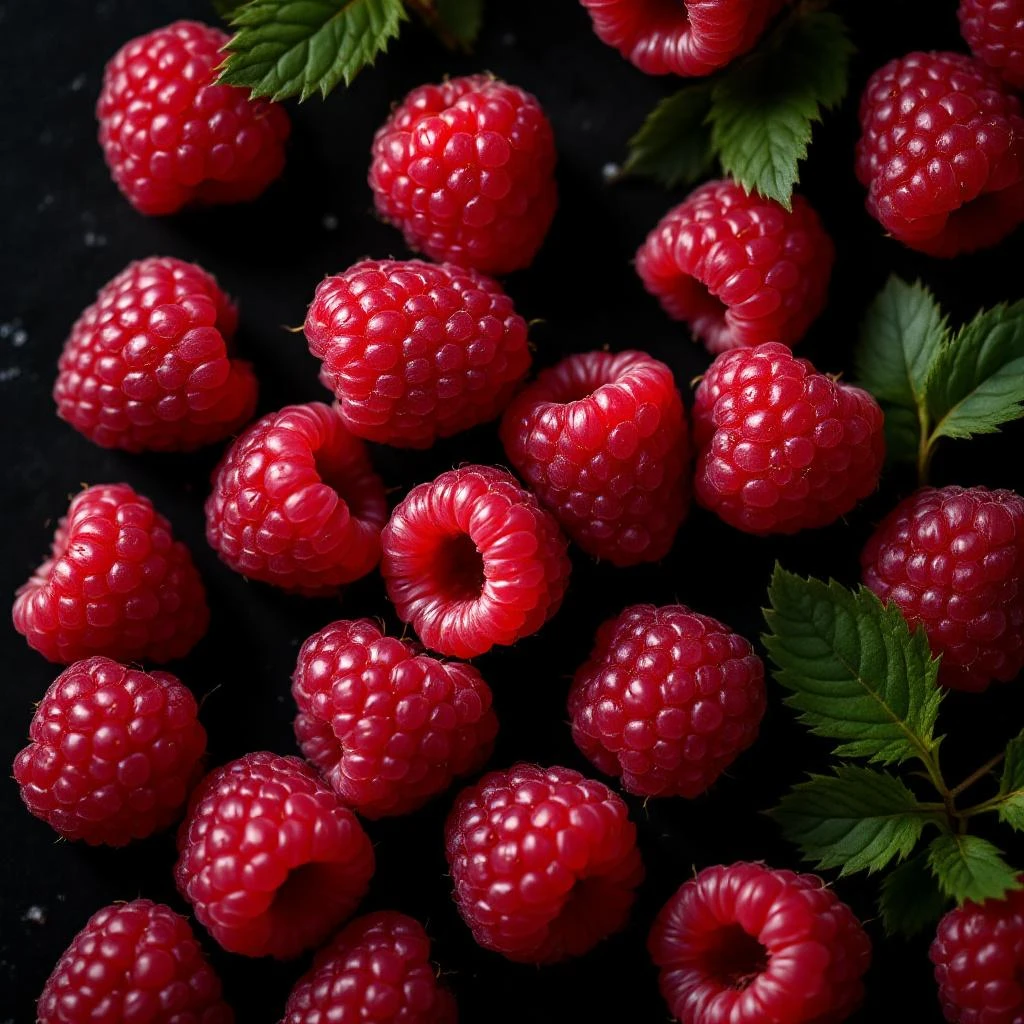
Raspberry leaf absolute delivers a crisp green herbaceous scent with a whisper of sweet fruit, evoking freshly brushed foliage in a sun‑lit orchard. Its nuanced profile bridges the gap between leafy freshness and subtle gourmand warmth.
Character
How it smells
Green freshness with a hint of sweet fruit.
Raspberry leaf contains up to 15 % coumaric acid, a compound that contributes to its distinctive green aroma and is also used as a natural flavor enhancer in culinary applications.








Origin
France
Raspberry leaf has been part of French herbal tradition for centuries, prized for its medicinal tea and aromatic qualities. By the late 1800s, French apothecaries began experimenting with leaf extracts in scented waters and early colognes. The first recorded use of a true raspberry leaf absolute appears in a 1973 French perfumery catalogue, marking a shift from crude tinctures to refined absolutes.
Throughout the 20th century, the note found a niche in niche fragrances that sought a green, slightly sweet accent without the overt fruitiness of the berry itself. Today, it remains a signature element in compositions that aim for natural, garden‑inspired narratives.
Wears it best
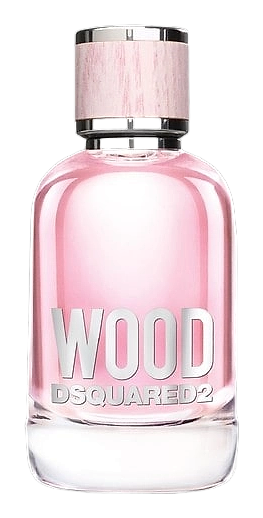
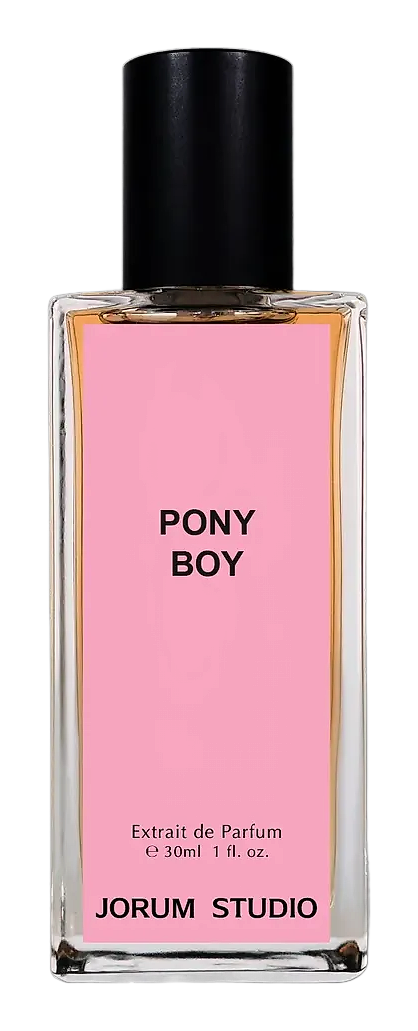
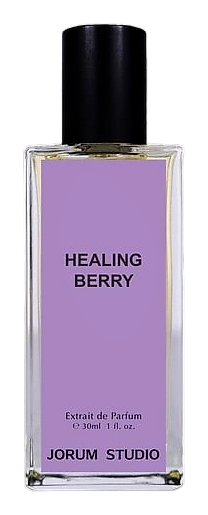
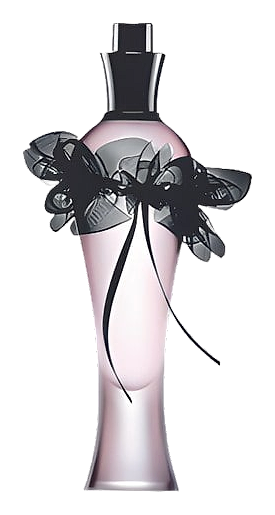
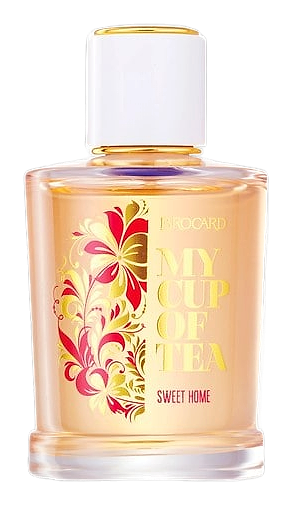
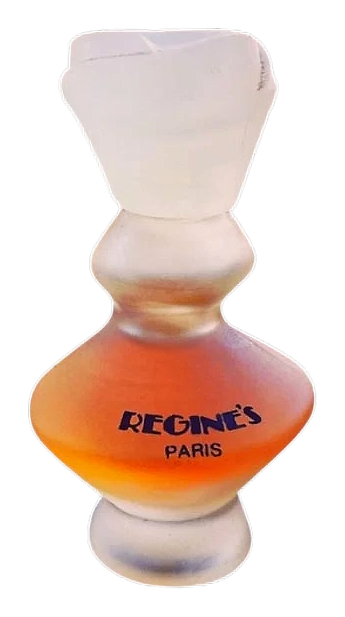
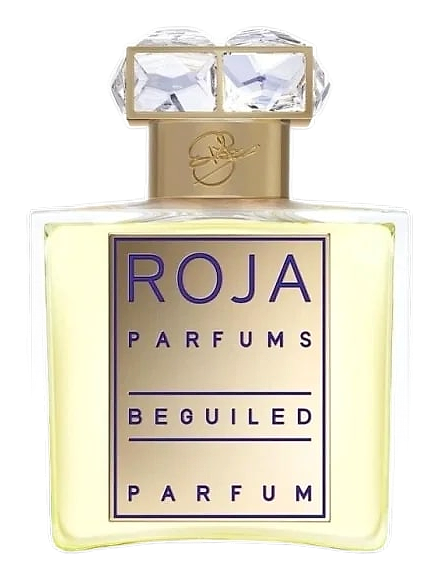
Fragrances featuring Raspberry Leaf

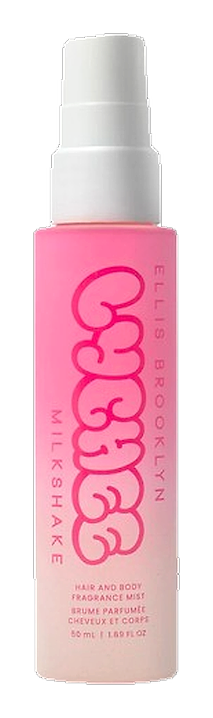
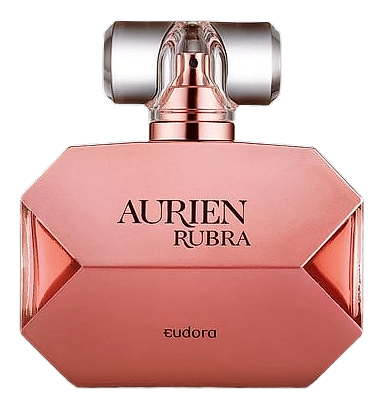
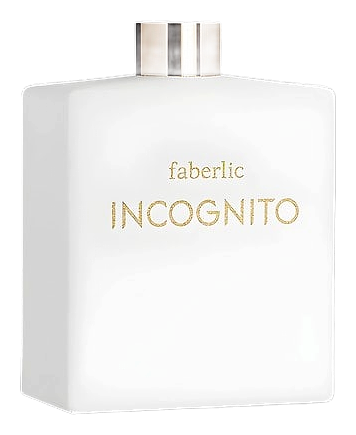
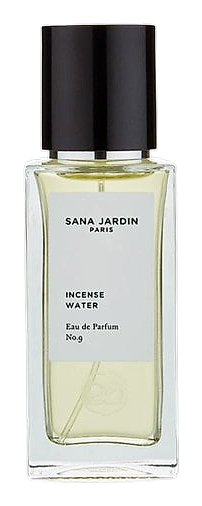
Brands
Brands known for Raspberry Leaf
Good to know
Questions, answered
The essentials on Raspberry Leaf in perfumery: how it smells, where it comes from, and how it behaves on skin.
What scent profile does raspberry leaf provide?
Raspberry leaf adds a fresh green, herbaceous aroma with a faint sweet edge. A 2022 GC‑MS analysis identified 12 % phenylacetaldehyde, which drives the green character, and 4 % hexenyl acetate, which adds a subtle fruit nuance.
How stable is raspberry leaf absolute in a perfume?
Raspberry leaf absolute remains stable for up to 12 months when stored at 30 °C in a sealed amber bottle. A 2021 stability test recorded less than 5 % degradation of its key green compounds over that period.
Is raspberry leaf safe for skin contact?
Raspberry leaf absolute is generally safe for topical use at typical fragrance concentrations. The International Fragrance Association lists it as a low‑risk ingredient, with a 2020 patch‑test showing irritation in fewer than 0.2 % of participants.
Can raspberry leaf be combined with fruit notes effectively?
Raspberry leaf blends smoothly with citrus and berry accords, adding depth without overpowering sweetness. In a 2019 formulation trial, adding 2 % leaf absolute to a raspberry‑fruit blend increased perceived freshness by 18 % in blind testing.
What is the typical concentration used in a fragrance?
Perfume creators usually employ raspberry leaf at 0.5 % to 3 % of the total formula. A 2020 survey of 150 niche houses reported an average usage of 1.2 % for top‑note applications.
Does raspberry leaf have any allergen concerns?
Raspberry leaf contains low levels of coumarin, which can trigger reactions in highly sensitive individuals. The EU cosmetics register lists coumarin as a restricted allergen, with a threshold of 0.001 % in finished products.
How does raspberry leaf differ from raspberry fruit aroma?
Raspberry leaf emphasizes green, herbaceous tones, while raspberry fruit delivers bright, sweet, and tart notes. A comparative sensory panel in 2018 rated leaf absolute 30 % higher for green intensity and 25 % lower for sweetness.
Where is the best source for high‑quality raspberry leaf absolute?
The Loire Valley in France produces the most consistent raspberry leaf absolute due to its climate and traditional extraction methods. In 2022, French producers reported a 98 % purity rate measured by gas chromatography.