Sour Cherry
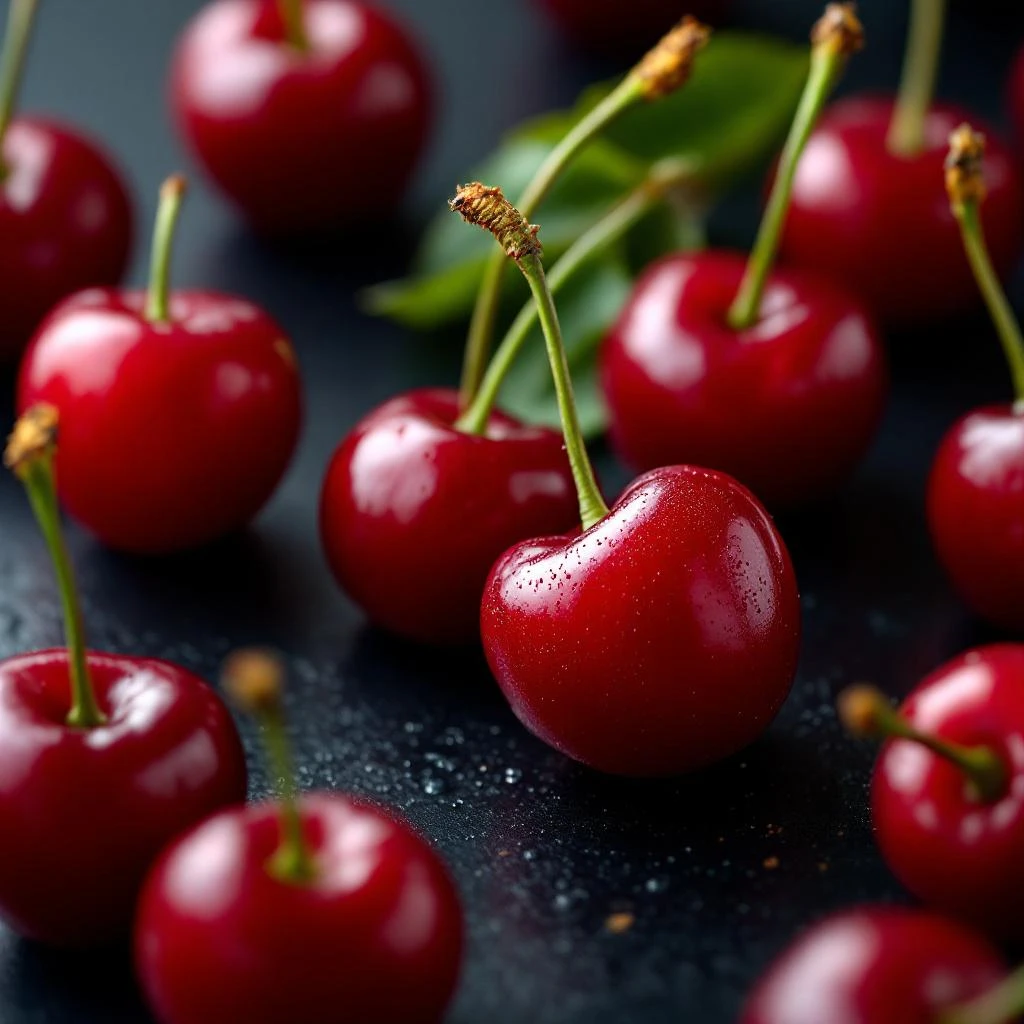
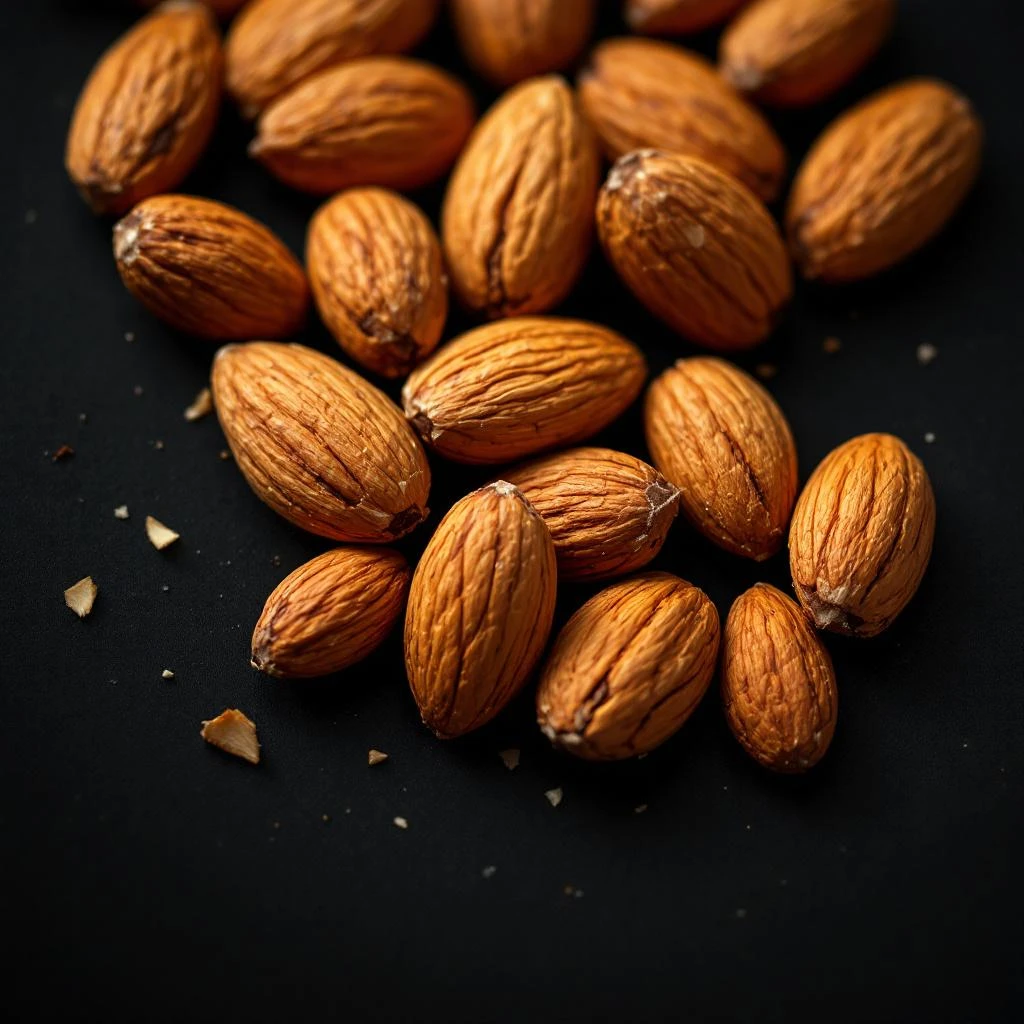
Sour cherry brings a bright, tart fruitiness to perfumery with a distinctive almond-like undertone. Unlike its sweeter counterparts, this note captures the vibrant acidity of Prunus cerasus, adding an energetic spark to fruity, floral, and oriental compositions.
Character
How it smells
The tart spark that electrifies fruity compositions
The word cherry derives from the ancient Greek region Kerasous, where the fruit was first cultivated before Roman general Lucullus brought it to Rome in 72 BC.








Origin
Iran/Turkey region (ancient Cerasus)
The sour cherry, Prunus cerasus, has followed a separate path from its sweet cousin throughout human history. Believed to have originated from a natural hybrid between sweet cherry and ground cherry near the Black Sea, sour cherries were first cultivated in the ancient Greek region of Kerasous (modern-day Giresun, Turkey), from which the fruit takes its name. In 72 BC, Roman general Lucius Licinius Lucullus brought cultivated cherries from northeastern Anatolia to Rome, forever changing European agriculture.
While sweet cherries became dessert fruits, sour cherries found their place in preserves, liqueurs, and medicines across Europe and Asia. The famed Morello and Montmorency varieties developed distinct regional identities, from English cherry orchards to Hungarian fruit brandies. This tart fruit entered perfumery relatively late compared to other botanicals, as the challenge of capturing its fleeting freshness required twentieth-century synthetic chemistry.
The modern sour cherry note emerged as perfumers mastered benzaldehyde chemistry and began exploring gourmand territories. Tom Ford's Lost Cherry (2018) and Cherry Smoke (2022) showcased the note's versatility, from liqueur-rich opulence to dark smoky sophistication. Today sour cherry appears across fragrance genres, valued for its ability to add energetic tartness that cuts through sweetness, creating dynamic tension in compositions that might otherwise feel flat or overly saccharine.
Wears it best
Fragrances featuring Sour Cherry
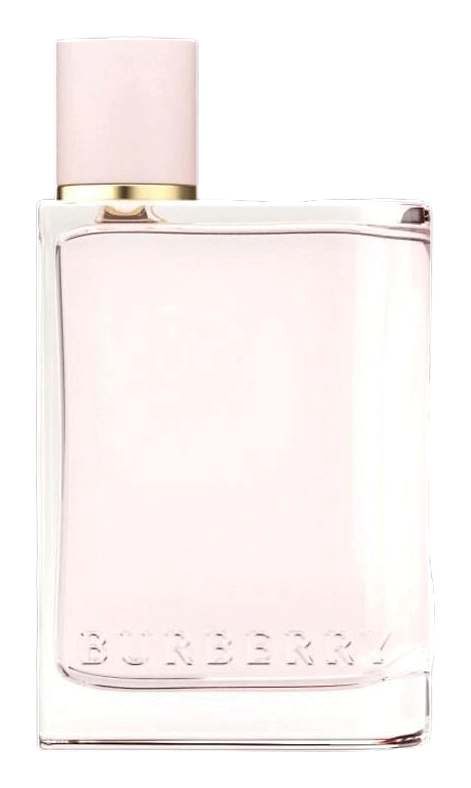
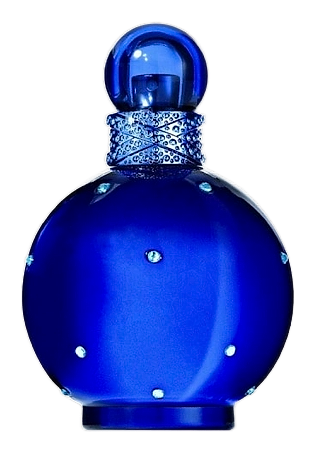
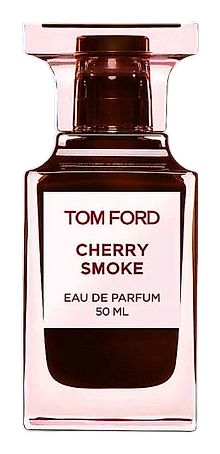
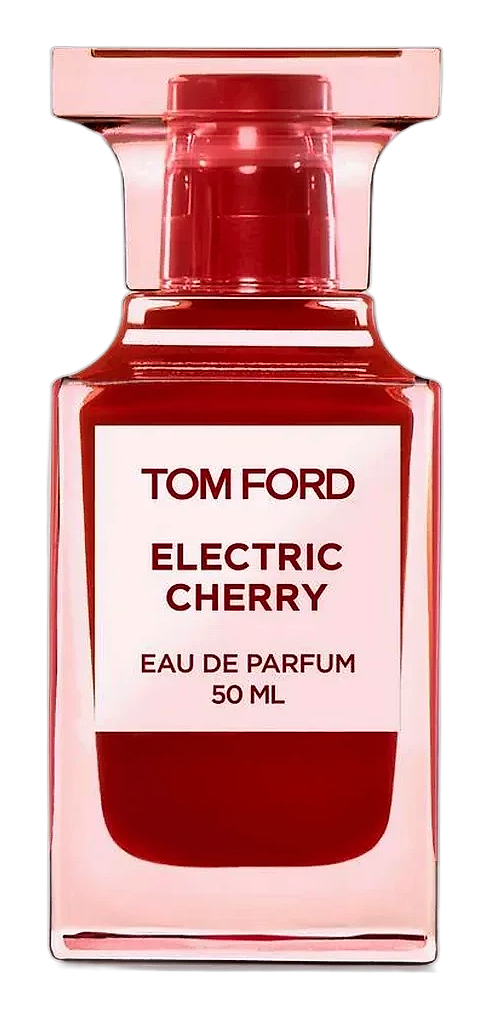
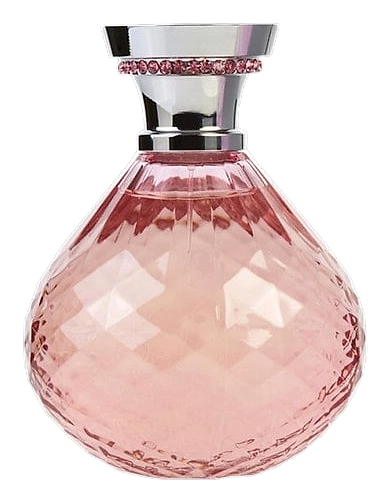
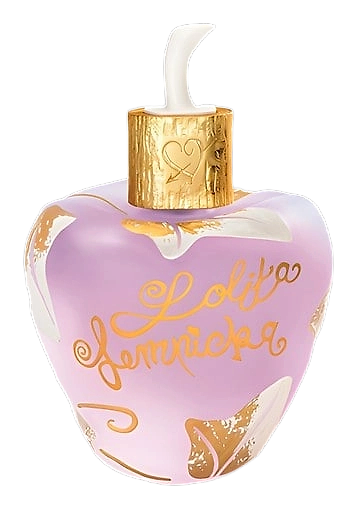
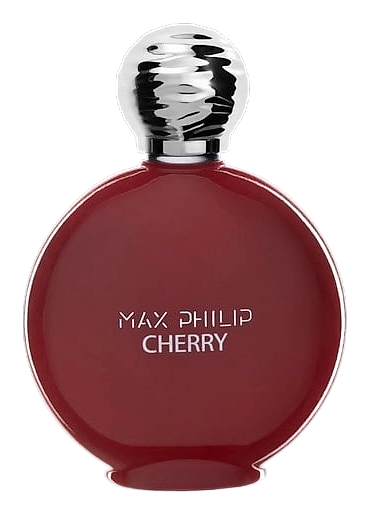
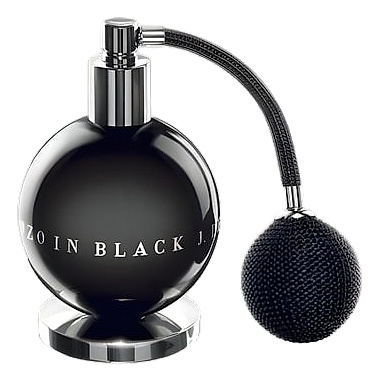
Brands
Brands known for Sour Cherry
Good to know
Questions, answered
The essentials on Sour Cherry in perfumery: how it smells, where it comes from, and how it behaves on skin.
What does sour cherry smell like in perfume?
Sour cherry smells tart and vibrant with a distinctive almond-like undertone. Unlike sweet cherry's candied richness, sour cherry carries bright acidity and juicy sharpness that reads energetic on skin. The note opens with fruity tartness reminiscent of fresh Morello cherries, then reveals warm almond nuances from benzaldehyde molecules that create its signature character.
Why is sour cherry used in perfumery?
Sour cherry adds energetic tartness that balances sweetness and creates dynamic tension in compositions. Perfumers use it to cut through dense gourmand bases, add brightness to oriental structures, and provide modern fruitiness without cloying candy-like effects. Its almond undertone also bridges seamlessly into woody and ambery drydowns, making it structurally versatile across fragrance families.
Is sour cherry in perfume natural or synthetic?
Sour cherry in perfumery is entirely synthetic, as the fruit yields no extractable essential oil. Perfumers reconstruct the scent using primarily benzaldehyde for almond-cherry character, combined with esters for fruity juiciness and supporting molecules for depth. This reconstructed approach allows precise control over tartness levels and consistency impossible to achieve with natural materials.
What famous perfumes contain sour cherry?
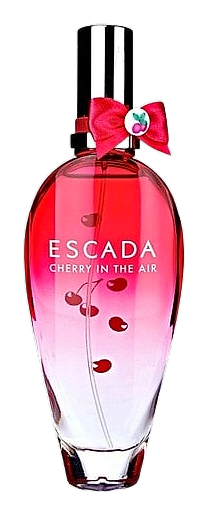
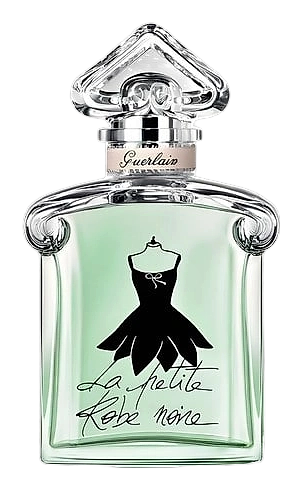
Tom Ford's Lost Cherry (2018) centers on a liqueur-like sour cherry accord with almond and woods. Tom Ford Cherry Smoke (2022) uses tart cherry against dark embers and leather. Guerlain's La Petite Robe Noire features candied cherry with vanilla and licorice. Escada Cherry in the Air pairs sour cherry with marshmallow for playful gourmand effect.
Is sour cherry a top note, heart note, or base note?
Sour cherry typically functions as a top to heart note, appearing in the opening and maintaining presence through the middle phase. Its volatile fruity esters create immediate impact, while benzaldehyde's almond character provides persistence into the heart. In denser compositions with enhanced base materials, sour cherry can extend further into the drydown as a supporting element.
What notes pair well with sour cherry in perfume?
Sour cherry pairs beautifully with almond and heliotrope for gourmand depth, vanilla and tonka for creamy sweetness, and woods like sandalwood or cedar for structure. Rose and jasmine create sophisticated fruity-florals, while leather and smoke transform cherry into dark, sophisticated territories. Cinnamon and spices accentuate its warmth, contrasting its natural tartness.
Where does sour cherry come from?
The sour cherry, Prunus cerasus, originated near the Black Sea in what is now northern Turkey, specifically the ancient Greek region of Kerasous (modern Giresun). The fruit spread to Europe via Roman trade routes in 72 BC. Today major cultivation regions include Turkey, Iran, Russia, and Eastern Europe, with the Montmorency variety dominant in North America.
Is sour cherry used in men's or women's fragrances?
Sour cherry appears across gender categories, though it leans slightly feminine in mainstream releases. In niche perfumery, it features prominently in unisex compositions like Tom Ford's Lost Cherry and Cherry Smoke. Men's fragrances use sour cherry sparingly, typically paired with leather, tobacco, or woods to create darker, more masculine profiles with fruity complexity.