
The Story
Why it exists.
The beginning
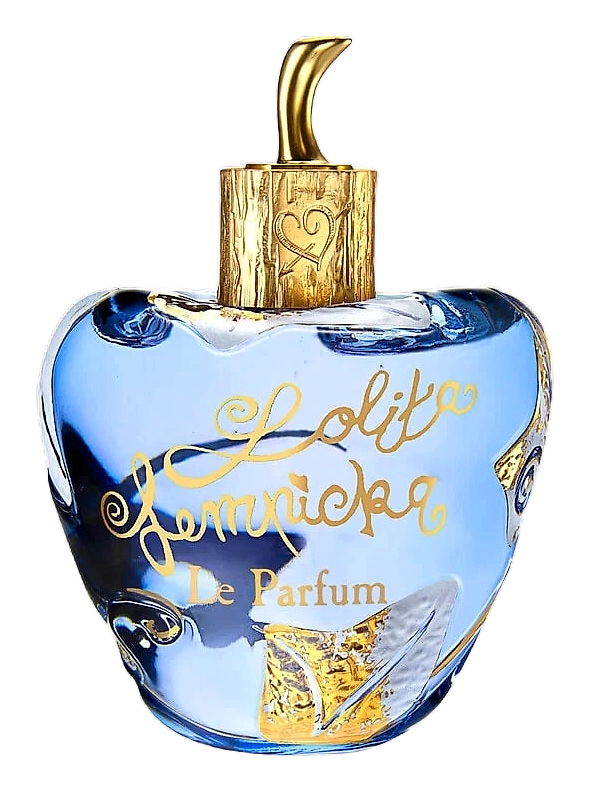
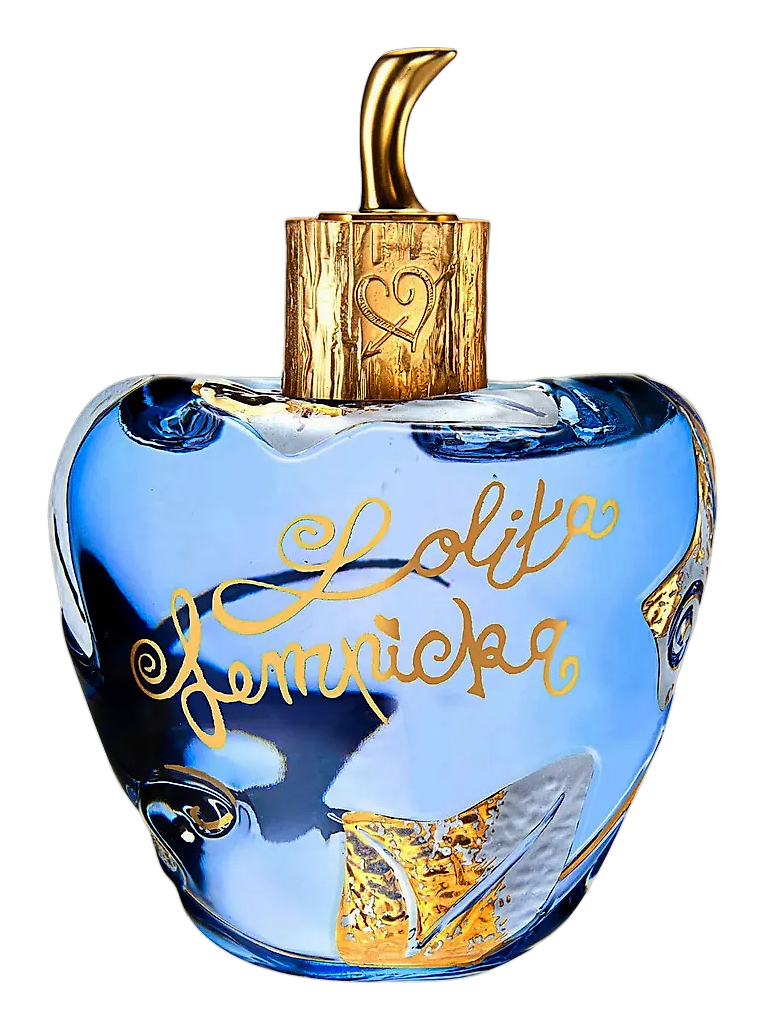
Annick Menardo created the original Lolita Lempicka in 1997, a fragrance that confounded expectations with its anise-violet-licorice signature. In 2023, she returned to that composition. Not a remake. A reckoning. The same perfumer, the same black-anise heart, the same reason people stopped mid-stride in department stores. This time, the formula went vegan, stripped of coloring agents, fixatives, and endocrine disruptors. The forbidden apple stays forbidden. The scent underneath just got cleaner.
What makes this composition work is its refusal to resolve cleanly. The star anise opens cold, almost antiseptic, the kind of sharp that clears your sinuses. Violet doesn't soften it so much as complicate it, turning the cold into something powdery and floral. Meanwhile, the amarena cherry adds a dark-fruit roundness that edges toward jam. The three-way tension between anise, violet, and cherry is the engine. Nothing resolves until the praline and vanilla arrive, and even then, the patchouli underneath keeps the sweetness honest. It's a fragrance that knows exactly what it's doing.
The evolution
The anise hits first, that cold, black-licorice blast that's either your favorite thing or your least. Thirty minutes in, the violet emerges, turning medicinal into powdery. The cherry deepens, veering toward maraschino rather than fresh fruit. By the second hour, the praline takes over, and suddenly the whole thing smells like a confectionery window. The vanilla arrives late, wrapping around the praline without overwhelming it. Then the patchouli asserts itself, earthy, slightly bitter, preventing the whole thing from becoming syrup. At hour six, it's skin-close. At hour eight, still detectable. The next morning: faint praline on skin, the ghost of vanilla on fabric.
Cultural impact
Lolita Lempicka emerged in 1997 as a radical departure from mainstream perfumery, built on an unexpected combination of star anise, violet, and licorice that critics initially dismissed as unwearable. Within five years it became a cult signature across European fashion capitals, particularly in Paris where the anise-violet tension attracted a devoted following among those seeking distinctive fragrances outside mass-market options. The 2023 reformulation by Annick Menardo preserves the original's polarizing character while removing animal products, reflecting a broader industry shift toward vegan transparency.