The Story
Why it exists.
The beginning
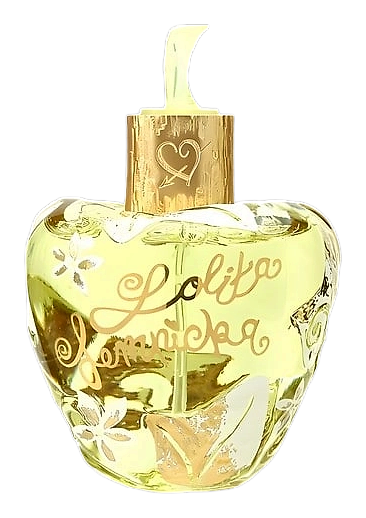
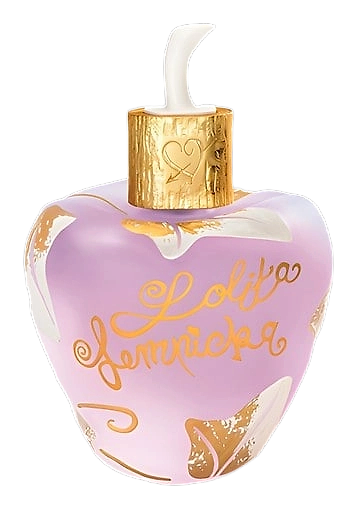
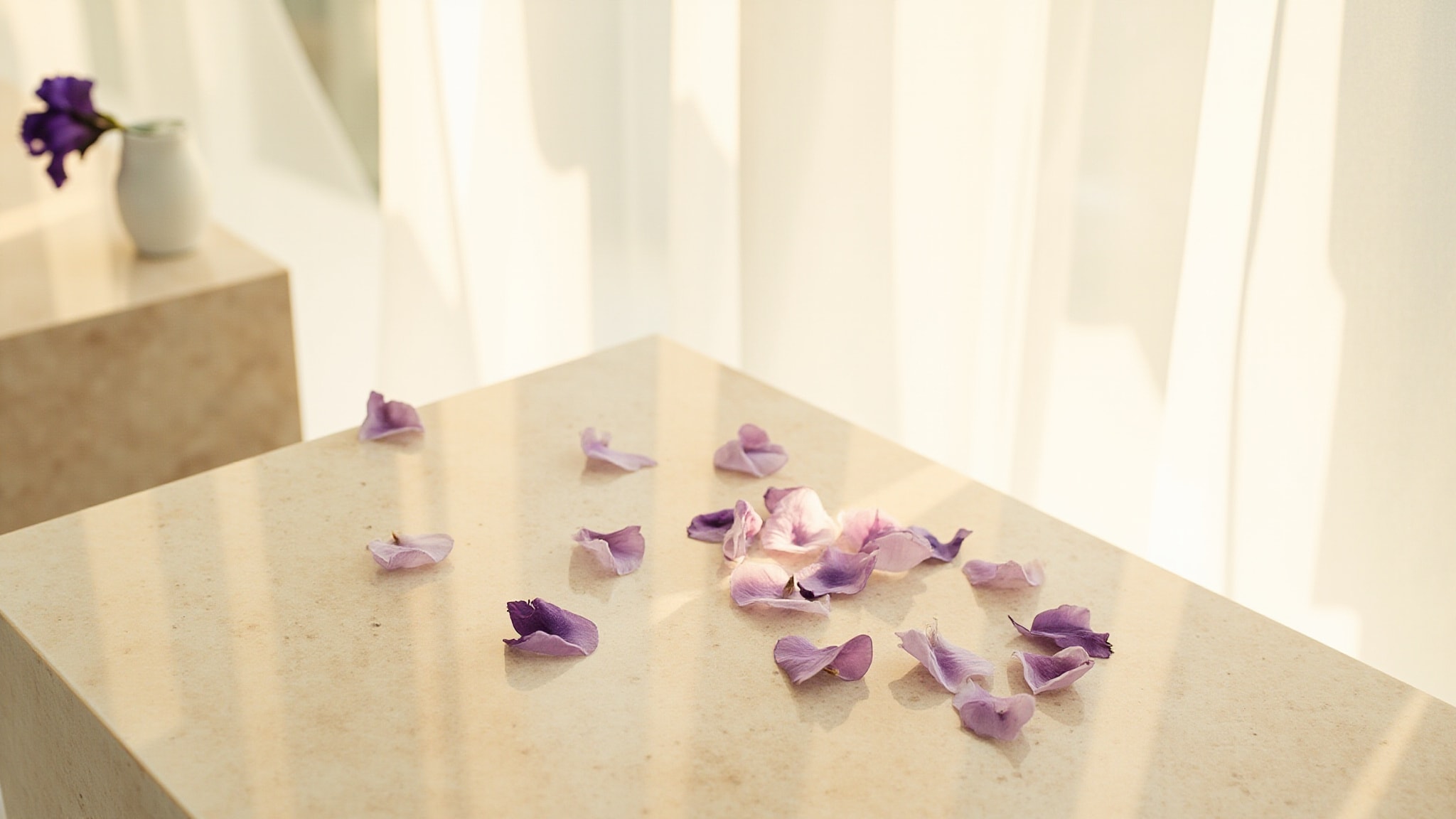
L'Eau en Blanc arrived in 2012, when Annick Ménardo took on a new composition for the Lolita Lempicka house. The brief was simple on paper: white violets, interpreted through the house's signature gourmand sensibility. But Ménardo being Ménardo, the execution got interesting. Instead of the anise-and-licorice signature that made the original infamous, she built around iris and violet leaf, cool, powdery, almost mineral, then let cherry and raspberry soften the edges without ever going sweet enough to feel like dessert. The name itself is the concept: water in white, a fragrance that reads like morning light through thin curtains.
What makes this composition interesting is the restraint Ménardo applies to Lolita Lempicka's typically bold gourmand instincts. The heart, violet, sour cherry, raspberry, licorice, dragée, sounds sugary on paper. In practice, the sour cherry keeps everything from cloying, the licorice adds a faint anise-like tension, and the dragée provides texture rather than sweetness. It's a heart that could have gone loud but chose to whisper instead. Then there's the vetiver in the base, doing something unexpected: woody, mineral, slightly bitter.
The evolution
The opening announces itself immediately: iris and violet leaf, cool and powdery, with a faint green edge that makes it feel alive rather than static. This phase lasts maybe twenty minutes before the heart takes over, violet flower blooming through cherry and raspberry, the dragée adding a subtle sugary crunch to the texture. The transition isn't dramatic. It's the slow turn of a page. By hour two, the base moves in. Heliotrope and tonka bean do the soft work, but it's the vetiver that makes the drydown worth noting: a quiet woody mineral note that keeps the whole thing from becoming pure powder. On most skin, this lasts four to six hours. Close to the skin after hour three, but still detectable. The next morning? A faint musk-and-vetiver trace on fabric. Not loud. Just there.
Cultural impact
L'Eau en Blanc occupies a specific niche: powdery-floral fragrances with a quiet gourmand heart, a style that invites rather than demands attention. It doesn't try to dominate a room. It whispers. Wearers who gravitate to it tend to be those who appreciate iris and violet as materials in their own right, not just as supporting players in fresher compositions. The sillage is subtle, allowing the fragrance to remain present without being overwhelming, and the longevity stretches comfortably through a workday, making it a practical choice for professional environments.