
The Story
Why it exists.
The beginning
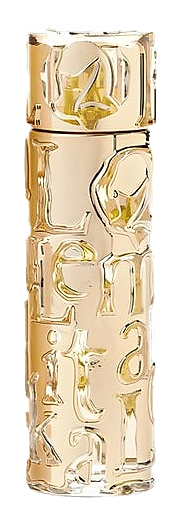
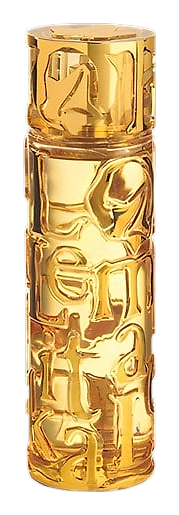
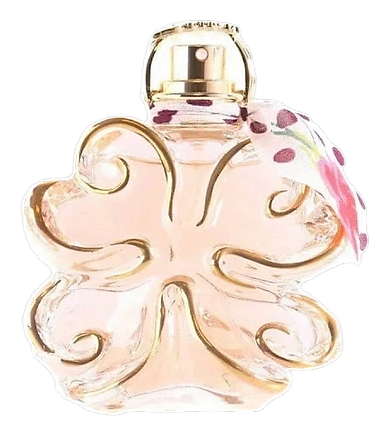
The original Elle L'aime arrived in 2013, a sweet-floral gourmand with lime, neroli, and bergamot at its top, coconut and ylang-ylang in the heart, grounded by myrrh, sandalwood, and vanilla. It was Christine Nagel's composition for a house known for whimsy with an edge. The summer edition, launched in 2015, took the same name and stripped it down to something more essential: blackcurrant, jasmine, wild rose, white woods, and musk. Not a flanker that follows the original's formula, a different creature entirely, made for skin rather than air.
Blackcurrant and jasmine as top notes is an unusual pairing. The fruit brings tartness, a slight edge; jasmine brings warmth and creaminess. They don't cancel each other out, they negotiate. Wild rose in the heart is the meeting point: neither the powdery rose of classic feminine fragrances nor the sharp rose of modern compositions, but something between, something that reads as natural rather than constructed. White woods and musk in the base, these are the notes that make it work as a body oil. Woods provide warmth without heaviness. Musk provides skin-warmth. Together they create a drydown that reads as "you, but better" rather than "someone else entirely."
The evolution
The opening is immediate, blackcurrant arrives bright, almost sharp, with jasmine hovering just behind. Thirty minutes in, the rose emerges and softens everything. The tartness doesn't disappear; it settles. By the second hour, the woody-musky base takes over, and the fragrance becomes intimate rather than present. This is when it becomes yours. As the afternoon moves toward evening, the composition reveals its quieter self. What remains is the musk and white woods: skin-warm, subtle, the kind of thing you catch on your wrist and remember you put it on that morning. The fragrance doesn't announce itself at this point; it simply stays with you, a quiet companion that has found its place against your skin.
Cultural impact
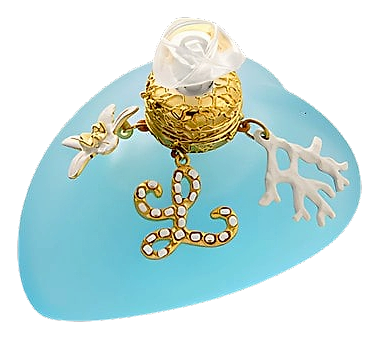
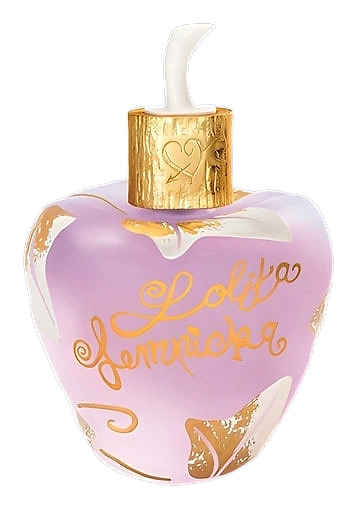
The summer edition of Elle L'aime found its audience in the space between the original's gourmand sweetness and those lighter fragrances that typically populate warm-weather collections. The composition chose intimacy over impact, a fragrance that works through proximity rather than projection. For a house built on whimsical storytelling and distinctive bottle silhouettes, this approach felt like restraint as statement: not every summer fragrance needs to announce itself across a room.
The House
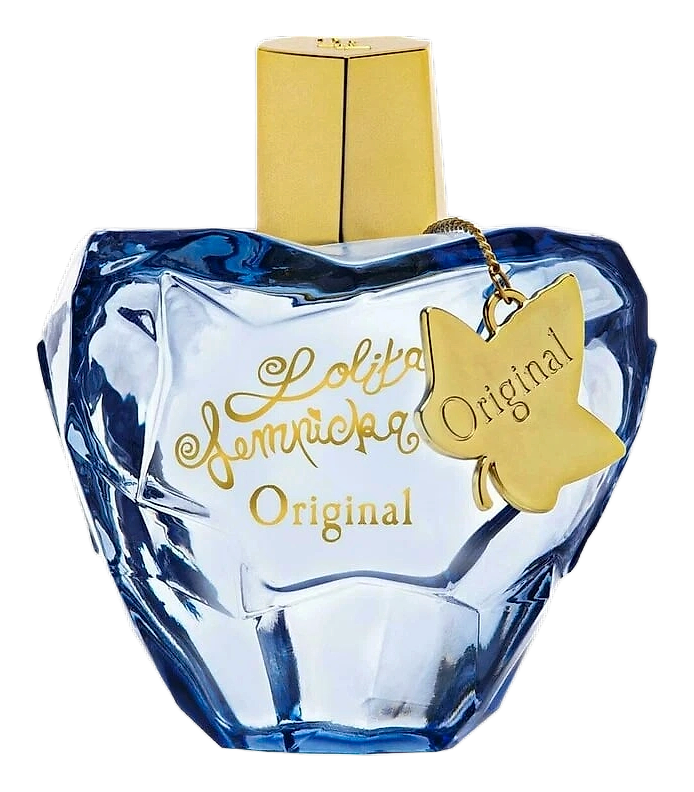
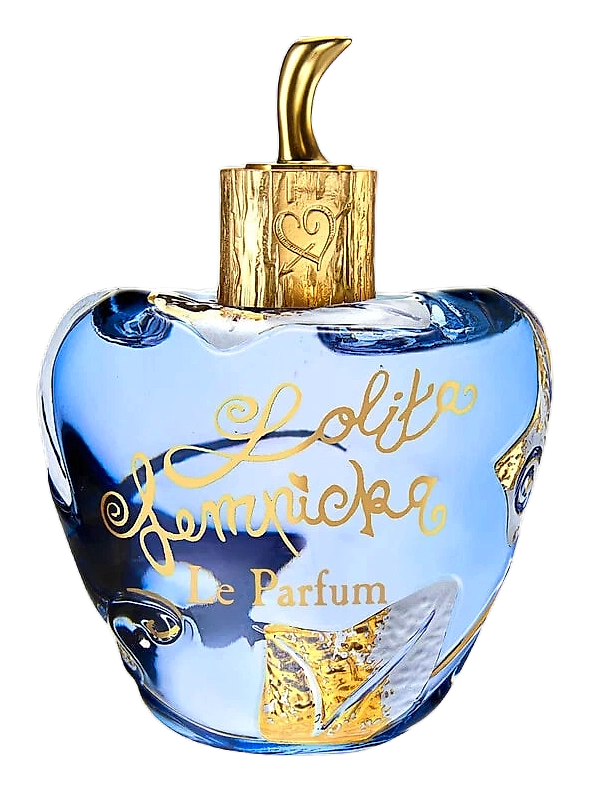
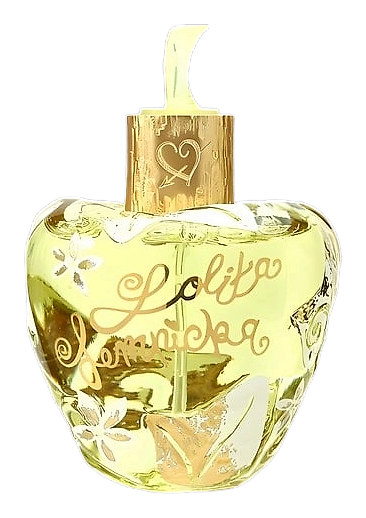
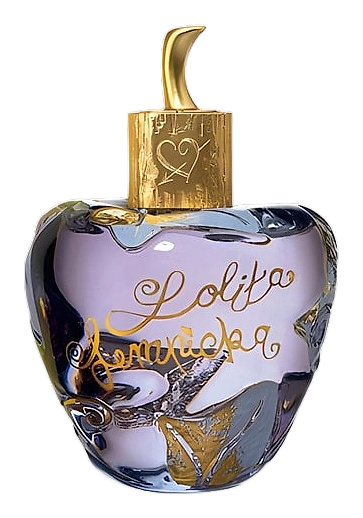
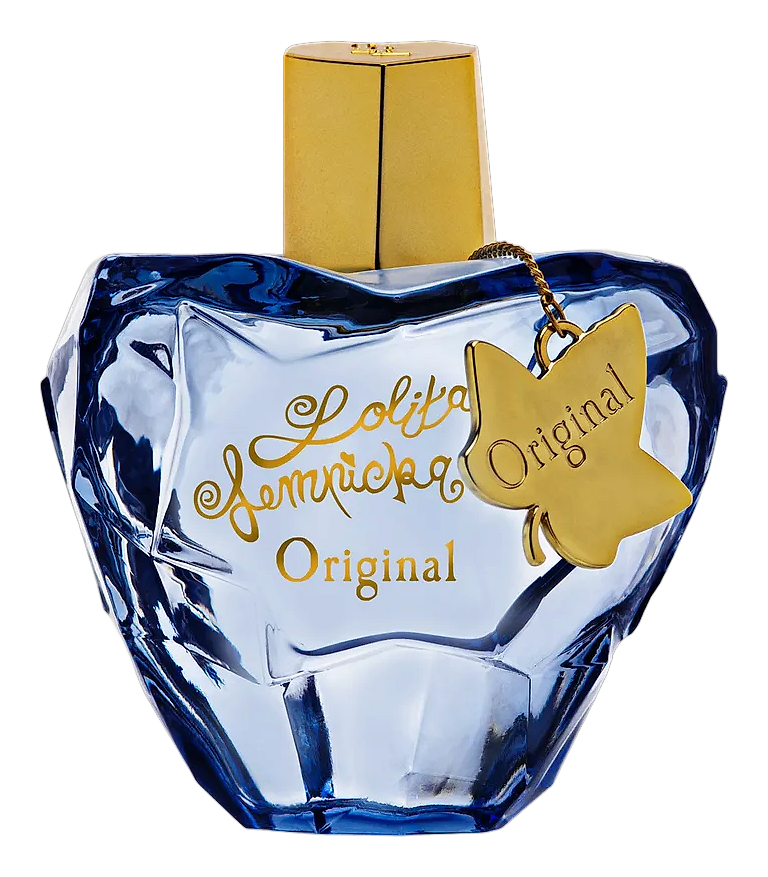
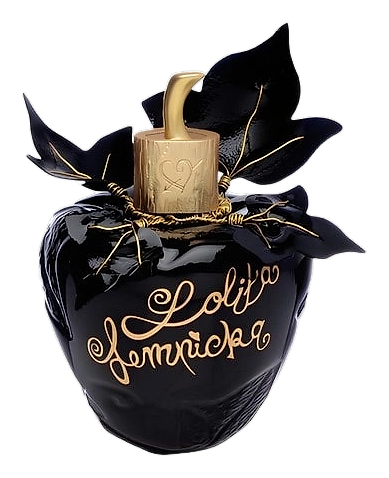
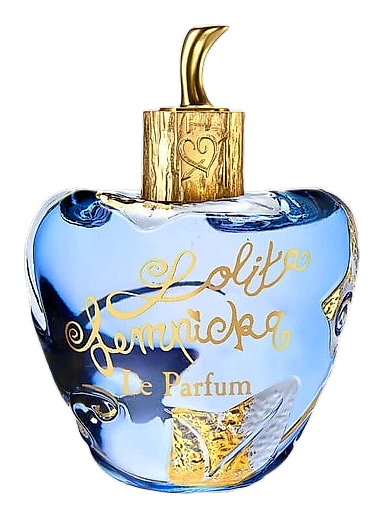
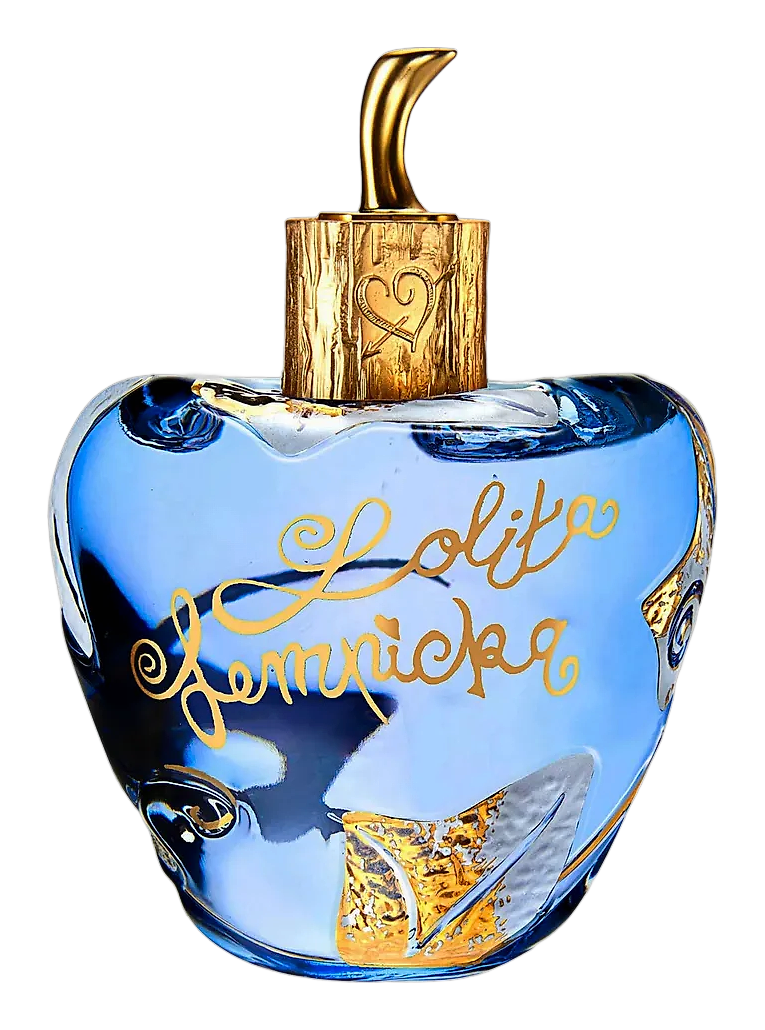
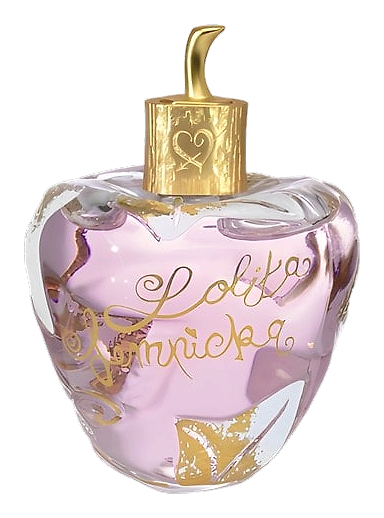
Lolita LempickaLolita Lempicka is a French fashion house that expanded into perfumery in 1997, founded by designer Josiane Maryse Pividal in Paris. The brand is named after Vladimir Nabokov's novel and Polish Art Deco painter Tamara de Lempicka, reflecting a romantic and literary sensibility that permeates both its fashion and fragrance collections. The house gained international recognition through its signature apple-shaped perfume bottle, introduced with the debut fragrance Lolita Lempicka. Known for whimsical, fairy-tale inspired aesthetics, the brand creates fragrances with a distinctive gourmand character, particularly anchored by notes of anise, licorice, and vanilla. The label has collaborated with multiple notable perfumers including Annick Menardo, Francis Kurkdjian, and Christine Nagel across its collection of over seventy perfumes.
The Creator
Christine NagelNagel occupies a distinctive space in contemporary perfumery, favoring sensual, textured compositions over the clean minimalism that dominated for decades. Her fragrances often feature unexpected contrasts: mineral and floral, salty and sweet, cool and warm.