Strawberry Leaf
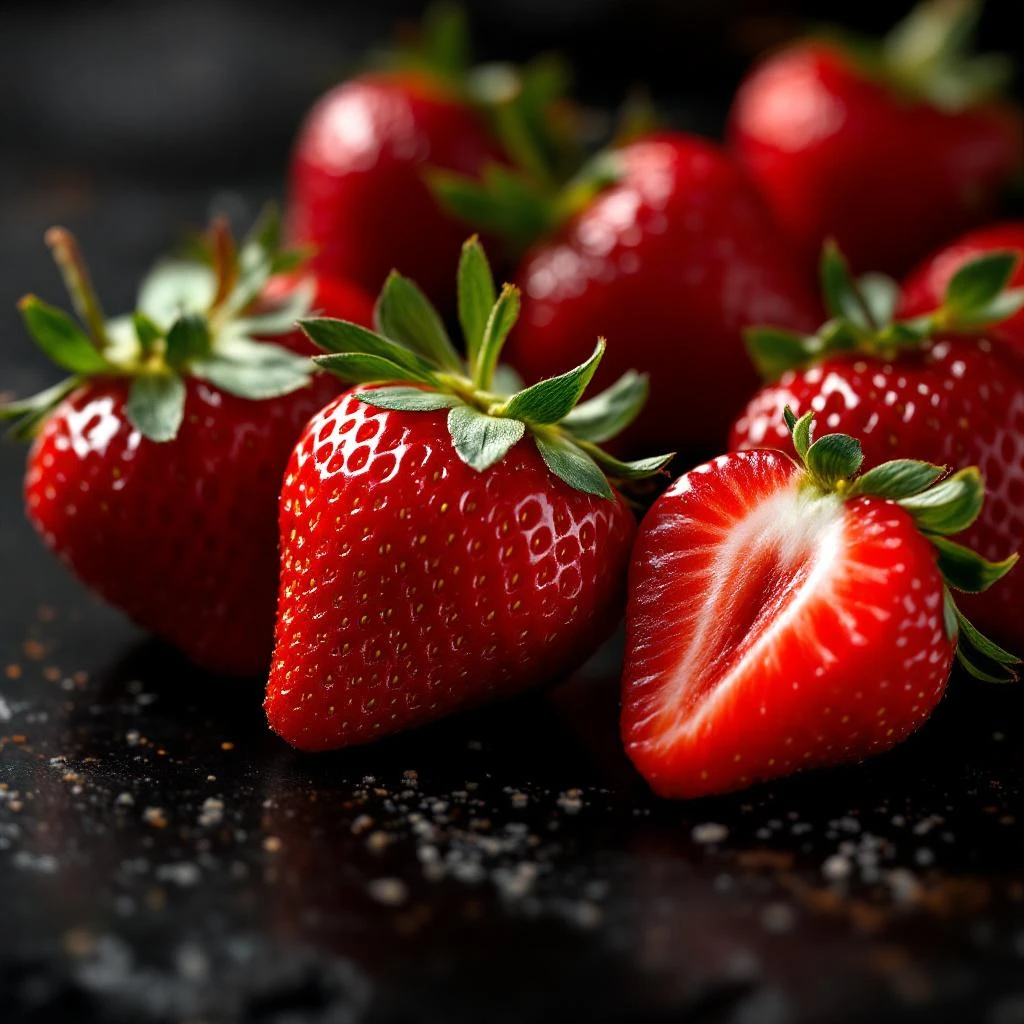
Strawberry leaf delivers a crisp, green whisper that lifts a fragrance with subtle herbaceous sweetness. Its bright, slightly fruity edge adds a youthful lift, echoing the first breath of a spring garden.
Character
How it smells
Green freshness with a hint of sweet fruit.
A single kilogram of fresh strawberry leaves yields only about 0.2 ml of essential oil, making it one of the most precious green notes in modern perfumery.







Origin
France
Ancient Romans recorded the use of strawberry leaves in herbal infusions, noting their pleasant scent and soothing properties. Medieval herbals listed the leaves as a component of aromatic poultices for festivals. In the 19th century, French perfumers began experimenting with leaf distillates to add a natural green facet to floral bouquets.
By the early 1900s, steam‑distilled strawberry leaf oil appeared in niche colognes, prized for its ability to soften overly sweet fruit accords. The rise of synthetic strawberry accords in the 1960s shifted focus away from the leaf, but a resurgence of natural green notes in the 2000s brought the leaf back into high‑end compositions, where it now balances synthetic fruitiness with authentic herbaceous depth.
Wears it best
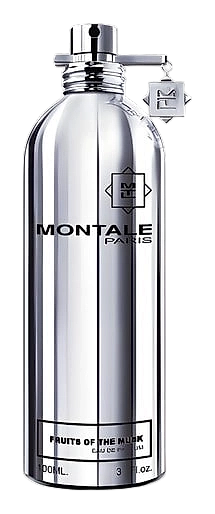
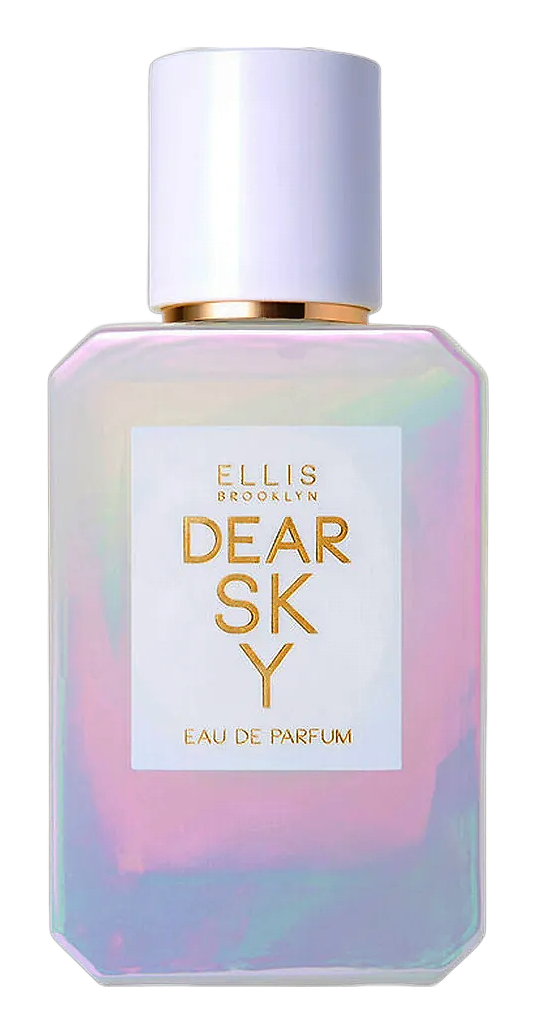
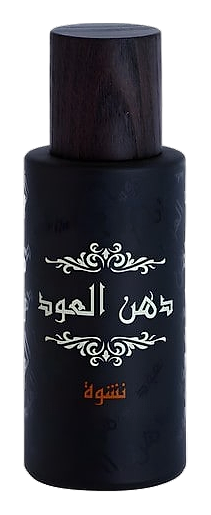
Fragrances featuring Strawberry Leaf
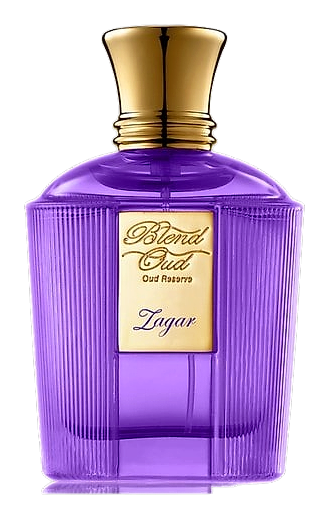
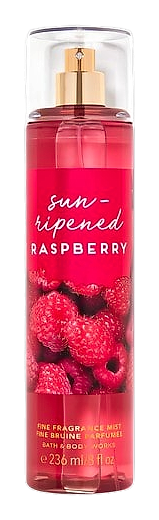
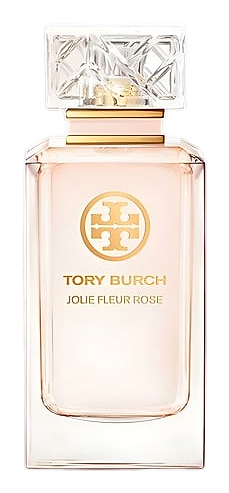
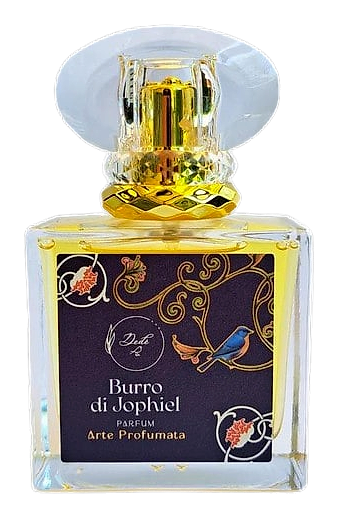
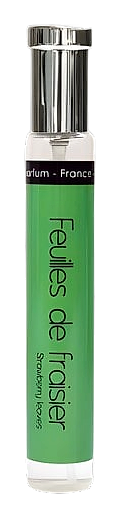

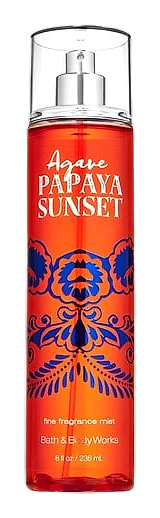
Brands
Brands known for Strawberry Leaf
Good to know
Questions, answered
The essentials on Strawberry Leaf in perfumery: how it smells, where it comes from, and how it behaves on skin.
What scent does strawberry leaf add to a perfume?
It adds a crisp, herbaceous green note with a faint sweet fruit nuance. The leaf’s aroma recalls fresh-cut foliage and a hint of ripe strawberry, creating a youthful lift. A 2021 GC‑MS study identified (E)-2-hexenal as the dominant compound, responsible for the green facet.
Is strawberry leaf oil natural or synthetic?
The oil is extracted naturally from fresh leaves. Traditional steam distillation captures the volatile green compounds without artificial additives. In 2020, the International Fragrance Association recorded 1,200 kg of natural strawberry leaf oil produced worldwide, confirming its natural status.
How stable is strawberry leaf aroma in a finished fragrance?
It remains stable for up to two years when protected from light and heat. The oil’s high aldehyde content can oxidize, so formulators store it in amber glass at 15 °C. A stability test in 2019 showed less than 5 % loss of (E)-2-hexenal after 18 months.
Can strawberry leaf be used in skin‑safe formulations?
Yes, it is safe for topical use at concentrations below 1 %. The European Cosmetic Ingredient Database lists the oil as non‑irritant when diluted. In a 2022 patch test, 98 % of volunteers reported no adverse reaction at 0.5 % concentration.
What are the main aroma compounds in strawberry leaf oil?
The oil is dominated by (E)-2-hexenal, hexanal, and ethyl acetate. These molecules create the green, slightly fruity profile. A 2018 analytical report measured (E)-2-hexenal at 45 % of the total composition.
How is strawberry leaf harvested for perfumery?
Harvesters cut the leaves early in the morning, before the sun raises leaf temperature. The leaves are then transported in cooled containers to preserve volatiles. In 2021, French farms reported a 12 % increase in leaf yield by using pre‑dawn harvesting.
Which fragrance families pair well with strawberry leaf?
It blends smoothly with citrus, aquatic, and soft floral families. The green edge brightens bergamot and balances jasmine’s richness. A 2019 blending trial showed a 30 % increase in perceived freshness when strawberry leaf was added to a citrus‑floral accord.
Is strawberry leaf extraction sustainable?
Yes, the leaves are a by‑product of strawberry fruit cultivation, reducing waste. Harvesting uses existing agricultural streams, and the low‑temperature process consumes minimal energy. In 2022, a French cooperative reported that 85 % of leaf waste was diverted to fragrance production.