The Story
Why it exists.
The beginning
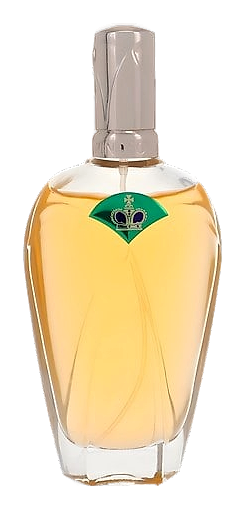
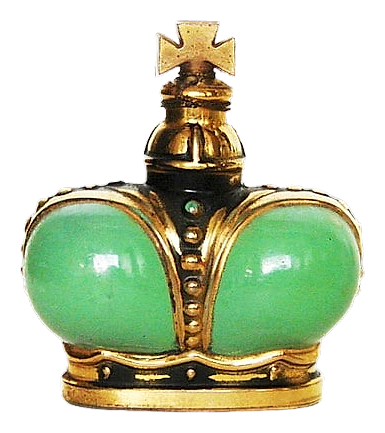
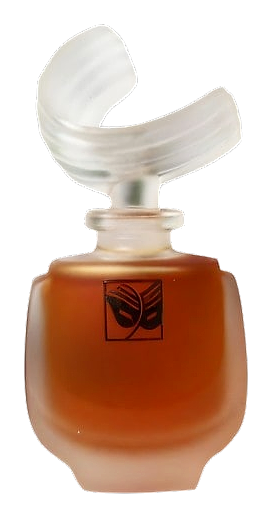
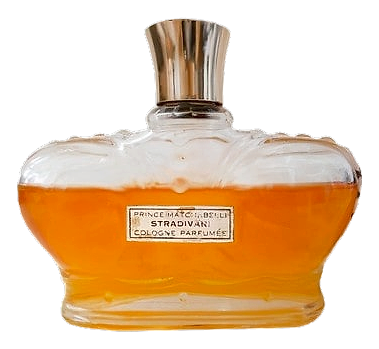
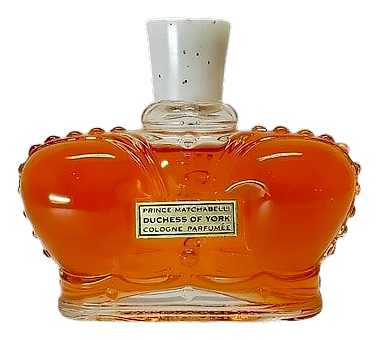
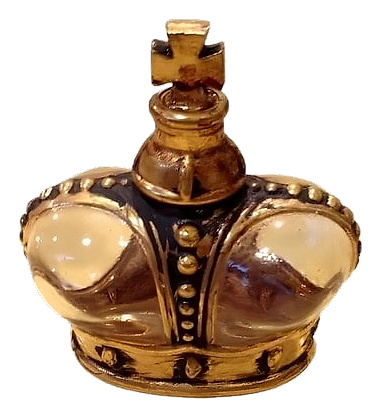
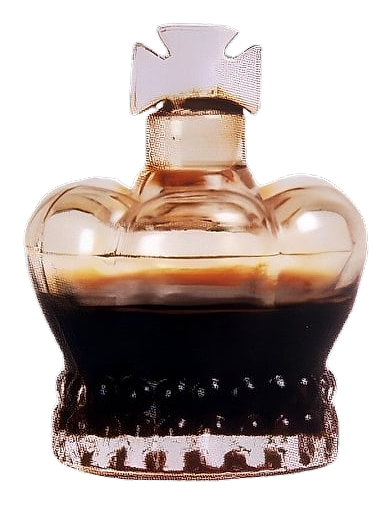
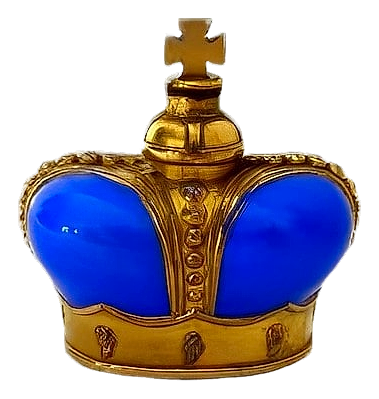
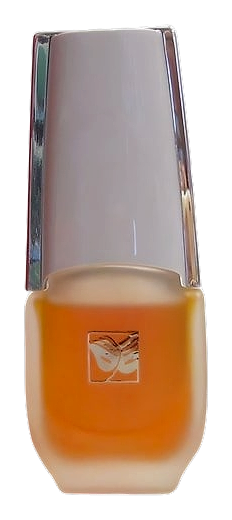
Masquerade arrived in 1970 from Prince Matchabelli, a house that had spent years shaping a distinctive approach to floral perfumery. The aldehyde-floral structure of Masquerade places it within a specific lineage of composed fragrances that prized balance and wearability. Aldehydes open the composition with their characteristic soapy lift, a brightness that catches light off the citrus and green notes before the heart even begins to unfold. Brazilian rosewood threads through the top and middle with a quiet woody sweetness, the kind of material that gives a fragrance warmth without tipping into heaviness. The florals arrive in measured waves rather than a single gesture, building toward a base of vanilla, benzoin, and moss anchored by sandalwood and vetiver.
What sets Masquerade apart is its full mid-range: jasmine, iris, ylang-ylang, carnation, rose, sandalwood, and vetiver stacked together rather than featured solo. This is a layered floral, not a single-flower showcase. The aldehydes give it that vintage fizz, the kind of sharp sparkle that modern compositions tend to soften or skip entirely. The base leans into civet and ambergris for an animalic undercurrent that feels deliberate, not accidental. It is the kind of composition that assumes its wearer knows what she likes and has the wardrobe to match.
The evolution
The opening is immediate. Aldehydes crack across bergamot, lemon, and green notes with a soapy brightness that feels almost edible, peach underneath giving it flesh. Brazilian rosewood adds a faint woody sweetness, the kind of warmth that reads as skin rather than sawdust. The aldehydes give the top a charged, effervescent quality, a sensation almost like the scent is moving on its own, shifting and catching the air differently with each breath. Ten minutes in, the aldehydes begin to step back and the florals lean forward. Jasmine arrives first, then iris powdering everything it touches. Carnation brings its clove-spiced edge, rose rounds it out, ylang-ylang deepens the sweetness. Sandalwood and vetiver set the floor under the bouquet, anchoring it so the heart never floats away.
Cultural impact
Masquerade arrived in 1970, a year that placed it among a wave of aldehyde-led florals that shaped the American fragrance landscape during that period. The inclusion of civet in the base reflects a willingness to work with materials that brought warmth and a slightly animal edge to an otherwise classical floral structure, a choice that gives the fragrance its particular depth. Masquerade fits within a broader American aldehyde tradition that valued composed, wearable florals with enough complexity to hold attention through a full day of wear.