The Story
Why it exists.
The beginning
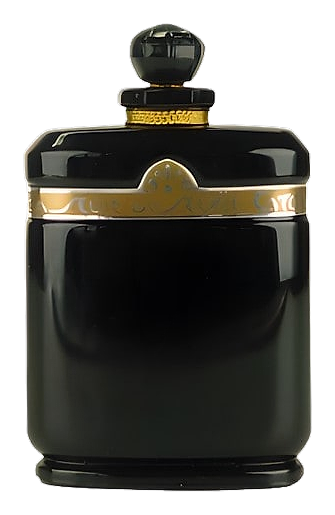
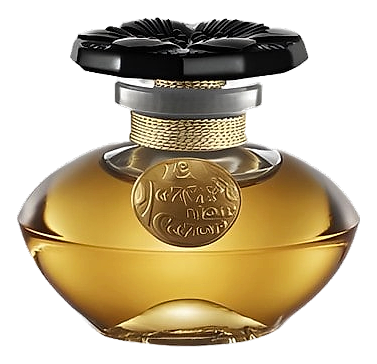
Narcisse Noir arrived in 1911 from the workroom of Ernest Daltroff, a self-taught perfumer who built his reputation on raw nerve rather than classical training. Caron had only been a Parisian address for seven years at that point, but Daltroff and his creative partner Félicie Wanpouille were already making a habit of provocation. The black narcissus, a flower associated in the language of flowers with vanity, self-absorption, and a kind of narcotic beauty, was the entire thesis. This wasn't a white-floral for the drawing room. It was a portrait of obsession, dressed in orange blossom and shadow.
Daltroff's stroke was layering multiple orange blossom extractions over a heart of narcissus, then anchoring everything with civet, a glandular note from the African civet that smells unmistakably of warm animal skin. The tension between innocent florals and base-notes that read as fur and flesh is the entire architecture. It's also what made the fragrance notorious. In 1911, the combination felt almost transgressive. A century later, it still does. The sandalwood and musk at the base don't soften the civet's intent. They frame it.
The evolution
The first ten minutes are almost too bright. Lemon, bergamot, mandarin, and petitgrain hit in a clean citrus rush that could belong to a cologne. Then the white florals arrive, and the whole thing tilts. Orange blossom lands first, indolic and thick, followed by narcissus with its green, almost hay-like sweetness. The jasmine underneath keeps the heart dense, powdery, and warm. After about ninety minutes, the civet surfaces. There's no polite way to describe it. It smells like skin. Not freshly washed skin. Skin after hours, after effort, after closeness. Sandalwood arrives next, creamy and grounding, and the musk underneath adds a furry softness that smooths nothing out. Eight hours later, on fabric, the drydown is still narcotic, still warm, still faintly animal. The florals are gone. What's left is musk, sandalwood, and the ghost of something that was never quite innocent to begin with.
Cultural impact
Narcisse Noir became one of the early 20th century's most talked-about white florals, worn by stage performers and artists who wanted something with edge. Gloria Swanson reportedly insisted the set of Sunset Boulevard be scented with it. Serge Diaghilev's dancers wore it during performances. Dita Von Teese counts herself among its current devotees. Over a century after its 1911 launch, it remains a reference point for animalic white florals, the kind of fragrance people who know perfume know by name, even if they've never worn it.