The Story
Why it exists.
The beginning
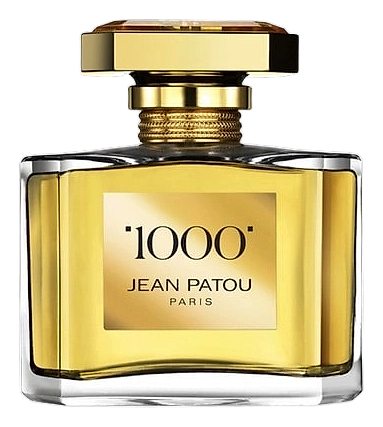
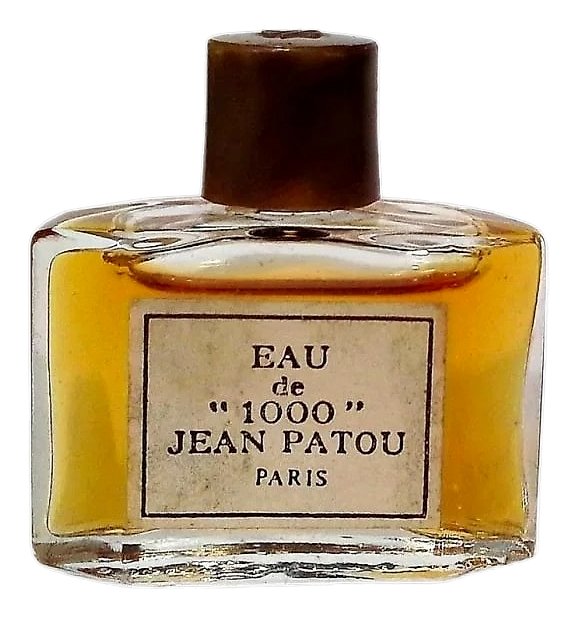
1000 arrived in 1972, well into Jean Patou's reign as a Parisian fashion house with a serious perfume practice. By the early seventies, the brand had established a reputation built on opulent florals and a couture sensibility, and its in-house perfumer Jean Kerléo was shaping a new direction. 1000 was his answer to a question the house hadn't quite asked yet: what does a Patou composition look like when it wants to move, not just arrive? The name itself suggests excess and abundance, yet the composition is anything but heavy. It is a green chypre dressed in florals, a structure built around violet leaf, osmanthus, and a mossy base that feels more architectural than dense.
The genius lies in the restraint. Osmanthus and violet leaf open with that apricot-edged, slightly bitter green snap that signals a serious chypre, not a confection. The heart is no shrinking violet, either, geranium and jasmine and rose working together like a conversation rather than a solo. But the base is where 1000 stakes its claim. Oakmoss, sandalwood, and patchouli create a damp, earthy foundation that grounds the brighter florals above. The oakmoss in particular gives the composition its quiet authority, a depth that feels rooted rather than decorative.
The evolution
The first ten minutes are a green cocktail, violet leaf and bergamot cutting sharp, with osmanthus lending its soft apricot hush just beneath. The violet leaf gives an almost metallic, cucumber-cool edge that prickles the senses, while bergamot lifts everything with a clean citrus brightness that prevents the green from turning too austere. Osmanthus threads underneath, offering its leathery apricot sweetness like a counter-melody to the sharper greens above. Then the florals arrive, geranium first, bringing that rosy, slightly peppery edge that transitions the composition from sharp to settled. Jasmine and lily of the valley creep in alongside rose, and the whole thing warms up, gaining body without losing its green architecture.
Cultural impact
1000 sits in a particular niche: floral chypre lovers who want something composed with the genre's classic architecture without resorting to vintage bottles. It is a fragrance that wears close, rewards attention, and asks to be experienced over time rather than in a single spray. The scent rewards wearing rather than commenting on, settling into a quiet presence that becomes more itself the longer it sits on skin. With production apparently discontinued, it occupies a particular position for those who encounter it, a composition that feels complete in itself, neither chasing trends nor reacting against them.
The House
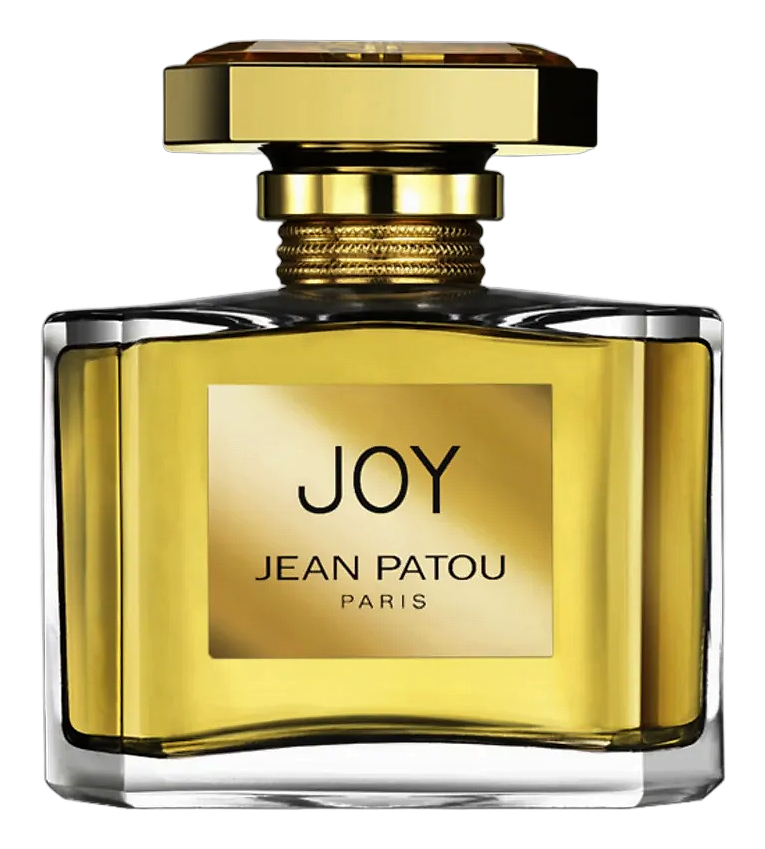
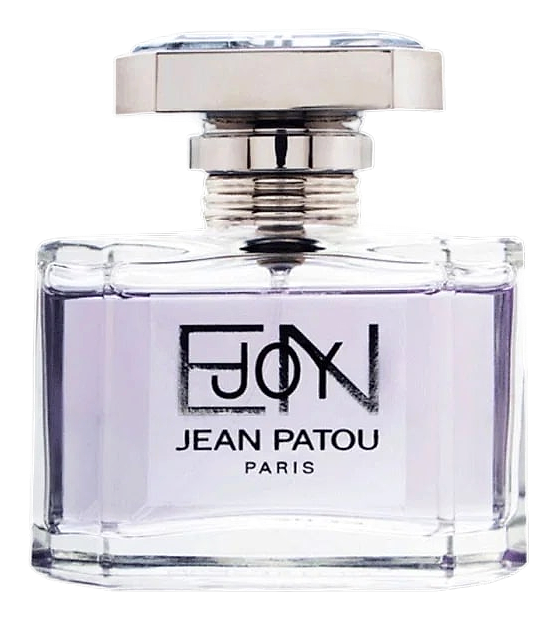
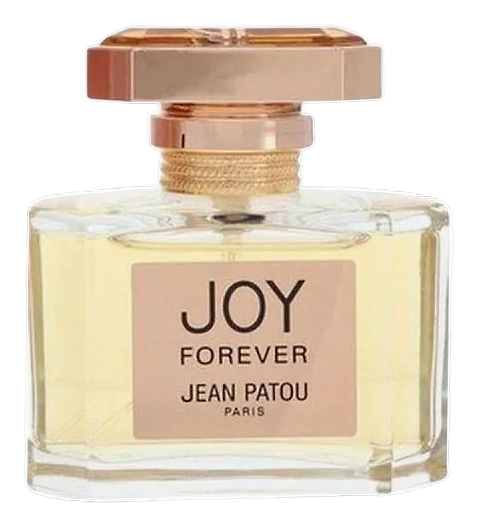
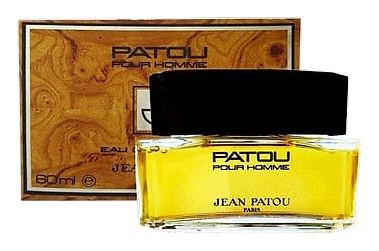
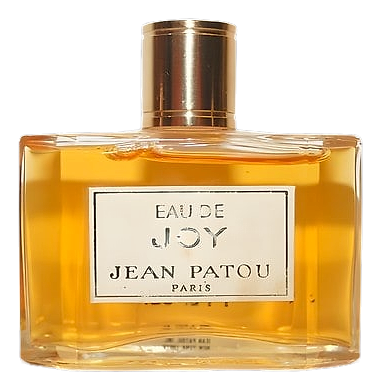
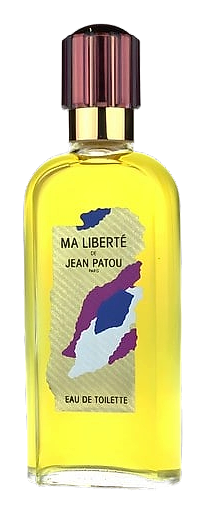
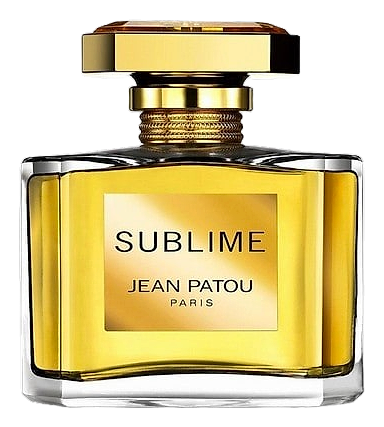
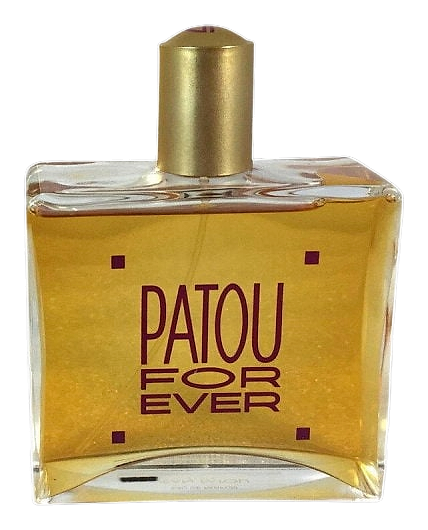
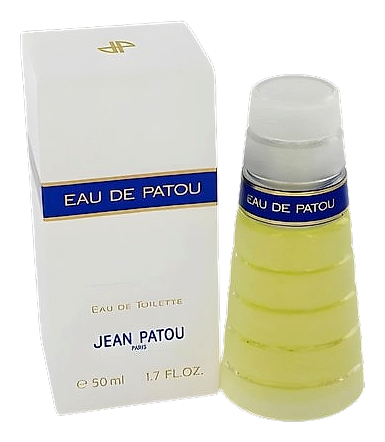
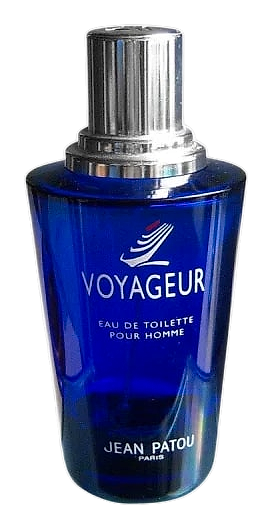
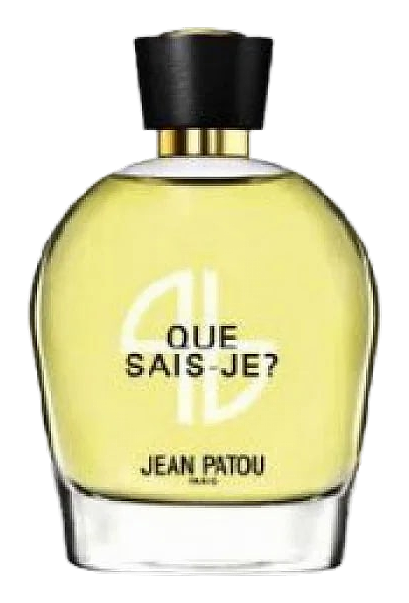
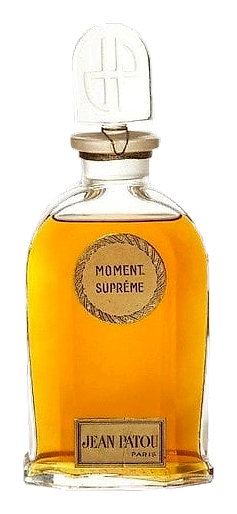
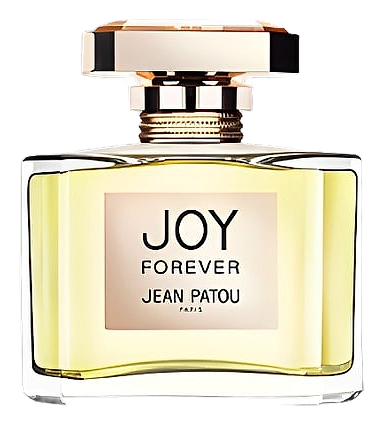
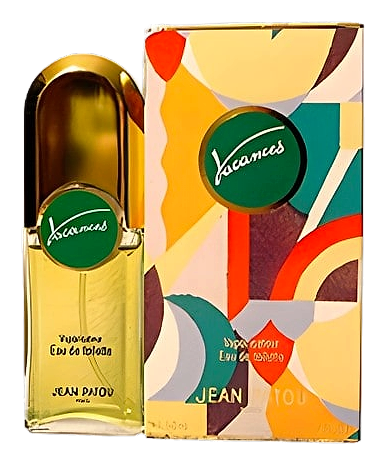
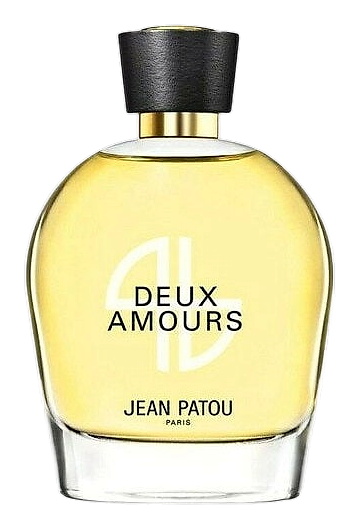
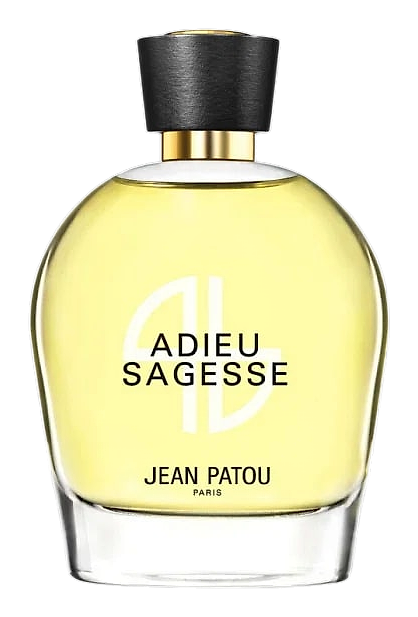
Jean PatouJean Patou was a French couturier who built a perfume house from his couture practice in Paris. Born in Normandy in 1887, he worked in his family's tannery business before establishing his fashion house in Paris in 1914. His approach centered on sporty, modern elegance, and he was among the first to introduce suntan preparations when he recognized his clients' newfound enthusiasm for sun and active summer leisure. His perfume collection launched in 1925 with three fragrances created by perfumer Henri Alméricas. The house produced signature scents across decades, from the jasmine-rich Joy (1932) to the sporty Lacoste (1967) and the effervescent Eau de Patou (1976). In 2019, LVMH acquired the house, and production of Patou fragrances was discontinued, leaving collectors and fragrance enthusiasts seeking remaining bottles.
The Creator
Jean KerléoKerléo's signature lay in rich, structured compositions with a pronounced taste for opulence. He favored generous use of natural materials, particularly rose and jasmine, building fragrances that unfolded in distinct waves across the skin.