
The Story
Why it exists.
The beginning
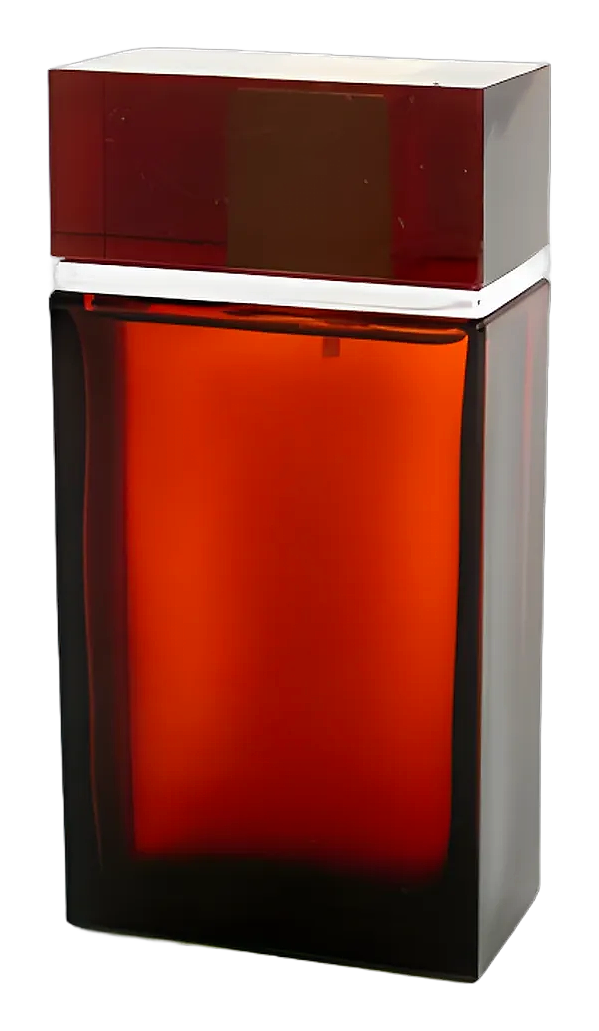
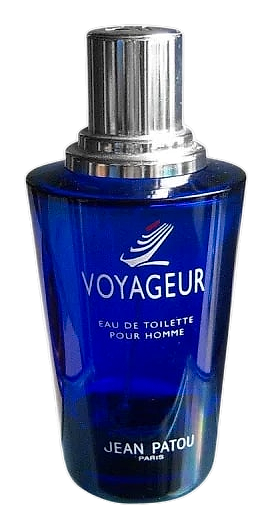
Voyageur arrived in 1995, designed by Jean Kerléo. The citrus top notes handle the departure with a bright, sharp character that announces itself clearly. The herbal heart carries through the middle hours, with sage and lavender arriving together in a cleaner, almost soapy precision. The mossy base provides grounding throughout the wear, giving the fragrance substance that extends beyond the initial burst. The composition feels balanced between freshness and depth, the citrus opening giving way to a more complex herbal presence without losing its essential character.
What makes Voyageur interesting is the oakmoss. In 1995, the fragrance world was deep into aquatic territory, the watery, clean, almost anonymous scents that smelled like nothing and everything at once. The oakmoss anchors the composition in a way that feels more substantial than the typical aquatic offering of the era. It provides a mossy, earthy quality that grounds the brightness without weighing it down. The fragrance avoids the entirely abstract approach, instead building something with a clearer sense of its own identity.
The evolution
Voyageur opens with an almost aldehyde-like grapefruit, sharp, bright, a little synthetic in the best way. It announces itself clearly, then cedes the stage to the herbal heart within minutes. Sage and lavender arrive together, cleaner than expected, almost soapy in their precision. The oakmoss doesn't wait its turn, it appears early, co-starring with the lavender throughout the heart phase. By the time you reach the drydown, the cedar has emerged as the backbone, holding everything together without calling attention to itself. The sillage stays moderate throughout. The drydown is quiet, close, the scent of someone who didn't need to announce themselves.
Cultural impact
Voyageur sits in an interesting pocket of 1990s fragrance history. The era was dominated by aquatics, Issey Miyake's L'Eau d'Issey had defined the category, but Voyageur offered something different: the freshness of an aquatic with the grounding of a woody. Reviewers noted it felt 'done smoother' than its contemporaries. The oakmoss base, unusual for the genre, gave it a specificity that many aquatics lacked. The fragrance occupies a space between categories, neither purely aquatic nor traditionally woody, but something that borrows from both territories.